Author name: Dheeraj

fox-nuts-vs-protein-snacks
Food / Recipe Topics

Fox Nuts vs Protein Snacks: Can Makhana (Fox Nuts) Truly Replace Them?

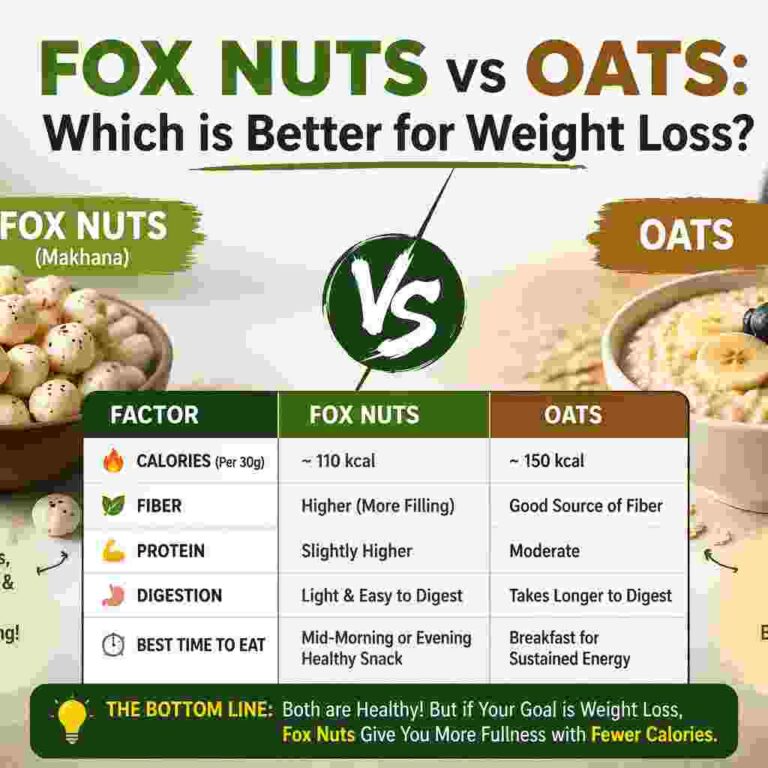
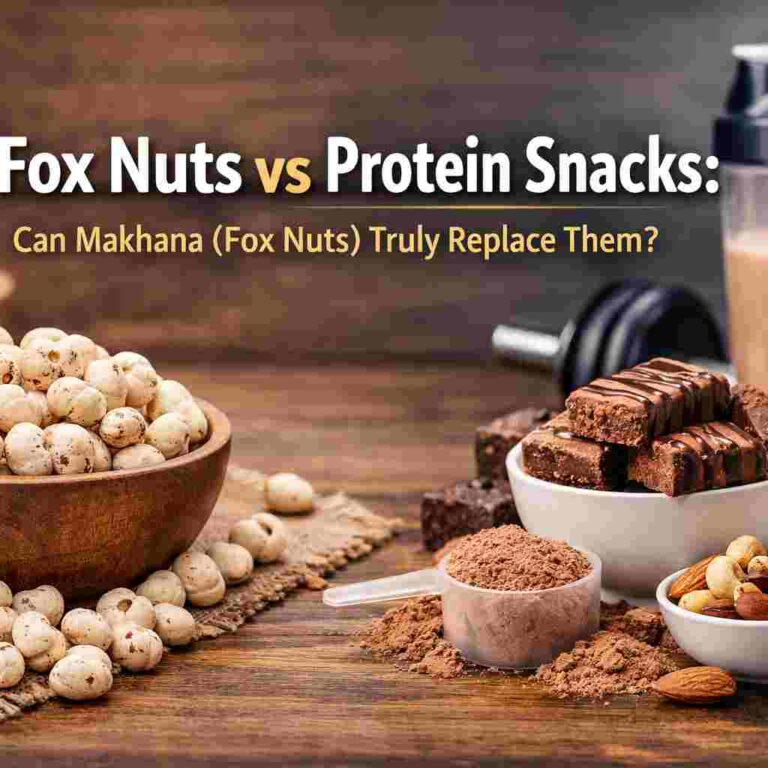
nutritional comparisons, amino acid profile, and health insights with fox nuts versus common protein snacks. Introduction: A crunchy new snack craze has swept health circles: fox nuts (also known as makhana or lotus seeds). Puffed like popcorn, these ivory-colored seeds are touted as a “desi superfood” and even a protein-rich snack alternative. But can fox nuts really replace classic protein snacks like peanuts, edamame, or yogurt? In this deep dive, we compare their nutrition, protein quality, and health perks. You’ll learn what fox nuts bring to the table (literally) – and where they fall short – so you can snack smarter. Figure: Roasted fox nuts (makhana) – a popular low-calorie snack with a light, popcorn-like crunch. Fox nuts are rich in carbs and fiber, with modest protein content. A 32g cup (~1/3 cup) provides about 106 calories and 4.9g protein. This works out to roughly 15–16g protein per 100g (dry weight). By comparison, a 100g serving of peanuts has ~567 calories and 25.8g protein, and edamame (young soybeans) has ~11–12g protein per 100g when boiled. In short, fox nuts are lower in protein and higher in carbohydrates than most nuts or legumes. To visualize the difference, consider this quick macro comparison (all values per 100g, approximate): Snack Protein (g) Fat (g) Carbs (g) Fiber (g) Glycemic Index (GI) Fox nuts (makhana) 9.7–15.0 0.1–0.5 75–80 ~14.5 ~37 (low) Peanuts 25.8 49.2 16.1 8.5 ~14 (very low) Edamame (boiled soybeans) 11–12 5.2 13.8 8.0 ~15 (very low) Roasted Chickpeas (garbanzo beans) ~19 ~6 ~61 ~12 ~30 Protein Quality: Quantity isn’t the only measure – protein quality matters too. Fox nuts contain all essential amino acids (EAAs) and have a remarkably high Essential Amino Acid Index (EAAI) of ~89–93%. In fact, despite the low protein percentage, one study noted fox nuts are “superior to most plant- and animal-based diets” by this measure. Their proteins are especially rich in amino acids like leucine, isoleucine, methionine, cysteine, arginine, and glutamine. These include the “anti-aging” amino acids (glutamine, cystine, methionine, arginine) that support skin and muscle health. However, not all EAAs are equally abundant. Like most plant foods, fox nuts are incomplete proteins – they’re relatively low in certain EAAs (e.g. tryptophan and lysine) compared to animal or soy protein. In contrast, edamame (soy) is a complete protein, providing all 9 EAAs in good amounts. Peanuts, while incomplete (low in methionine/lysine), still offer more total protein. In practical terms, if you rely only on makhana for protein, you’d need to eat large amounts or pair them with other protein sources (e.g. beans, dairy, or meat) to meet your amino acid needs. Health & Satiety Benefits: Beyond macronutrients, fox nuts bring other perks. They are low-GI (around 37), meaning their carbs release slowly. This is better for blood sugar control than higher-GI snacks (popcorn, chips, etc.). The high fiber and bulk of makhana can promote fullness: one nutrition guide noted that makhana’s low calories (≈350 kcal/100g) combined with ~14.5g fiber support satiety and weight control. In practice, a 1–2 cup serving (roughly 30–60g) is a filling snack for only 80–160 calories. They also contain minerals like calcium, magnesium, and potassium, and unique antioxidants (kaempferol, gallic and ellagic acids) that may have anti-inflammatory effects. In short, fox nuts shine as a low-calorie, nutrient-dense munchy – it’s why fitness influencers and dietitians tout them for weight-loss or “macro-friendly” snacking. Where Fox Nuts Fall Short: Despite these benefits, fox nuts aren’t magic protein bombs. Compared to classic protein snacks, their protein is modest. If building muscle or getting a high-protein snack, peanuts (25–26g/100g) or edamame (≈18g per cup) offer much more. For example, you’d need roughly 4 cups of popped makhana to match the protein in one cup of boiled edamame. In terms of amino acids, edamame (a soy bean) provides a complete EAA profile, while makhana does not. Key Takeaways: Snack-Smart Tip: Try a homemade trail mix: combine roasted makhana with roasted chickpeas, almonds, and a sprinkle of salt and spices. You’ll get a crunch plus a protein boost. Or stir some fox nuts into a yogurt bowl or curry (as in “matar-makhana”) to up both protein and texture. What do you think? Have you snacked on makhana? Share your favorite makhana snack recipes or your take on using fox nuts in the comments! Sign up for more healthy eating tips and join the conversation. Sources: Nutritional data and health claims are drawn from recent studies and nutrition databases, including FoodData Central and peer-reviewed journals. For example, the protein and calorie figures above come from Healthline/USDA data and a Times of India nutrition comparison, while amino acid and GI insights are based on published research. Each statement above is backed by these authoritative sources.

makhana-kidney-health-benefits
Health

Is Makhana Good for Kidney Health? Unpacking the Facts

Ever grabbed a handful of makhana (fox nuts) and wondered, “Is this really safe for my kidneys?” These crunchy lotus seeds have earned a reputation as a trendy super-snack – low in fat, high in protein, and packed with antioxidants. Fitness buffs and health bloggers love them for weight loss and stable blood sugar. But if you have kidney concerns, you might pause before indulging. Why? Because, as experts warn, makhana’s high potassium content can pose a hidden risk for renal health. In this deep dive, we’ll look at what makhana really contains, how it stacks up against other snacks, and whether it’s a friend or foe for your kidneys. Makhana (fox nuts)  Also known as lotus seeds or fox nuts, makhana are puffy snacks harvested from aquatic plants in Asia. They’re light and crunchy, often roasted with spices. Nutrition-wise, makhana are indeed notable – they’re about 84–85% carbs and ~9–10% protein by weight, with negligible fat. In fact, the Times of India calls makhana a “superfood” precisely because it “boasts high protein and low fat”. Traditional systems (Ayurveda and Chinese medicine) even used makhana in remedies for diarrhea, leucorrhea, and yes – kidney ailments. This suggests some belief in kidney benefits. Modern analyses highlight that makhana is rich in minerals: a cup (about 32 g) delivers roughly 438 mg potassium and 200 mg phosphorus. It also provides modest amounts of magnesium, iron, and small calcium. In short, makhana is nutrient-dense – but not without its quirks. On the plus side, makhana contains antioxidants (like gallic acid, epicatechin and others) which fight inflammation, and its low glycemic index makes it appealing for blood sugar control. However, those same nutrients – potassium and phosphorus – are exactly what kidney patients often must limit. Imagine your kidneys as filters: too much potassium is like pouring extra weight on the filter, potentially causing trouble. Guidelines for chronic kidney disease (CKD) typically cap daily potassium at around 2000 mg or less. A 32 g serving of makhana already supplies ~438 mg (so ~1,300 mg per 100 g). By comparison, a small 1‑ounce (28 g) serving of air-popped popcorn has only about 85 mg potassium. In other words, a cup of makhana packs roughly five times the potassium of the same-weight popcorn. This matters because too much potassium can overload failing kidneys and lead to hyperkalemia, a dangerous condition that can disrupt heart rhythm. The concerns aren’t just theoretical. Nutritionists explicitly caution that for people with CKD or on low-potassium diets, makhana should be eaten only in very small amounts, if at all. A Times of India health article quotes a dietitian saying, “If you have kidney issues or CKD and you are on a low potassium diet, then you should definitely avoid eating makhanas totally”. In plain terms: for kidney patients, even a few servings of makhana could contribute dangerously to potassium buildup. Likewise, Moneycontrol (a health news site) notes that makhana’s “notable potassium content” means it’s “contraindicated for individuals on low-potassium diets, particularly those with chronic kidney disease”. Beyond potassium, there’s another kidney angle: oxalates and stones. Makhana naturally contains oxalates – compounds that can combine with calcium to form kidney stones. For people prone to calcium-oxalate stones, every oxalate-rich snack is another risk factor. Doctors warn that “excessive oxalate intake may reduce calcium absorption and heighten stone formation,” and they link high-oxalate diets to more kidney stones. In other words, if you’ve ever had kidney stones, makhana could raise your risk. (This isn’t unique to makhana – many nuts and seeds have oxalates – but the takeaway is clear: moderation is key.) Fresh, low-potassium snacks like carrot sticks, cucumber slices, and berries offer a colorful, kidney-friendly alternative to higher-potassium treats. To make it concrete, here’s a quick comparison of makhana versus other common snacks on minerals important to kidney health: Snack Potassium (mg/100 g) Phosphorus (mg/100 g) Makhana (lotus seeds) ~1368  ~625  Air-popped popcorn ~300  ~300  Apple (raw, peeled) ~107  ~11  Carrot sticks (raw) ~235  ~33  Cucumber (raw, peeled) ~140  ~21  Table: Potassium and phosphorus per 100 g of various snacks. Makhana is much higher in both minerals than typical fruits or vegetables. The table highlights the point: a standard serving of makhana (100 g is a lot – usually you’d eat 30 g or less) carries far more potassium and phosphorus than the same weight of apple, carrot or popcorn. For kidney health, high phosphorus is also a worry (since failing kidneys struggle to excrete phosphorus too). By comparison, those fruits/veggies are kidney-friendly choices. Even popcorn, which feels like an innocent snack, has much lower K and P. So, is makhana good for kidney health? For otherwise healthy people, it’s a nutritious snack with benefits. But for those with kidney disease or stone-formers, it’s a red flag. If your kidneys are weakened, dietitians advise extreme caution. Some might still fit small portions into a controlled diet with doctor guidance (and careful tracking of total potassium/potassium intake). Others – especially anyone on dialysis or with advanced CKD – are usually told to skip makhana altogether. Interestingly, there is emerging research on makhana’s potential kidney benefits – but in a very different context. For example, a 2023 study in Foods gave diabetic mice a concentrated extract of germinated Euryale ferox (the plant that makes makhana). The treated mice showed improved kidney function markers: their blood urea nitrogen and creatinine levels (key kidney tests) dropped, and kidney tissue looked healthier under the microscope. The authors believe antioxidants and other bioactives in germinated makhana helped reduce diabetic kidney damage. This sounds promising, but caution: it’s an animal study using extracts, not eating popped makhana. It suggests the plant has beneficial compounds, but doesn’t directly say a bowl of makhana will heal your kidneys. In practice, nutrition matters. Key Takeaways: Makhana packs a nutritional punch – but also a potassium punch. If you’re enjoying makhana as a wholesome snack, be aware that kidneys pay the price if you overdo it. Health experts remind us that even the healthiest snack can be harmful if it’s not right for your body. If you have CKD or other kidney issues, talk to a renal dietitian before adding trendy foods like makhana. They might suggest limiting portion size (e.g. a tablespoon or two, counting it in your daily potassium budget) or switching to lower-potassium alternatives some days. Pairing

best-way-to-eat-makhana-for-weight-loss
Fitnes

Best Way to Eat Makhana (Fox Nuts) for Weight Loss

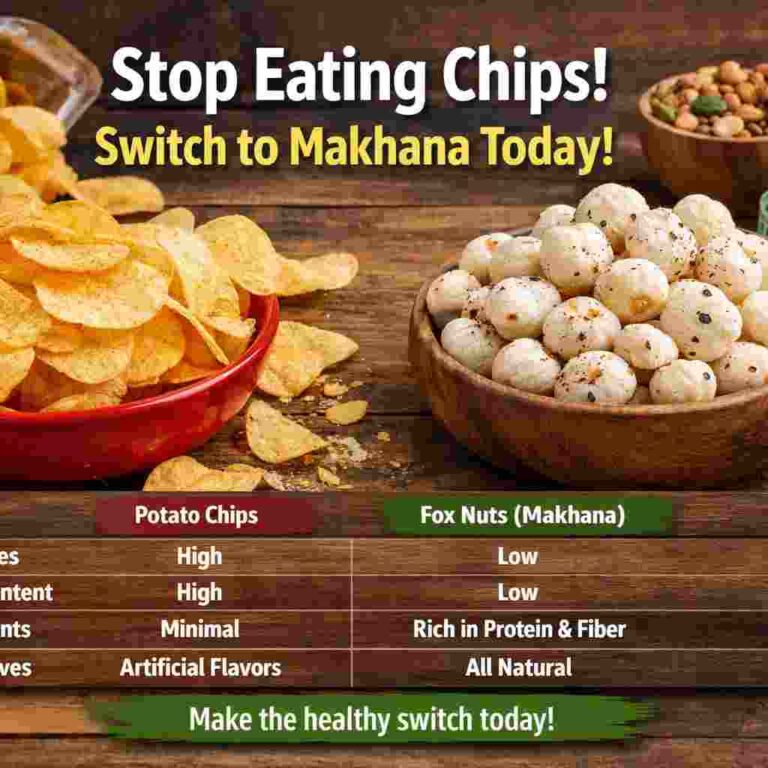
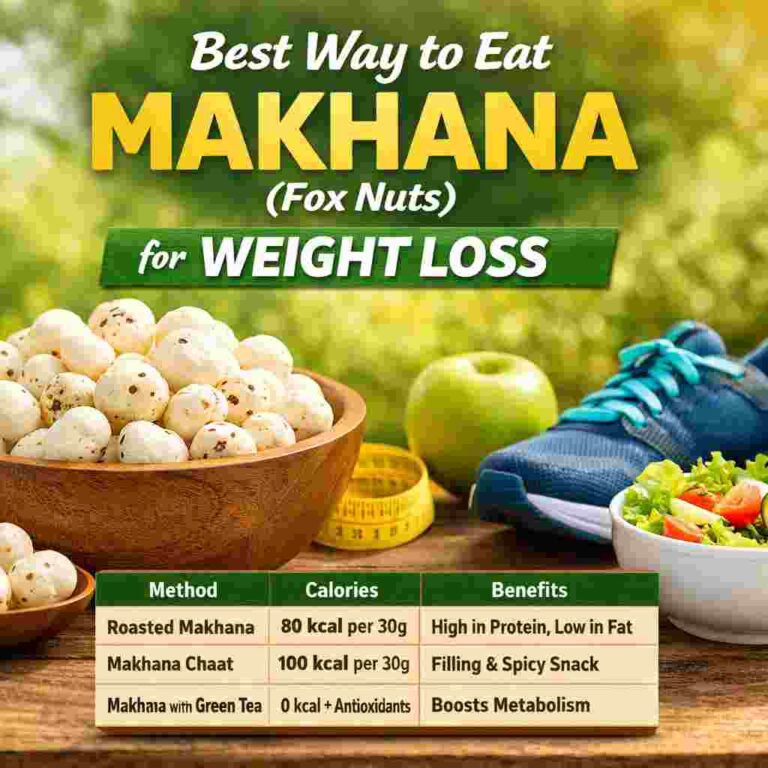
Makhana (fox nuts) are a low-calorie, nutrient-dense snack from Asian lotus seeds. They’ve recently gained popularity as a “guilt-free” crunchy treat, especially for weight-conscious eaters. Makhana are very low in fat and high in protein and fiber, which means a small bowl can keep you full for hours without spiking blood sugar. In fact, experts note that makhana’s high protein and fiber content helps suppress hunger and curb cravings. As one Times of India report explains, these “fox nuts” are low in calories and loaded with nutrients (calcium, magnesium, iron, phosphorus), making them a wholesome, satisfying snack that keeps you full longer Image: Roasted makhana (fox nuts) ready to eat. Makhana can be enjoyed plain or seasoned. Nutritionally, they pack a punch: about 104 calories per 30g serving, with roughly 2.6g protein, 4.4g fiber, and only 0.03g fat. They’re also rich in minerals – for example, one cup (32g) provides calcium, magnesium, phosphorus and potassium. This makes them particularly weight-loss friendly: the fiber and protein both slow digestion and promote satiety, so you feel full on fewer calories. In fact, makhana rank among the “lowest-fat, highest-fiber” snack options available. Their low glycemic index also means they won’t cause sudden blood sugar spikes – a plus for avoiding energy crashes and overeating later. Fox Nuts vs. Other Snacks: A Comparison To see why makhana are weight-loss friendly, compare them with common snacks. The table below shows nutrient values per 30g: Snack Calories Protein (g) Fat (g) Fiber (g) Popped makhana 104 2.6 0.03 4.4 Air-popped popcorn 93 3.1 1.1 3.6 Potato chips 160 2.0 10.3 1.5 Roasted almonds 173 6.3 15.0 3.7 This shows that 30g of popped makhana (like a small bowl) has nearly the same calories as 30g popcorn, but far less fat (virtually none) and more fiber. In contrast, 30g potato chips have 160 calories and 10g fat, with just 1.5g fiber. These numbers highlight why nutrition experts praise makhana for weight management: you get bulk from fiber and protein, with minimal calories from fat. Why Makhana Support Weight Loss Smart Ways to Eat Makhana for Weight Loss Eating makhana the right way makes all the difference. Here are practical tips to maximize their weight-loss benefits: Bottom Line In sum, fox nuts (makhana) are a great weight-loss snack when prepared wisely. They fill you up on fiber and protein, stabilize blood sugar, and add nutrients – all at very low calorie cost. To reap the benefits, roast them at home and season naturally (as shown above) rather than buying the high-calorie flavored varieties. Try substituting makhana for your usual chips or crackers and notice how long the hunger stays away! What’s your favorite way to enjoy makhana? Share your recipes or tips in the comments. And if you found this helpful, check out our other posts on healthy snacks and weight-loss tips.

makhana-for-thyroid-benefits
Health

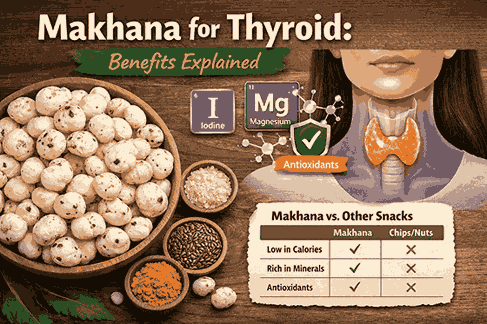
Makhana for Thyroid: Benefits Explained

Thyroid disorders (like hypothyroidism) often leave you feeling sluggish, making metabolism seem impossible to kickstart. Enter makhana (fox nuts or lotus seeds), an age-old Indian superfood now trending globally. Packed with nutrients, antioxidants, and a surprisingly thyroid-friendly profile, makhana is making waves as a gluten-free, metabolism-boosting snack. In this post, we’ll dive deep into makhana’s nutrition, its thyroid-specific benefits, how it stacks up against other thyroid-friendly foods, and practical tips for adding it to your diet. What Is Makhana and Why Is It Nutrient-Rich Makhana (fox nuts) are the popped seeds of the Euryale ferox aquatic plant, traditionally harvested and roasted. A 100g serving contains about 350 calories, 9.7 g protein, 14.5 g fiber, and 0.1 g fat – making it a high-fiber, protein-rich snack. It also delivers key minerals per 100g: roughly 67 mg magnesium, 500 mg potassium, 200 mg phosphorus, 60 mg calcium, and 1.4 mg iron. Crucially, researchers note it even contains traces of iodine (in addition to vitamins B1, carotene, and other micronutrients) – the very element your thyroid needs to produce hormones. In short, makhana is low in fat, high in protein/fiber and loaded with thyroid-supporting minerals. In summary, makhana provides a nutrient-packed package: protein, fiber, magnesium, and iodine – all wrapped in a gluten-free, low-fat seed. Its unique nutrient blend makes it an attractive choice for thyroid patients looking to support hormone balance and metabolism. How Makhana Supports Thyroid Function Hypothyroidism often brings weight gain, constipation, fatigue and brain fog. Let’s explore how makhana’s nutrients can help counter those issues: Example Benefits (Thyroid-Specific): Many thyroid patients report that adding makhana to their diet helps with chronic tiredness and weight control. For example, its protein can reduce food cravings and keep energy steady, while fiber improves gut health (important since hypothyroidism often causes constipation). Anecdotally, some say roasted makhana feels like “nature’s popcorn”—satisfying to snack on, yet much healthier than chips. Makhana vs Other Thyroid-Friendly Foods Curious how makhana stacks up against classic thyroid superfoods? Here’s a simple comparison highlighting the key nutrients in each of these foods. Food/Nutrient Makhana (100g) Other Thyroid Allies (Key Nutrients) Magnesium ~67 mg (17% RDA) Pumpkin seeds: 262 mg (free T4→T3 conversion) Zinc ~1.0–1.8 mg Red meat: ~5 mg (TPO enzyme); Oysters: ~50 mg (antioxidant support) Iodine Trace (present) Seaweed: Very high (raw materials for T3/T4); Iodized salt: ~77 μg per 0.5 tsp. Protein 9.7 g Egg (1 large): 6 g; Greek yogurt (100g): ~10 g (help with hormone production) Fiber 14.5 g Legumes (100g): ~7–10 g (aids satiety and digestion) Special Traits Gluten-free; low-fat; antioxidant-rich Brazil nuts: Selenium (200%+ DV, antioxidant for T4); Berries: Antioxidants (protect thyroid); Leafy greens: Magnesium, iron, vitamins for thyroid enzymes.  The takeaway: Makhana isn’t the highest in any one nutrient (like seaweed is for iodine or Brazil nuts for selenium), but it offers a well-rounded mix of fiber, protein, magnesium and antioxidants. These help complement other thyroid foods. For example, you could snack on makhana alongside a few Brazil nuts (for selenium) or a sprinkle of seaweed (for iodine) to cover all bases. How to Enjoy Makhana & Precautions To reap thyroid benefits, enjoy makhana in its pure, roasted form – not deep-fried or heavily salted. Opt for dry-roasted makhana with minimal oil and seasonings (like turmeric or black pepper). You can toss it with herbs and spices for flavor, mix it into trail mixes, or even grind it into flour for gluten-free baking. It also makes a creamy kheer (pudding) or smoothie base. Best Practices: Who Should Caution: Makhana is healthy, but like any food, moderation is key. Because of its high potassium (500 mg/100g), people with kidney problems should limit intake. Also, those on very low-carb diets should account for its ~77g carbs per 100g. Finally, if you experience any digestion issues (bloating or gas) after eating a lot of makhana, try smaller amounts. Quick Tip: Some thyroid practitioners suggest starting with organic, unsalted makhana. This ensures you get nutrients without unwanted additives. For example, raw or lightly roasted organic makhana can retain more minerals like magnesium and phosphorus. Conclusion In a nutshell, makhana is a nutrient-packed, thyroid-friendly snack. Its blend of protein, fiber, magnesium, antioxidants and even iodine can support hormone production, boost metabolism, and help manage common hypothyroid symptoms. And it proves healthy eating doesn’t have to be dull – who knew these crunchy lotus seeds could be so beneficial? Give makhana a try as a daily snack or recipe ingredient, and see how your body responds. Your thyroid (and taste buds) may thank you! Liked this post? Share your experience with makhana or thyroid-friendly foods in the comments. Have a favorite makhana recipe or tip? We’d love to hear it! Don’t forget to subscribe for more nutrition insights and tasty health tips. Stay crunchy and healthy!

makhana-for-bone-health
Health

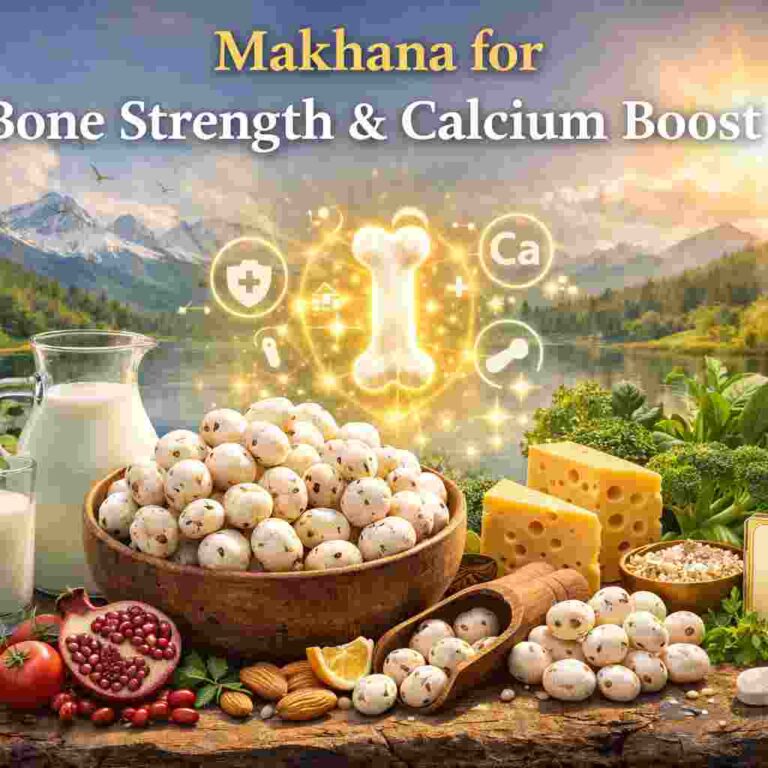
Makhana for Bone Strength & Calcium Boost

Makhana (also called fox nuts or lotus seeds) are popped, crunchy seeds from aquatic lotus plants. A popular snack in India, fox nuts offers more than just flavor – it’s packed with nutrients crucial for bone health. In fact, lotus seeds contain calcium, magnesium, iron and antioxidants that can support stronger bones and overall wellness. This superfood has been used in traditional diets for centuries, and modern nutrition science is now confirming its benefits. For example, one cup (about 32 g) of dried fox nuts delivers ~52 mg of calcium, which translates to roughly 163 mg per 100 g. Beyond calcium, fox nuts provides protein, fiber, phosphorus and magnesium – all of which work synergistically to strengthen bone structure. Let’s explore how makhana compares to other calcium-rich foods and why it’s worth adding to your diet for a calcium boost. What Is Makhana? Makhana (Euryale ferox) are the edible seeds of the prickly water lily. Also known as phool makhana (flower lotus seeds), they are harvested from ponds, sun-dried, and “popped” like popcorn to become a light, airy snack. Traditionally eaten during religious fasts and festivals, fox nuts are increasingly recognized as a nutrient-dense superfood. A 100 g serving of dried fox nuts provides about 347–356 kcal, with roughly 9.7 g protein, 76.9 g carbohydrates, 14.5 g fiber, and only 0.1 g fat. They are particularly valued for minerals: per 100 g, fox nuts delivers about 60–163 mg of calcium (depending on source), 67–70 mg magnesium, 188–200 mg phosphorus, and 500 mg potassium. (For reference, one cup of milk has ~300 mg calcium, while 100 g almonds have ~264 mg.) In short, fox nuts are a low-fat, high-fiber snack that packs significant bone-friendly minerals along with protein. Nutritional Profile: Key Minerals & Bone-Building Nutrients Makhana’s nutritional composition makes it a “mineral-rich” snack that can support bone health: These nutrients mean makhana isn’t just empty carbs; it’s a wholesome snack. For example, Healthline notes that lotus seeds are “an excellent source of several important nutrients” including calcium, magnesium and phosphorus. Medanta’s nutrition breakdown similarly highlights makhana as low-fat, high-fiber and mineral-rich. In practical terms, snacking on makhana can help you meet part of your daily mineral needs. Just remember, while they supply some calcium, you’d need other sources to hit the full Recommended Dietary Allowance (1000–1200 mg/day for adults). Calcium in Context: How Makhana Compares It helps to see how makhana’s calcium stacks up against other foods. The table below highlights calcium in makhana and a few common sources: Food Serving Size Calcium (mg) Makhana (dried) 100 g 163 Almonds (raw) 100 g 264 Sardines (canned) 60 g 240 Kale (raw) 50 g 32 Compared to dairy products (e.g. milk has ~300 mg per cup) and fortified foods, makhana’s calcium is modest, but still meaningful as a plant-based source. Notably, some vegetables (like kale or broccoli) are touted for calcium, but their actual content can be lower and less bioavailable. For example, raw kale has only ~32 mg per 50 g (and much of that is bound by oxalates). By contrast, a 100 g serving of fox nuts supplies roughly half as much calcium as 240 g yogurt (which is ~300 mg) – quite impressive for a crispy snack. Moreover, fox nuts provides other bone-friendly minerals (Mg, P) and protein, making it synergistic for bone maintenance. How Makhana Supports Bone Strength Calcium is the star mineral for bone strength, and NIH notes that most of the body’s calcium is stored as bone mineral (hydroxyapatite). Makhana’s calcium contributes to this pool. Medanta emphasizes that “Makhana offers protection through its mineral-rich composition” – its calcium “betters bone density, reduces fracture risks & prevents osteoporosis, especially in older adults.”. In other words, regular intake of calcium-rich foods like fox nuts can help maintain bone mass as we age. But makhana’s benefits go beyond raw calcium content. Its magnesium helps the body absorb and use calcium effectively. Phosphorus from fox nuts combines with calcium to form the very structure of bone tissue. This trio (Ca-Mg-P) is critical: without enough magnesium or phosphorus, even a calcium-rich diet can’t fully build strong bones. In addition, makhana’s protein and amino acids (like lysine) support the collagen matrix of bone. Its antioxidants (e.g. kaempferol) reduce inflammation, which may indirectly support bone remodeling and healing. Emerging research is even exploring makhana’s direct impact on bone health. A recent clinical trial protocol outlines giving fox nuts supplements to postmenopausal women (a group at high osteoporosis risk) to see if bone mineral density improves. The researchers anticipate that makhana’s nutrients might raise serum calcium and vitamin D levels and lower parathyroid hormone (PTH), all favoring bone retention. While final results are pending, this reflects scientific interest in makhana as a functional food for bones. Getting Creative: Makhana Recipes & Tips Including makhana (fox nuts) in your daily diet is an easy, nutritious, and delicious way to improve your health.They can be enjoyed simply as a roasted snack or fused into meals. For example, you can dry-roast makhana with spices (salt, pepper, turmeric or chaat masala) for a crunchy, guilt-free snack that’s much lower in fat than popcorn or chips. Mixing them with nuts and seeds boosts the calcium content – try a trail mix of roasted makhana, almonds, and sesame seeds. A popular idea is makhana laddoo (energy balls): blend roasted makhana with jaggery, nuts (like cashews or almonds) and a touch of ghee. This “nutty sweet” is naturally calcium-rich and kid-friendly. In fact, as one health blog notes, “Makhanas are a storehouse of nutrition, especially calcium”, making laddoos and other treats a smart way to deliver bone nutrients. Breakfast and beverages are other opportunities. Makhana kheer (lotus seed pudding) is made by cooking crushed makhana in milk and sweetener; it combines dairy and nuts for a double calcium boost. For a smoothie, try blending soaked, roasted makhana with milk (or fortified plant milk), almonds, dates and a banana – this makhana almond milkshake is ultra-creamy and calcium-packed. Even savory dishes work: toss roasted makhana into raita (yogurt dip) or chutney, or simmer them in a curry with spinach and tofu. The Economic Times highlights recipes from spicy makhana chaat to a makhana-sesame bar – all aimed at increasing calcium intake. Even a warm makhana soup (pureed with milk and mild spices) can make a soothing, bone-nourishing

calories-in-fox-nuts-makhana-a-complete-guide
Fitnes

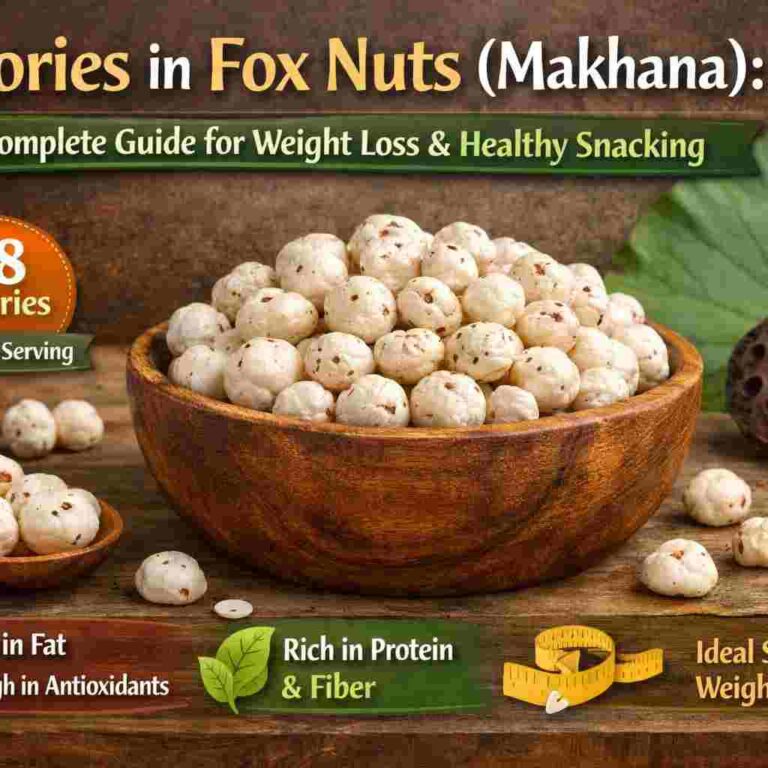
Calories in Fox Nuts (Makhana): A Complete Guide for Weight Loss & Healthy Snacking

Imagine snacking on something crunchy, satisfying, and guilt-free – that’s fox nuts (makhana) for you. Once considered a “food reserved only for the gods” in India, makhana (fox nuts) have quietly become a favorite among dieters and health buffs. In this complete guide, we’ll crunch the numbers on calories, macros, and nutrition in fox nuts, and show how these humble lotus seeds can fit into a weight-loss or healthy snacking plan. You’ll learn why fox nuts pack lots of volume with relatively few calories, how they compare to popular snacks, and practical ways to enjoy them. Fox nuts (makhana) are the popped seeds of the aquatic lotus plant Euryale ferox, also called lotus seeds or water-lily seeds. They start as hard, starchy seeds, which are heated until they puff up like popcorn. Traditionally used in Indian festivals and Ayurvedic recipes, makhana have long been prized as a light, “sattvic” (pure) food – often offered to deities or eaten during Hindu fasting days like Navratri and Ekadashi. Today, they’re simply enjoyed as a nutrient-rich snack.When roasted, fox nuts (makhana) turn light, fluffy, and perfectly crispy, making them a delicious snack that is naturally lower in fat and calories compared to most processed munchies. Fox nuts are gaining fame because they deliver big crunch with relatively few calories. They’re mostly carbohydrate (mostly starch), with a decent amount of plant protein, fiber and almost no fat. For example, just 1 cup of dried makhana (about 32 g) has only about 106 calories. That same 32 g serving also provides around 5 g of protein and significant calcium, magnesium and other minerals. In contrast, 100 g of raw (unpopped) makhana contains roughly 350–360 kcal, whereas the popped/roasted product is around 328 kcal per 100 g. (The small calorie difference reflects moisture loss and any added oil when roasting.) By comparison, energy-dense nuts like almonds pack about 578 kcal per 100 g, so by weight fox nuts are much lighter. Almonds (shown) are very energy-dense – about 578 kcal per 100 g – whereas 100 g of raw fox nuts has only ~362 kcal with negligible fat. This makes makhana a crispy, lower-calorie snack alternative to most nuts and chips. In practical terms, these numbers mean you can eat a generous handful of makhana and stay within a moderate calorie budget. As The Times of India explains, makhana’s “low energy value per gram” lets you eat a decent volume without a big calorie hit. In other words, a large bowl of makhana will weigh more and look more filling than the same calories in potato chips or nuts, helping curb hunger. This is great for weight loss: volume eating with very crunchy, satisfying texture. Nutrition Snapshot: Calories and Macronutrients Let’s break down the key nutrition facts. According to USDA-based data, 1 cup (32 g) of dried fox nuts has: So you get about 3–4 g of protein and 7–8 g of filling fiber per 106 calories. Low fat (virtually 0.1 g) and low sugar make them a clean snack. Makhana are also surprisingly rich in minerals – each serving brings calcium, magnesium, potassium, phosphorus and iron – plus antioxidants like gallic and ellagic acid (which may have health benefits). For larger servings, the totals climb predictably. Here’s a quick reference: Type Serving Size Calories Raw Fox Nuts (makhana) 100 g ~362 kcal Roasted/Popped Fox Nuts 100 g ~328 kcal 1 cup dried makhana (≈32 g) 32 g ~106 kcal Even roasted makhana (if cooked without much oil) stay low in fat. Of course, frying them in butter or ghee will bump up the calories a bit – “there is a modest increase in calories when oil or ghee is used” during roasting. But plain dry-roasted or air-popped makhana remain nearly fat-free and light. Raw vs. Roasted Fox Nuts You’ll find raw (dried) makhana sold in Indian stores; these are popped but unseasoned. Roasting (dry on a skillet or in a bit of oil) to make them crispy is up to you. Raw makhana in powder form can even be made into gluten-free flour. Here’s how they differ nutritionally: In short, raw makhana (sun-dried, unseasoned) is basically pure lotus seed starch – still healthful, but bland on its own. Roasted makhana is more palatable (and safer to eat), with all their inherent protein and fiber, provided you don’t go overboard on frying. Choosing raw lets you control the fat and salt; choosing roasted is more convenient. Both forms share the same basic 330–360 kcal/100g range. Makhana and Weight Loss: How They Help Why do fox nuts have a reputation as a diet-friendly snack? It’s all about protein, fiber, and portion volume. Health experts point out that makhana’s combination of protein and fiber helps with satiety and appetite control. As Healthline explains, adding makhana (fox nuts) to your diet “can help increase your intake of protein and fiber, two key nutrients that may benefit weight loss”. High-protein diets can reduce hunger and cravings, and fiber takes longer to digest, making you feel full longer. One industry source even highlights that “high protein and fiber make you feel fuller for longer, which cuts down on overindulgent snacking”. Moreover, fox nuts have a low glycemic load. Their carbs are mostly complex starch, so they digest slowly, keeping blood sugar steady rather than causing spikes that lead to hunger later. Times of India notes that this slow energy release “stabilizes the blood sugar level and reduces sudden hunger”. In practice, this means munching on makhana (instead of, say, potato chips) is less likely to trigger the cravings that derail diets. Importantly, though, remember that portion control still matters. Even low-calorie foods add up if you eat tons of them. One should be mindful that 100 g of makhana (which might be 3–4 cups popped) still contains ~340–360 calories, comparable to many snack foods. As Healthline warns (citing expert advice), eating large amounts (100 g or more) can contribute significant calories. In my own experience, snacking on a handful (about 30–40 g) is plenty to feel satisfied. For reference, ~30 g of plain roasted makhana is ~100–120 kcal, roughly the same as a small handful of nuts. A bowl of nuts (almonds) – by contrast, 100 g of almonds packs ~578 calories. Fox nuts give you crunch and protein/fiber but at far lower calorie and fat density. Fox Nuts vs.

makhana-for-weight-loss-how-to-use
Health

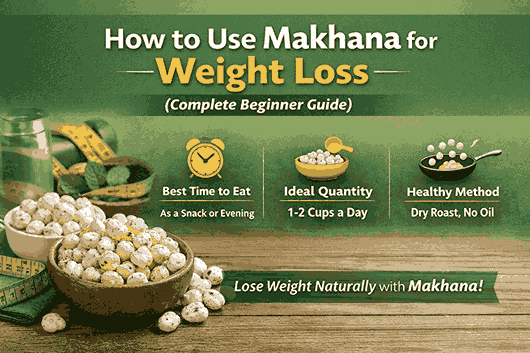
How to Use Makhana for Weight Loss (Complete Beginner Guide)

Makhana (fox nuts or lotus seeds) has become a favorite among weight-conscious snackers. Rich in nutrients yet naturally low in calories and fat, makhana offers a satisfying crunch without packing on extra calories. In fact, a 32g (about one cup) serving of roasted fox nuts has only ~106 calories. Packed with plant protein and fiber, it helps keep hunger at bay while stabilizing blood sugar. These qualities – high volume, high satiety and nutrient density – make fox nuts an ideal snack to replace chips and other fried foods on a weight-loss plan. Roasted fox nuts (fox nuts) make a crunchy, low-calorie snack. They’re traditionally dry-roasted and seasoned for flavor. Photo: iStock/koosen Why Makhana Helps You Lose Weight Nutritionists praise makhana’s macronutrient profile for weight loss. It’s high in fiber and protein, two key nutrients that promote fullness. For example, studies show high-protein diets and high-fiber diets help reduce appetite and cravings. At the same time, makhana’s carbs are mostly complex starches, which release energy slowly and prevent blood-sugar spikes. This means fewer sudden hunger pangs or sugar cravings during the day. Combined, these traits mean fox nuts satisfy hunger without sabotaging a calorie deficit. In fact, dietitians often recommend these puffed lotus seeds as a smart snack choice during weight-loss phases. One nutritionist notes that fox nuts are nearly fat free and contain about 10 grams of protein per 100g, making them “one of the smartest weight loss foods”. Makhana vs Other Snacks: Nutrition Comparison How do makhana stack up against common snacks? The table below compares a 30g serving (roughly 1 cup) of roasted makhana to equal portions of air-popped popcorn and raw almonds: Snack (30g) Calories Protein Fat Fiber Roasted Makhana ~106 cal ~5 g ~0.5 g – Air-Popped Popcorn ~110 cal 3.4 g 1.3 g 4.1 g Almonds (raw) ~165 cal 6 g 14 g 3 g Even compared to popcorn or nuts, fox nuts are low in calories and fat. Popcorn is high in fiber and similar in calories, but often salted or buttered, adding calories. Nuts like almonds are nutritious but far more calorie-dense (30g of almonds has ~165 kcal and 14g fat). By contrast, a 30g handful of dry-roasted fox nuts gives you satisfying crunch with only about 100 calories, negligible fat, and a protein boost. In practical terms, swapping out 30g of potato chips (roughly 160 kcal, 11g fat) for 30g of fox nuts can save dozens of calories and cut fat intake. The lighter nutrition profile of fox nuts makes it an easy way to trim daily calories while still snacking on something crunchy. Healthy Preparation Methods The best way to eat makhana for weight loss is to keep preparation simple and healthy. Ideally, roast or toast the seeds dry or with minimal oil, and flavor them wisely: In short, the best way is to enjoy fox nuts dry-roasted (or very lightly oiled) with flavors you like. This preserves their low-calorie character and ensures you’re eating a snack, not a starchy side-dish. As one expert puts it: “Dry roasting makhana preserves its nutrients and keeps it low in calories, making it ideal for weight loss”. Portion Control and Timing Even healthy snacks need portion control. Makhana may be low-calorie, but eating giant bowls still adds up. The general rule for weight loss is to keep servings moderate. Nutrition experts often recommend about 30 g per sitting (roughly 1 cup of popped makhana) as a snack. According to industry guidelines, “eating nearly thirty grams (30g) of makhana is good for stimulating weight loss”. Key tips on portions and timing: By treating makhana as an occasional snack rather than a meal, you harness their benefits without excess. In summary: moderate portions + healthy cooking + consistent timing. This way, makhana “supports satiety… and can be used as a lower-fat alternative to fried snacks,” helping you stay on track. Delicious Makhana Recipe Ideas Ready to try some tasty makhana dishes? Here are a few healthy recipe ideas: Each of these ideas keeps the makhana light and nutritious. They show the “versatility” of makhana – a point even nutrition writers note. By making makhana part of salads, snacks or even curries, you get that crunchy texture without heavy oils or carbs. Conclusion and Next Steps Makhana (fox nuts) are a weight-loss friendly super-snack: low in calories and fat, high in protein/fiber, and easy to season. Research and experts agree that eaten the right way (dry-roasted, light seasoning, controlled portions), these lotus seeds help curb hunger and can replace unhealthy snacks. Key takeaways: limit your serving to about 30g at a time, pair makhana with protein-rich foods, and choose dry-roasted or gently sautéed preparations. Your turn: Have you tried makhana for weight loss? Do you enjoy them spiced, sweet, or savory? Have you tried makhana for weight loss? Share your experience in the comments below! Feel free to share your favorite makhana snack or recipe. If you found these tips useful, share this post with a friend and check out our other healthy snack guides. Together, we can snack smarter and stay on track!

makhana-natural-immunity-boosting-superfood
Health

Makhana (Fox Nuts): The Natural Immunity-Boosting Superfood

Imagine a light, crunchy snack that not only satisfies your munchies but also bolsters your immune defenses. Makhana, also known as fox nuts or lotus seeds, is exactly that. Hailing from the ponds of South Asia (especially Bihar, India) and long revered in traditional diets, these popped lotus seeds are now celebrated worldwide as a nutrient-dense superfood. Packed with protein, fiber, and key minerals like magnesium and phosphorus, they quietly aid many aspects of health — including immunity. Recent research highlights that fox nuts are effective immune stimulants: animal studies showed makhana enhanced antibody-mediated (humoral) immunity. In other words, the vitamins, minerals and antioxidants in makhana (like zinc, magnesium, gallic and ellagic acids) actively support your body’s defense mechanisms. Roasted makhana (fox nuts) in a bowl. These mild-tasting popped lotus seeds deliver protein, fiber and immune-supportive minerals like magnesium. From a nutritional standpoint, fox nuts punch above their weight. Per 100g (about 3–4 cups of popped makhana), they provide ~347 calories, 9.7g protein and an impressive 14.5g fiber, with almost zero fat (0.1g). They’re also a good source of calcium (60mg), iron (≈1mg) and especially magnesium (210mg). This combination — high fiber and minerals but low fat — makes them a great snack for immunity. Fiber helps feed healthy gut bacteria (key for immune regulation) and the minerals support immune cells: for example, zinc and magnesium in fox nuts help enzymes and cell functions that build antibodies. (Indeed, zinc is well known to “play a role in enhancing immune function”.) In short, a handful of roasted makhana supplies nutrients that fortify your body’s defenses without excess calories or sodium. Fox Nuts vs. Other Immune-Supportive Snacks How do fox nuts stack up against other healthy snacks? The table below compares makhana to popular options per 100g. You’ll see fox nuts are comparatively low in fat yet high in fiber, and rich in minerals: Snack Calories Protein (g) Fiber (g) Zinc (mg) Magnesium (mg) Fox Nuts (Makhana) 347 9.7 14.5 1.1¹ 210 Almonds 579 21 13 3 270 Roasted Chickpeas 378 20 12 3 79 Pumpkin Seeds 446 19 18 10 262 Table: Nutritional comparison of fox nuts with other nutrient-rich snacks (per 100g). Values from nutrition databases. Notice that fox nuts are lower in fat than nuts like almonds (0.1g vs 50g!) yet still offer substantial plant protein and fiber. They excel in minerals like magnesium (210mg) and phosphorus (550mg), crucial for immune-cell function and recovery. By contrast, pumpkin seeds shine with zinc (about 10mg per 100g, vs ~1mg in fox nuts); both micronutrients synergize for immune health. Overall, makhana holds its own as a low-fat, high-fiber snack that delivers a unique mineral profile alongside potent antioxidants. Antioxidants & Immune Health The antioxidant content of makhana further explains its immunity boost. Antioxidants neutralize harmful free radicals in the body, preventing cellular damage and inflammation. Makhana contains gallic acid, ellagic acid, and epicatechin, among other polyphenols. These compounds help curb oxidative stress and inflammation – processes that, when excessive, can impair immune function. For context, nutrition experts note that “antioxidants…protect cells from free radicals, lowering oxidative stress”. In practical terms, eating antioxidant-rich foods like makhana is akin to buffering your body against everyday oxidative wear-and-tear, keeping your immune system more resilient. In fact, research shows that dietary antioxidants can support chronic inflammation control and overall immune defenses. Incorporating Makhana into Your Diet The best news? Makhana is easy and delicious to use. One popular way is to lightly roast the seeds with a dash of ghee or oil and spices (turmeric, chili, or cumin) for a crunchy savory snack. You can think of them like a low-fat, gluten-free popcorn alternative. Try tossing roasted makhana into trail mix, salads, or even adding them to stir-fries and curries for extra crunch. In Indian cuisine, makhana is also used in desserts: making a creamy makhana kheer (lotus seed pudding) or protein-rich snacks like makhana laddoos. These treats deliver comfort as well as nutrition — a home remedy, for instance, was to give new mothers makhana-based dishes to support postnatal immunity and strength. (Even Ayurveda lauds makhana as a “cooling” tonic for digestion and rejuvenation.) On the health front, many people find makhana a satisfying snack that curbs hunger without spiking blood sugar (thanks to its fiber and low glycemic index). Nutritionists also suggest pairing makhana with vitamin C–rich foods (like citrus or peppers) to further enhance immune support, since vitamin C aids mineral absorption and white-cell activity. Experiment with makhana milk (blended with milk or a dairy alternative) or toss them into your morning yogurt and fruit bowl. The mild flavor blends well with sweet or savory ingredients. Key Takeaways Makhana (fox nuts) is more than just a trendy snack – it’s a nutrient powerhouse that can help keep your immunity strong. As noted by health experts, the vitamins and minerals in makhana (particularly zinc and magnesium) “play a significant role in supporting the immune system”. Their antioxidant polyphenols add anti-inflammatory protection. Compared with other immunity-friendly snacks, fox nuts offer a unique balance of high fiber and low fat, plus calcium and phosphorus, making them ideal for light but nourishing munching. Whether you pop them on the stove with spices or stir them into favorite recipes, adding makhana to your diet can be an easy, tasty way to fortify your natural defenses. Try it yourself: Roast a handful of makhana tonight and notice the crunch and subtle nutty flavor. Share your experience or favorite makhana recipe below – we’d love to hear how fox nuts fit into your healthy routine! And if you enjoyed learning about this superfood, subscribe for more tips on natural immunity boosters and super-snacks. Sources: Nutrient databases and expert reviews

makhana-fox-nuts
Basic

Makhana: The Ancient Fox Nut Earning Today’s “Superfood” Status

The puffed white seeds called makhana (fox nuts) are harvested from water lilies and enjoyed roasted as a crunchy snack. Once a humble ritual food in India, makhana (Euryale ferox seeds) has surged in popularity globally. Often mislabeled “lotus seeds,” these are actually the popped kernels of a prickly water lily plant. In recent years nutritionists and food bloggers have touted fox nuts as a nutrient-dense superfood – but what earned it this title? This post digs deep into makhana’s background, nutrients, and benefits, explaining why it’s more than just a tasty snack. What Is Makhana? Origins and Cultural Roots Makhana (also called fox nut, gorgon nut or phool makhana) has been cultivated for centuries in wetlands of Bihar (Mithila) in India, as well as parts of China, Japan and Korea. In Bihar it’s sometimes dubbed the “black diamond” due to its high value and labor-intensive harvest. The seeds come from the water lily Euryale ferox, not the lotus, which explains why they sometimes get confusingly called “lotus seeds.” When the ripe seeds are collected, the outer coating is removed, and the inner kernel (perisperm) is sun-dried and roasted until it puffs up (similar to popcorn). The result is a crunchy white puff with a mild, nutty flavor that graces festival feasts, fasting menus, and modern recipes alike. In traditional cultures, makhana has a strong heritage. Ayurvedic and Chinese medicine texts praised the nutritious quality of E. ferox seeds. Chinese herbal lore calls it a “medicine-food homology species,” used for thousands of years as both food and remedy. Indian rituals have long featured makhana: it’s offered in puja ceremonies and used in sweets like kheer or panjiri. This cultural cachet helped makhana survive as a staple snack in eastern India. In fact, references date back 2000 years – in China it’s called a “superior food” valued for antioxidants and blood-sugar benefits, and in India the word makhana comes from Sanskrit (“makh” = ritual, “anna” = food). By mid-20th century, makhana was mainly a local delicacy. But over the last decade its profile changed. Urban consumers seeking healthy alternatives to chips embraced makhana as a low-fat, high-protein snack. Nutrition experts and wellness influencers started promoting it as a superfood, leading to store shelves being stocked with a variety of roasted and flavored fox nuts.. In 2022, India even won a Geographical Indication tag for “Mithila Makhana”, and the seeds were served at the 2023 G20 summit – cementing makhana’s international spotlight. Today Bihar still produces >80% of the world’s makhana, and exports are rising rapidly, driven by growing demand in health-food markets worldwide. Nutritional Profile: A Powerhouse of Nutrients Makhana’s “superfood” label stems largely from its impressive nutrient density. In a small 32 g cup of popped makhana (about 106 calories), you’ll find roughly 5 g of protein, 4.4 g fiber, and a variety of minerals. 100 g of makhana provides roughly 347 calories, 9.7 g protein, and 14.5 g fiber – much higher protein and fiber than other starchy snacks. It contains significant calcium, magnesium, and potassium (roughly 60–70 mg each per 100 g) and small amounts of iron and zinc. Notably, makhana is extremely low in fat (only ~0.1 g per 100 g) and very low in sodium when unseasoned. The seed’s macronutrient breakdown is mostly complex carbohydrates (around 61–77% of its weight, depending on raw vs popped form). Its protein is plant-based and well-rounded: one analysis notes makhana includes all nine essential amino acids, a rarity among grains. Its starches and dietary fiber are digested slowly, contributing to a low glycemic index. Indeed, most sources list makhana’s GI around 30–55, lower than rice or regular grains, which means it causes a gentler rise in blood sugar. The chart below compares makhana to common snacks/staples: Nutrient Makhana (100 g, popped) Air-Popped Popcorn (100 g) White Rice, cooked (100 g) Calories 347 387 129 Protein 9.7 g 12.94 g 2.66 g Fat 0.1 g 4.54 g 0.28 g Carbs 76.9 g 77.78 g 27.9 g Fiber 14.5 g 14.5 g 0.4 g This comparison highlights key points: Per calorie, makhana packs more protein and fiber than cooked rice and almost as much fiber as popcorn, with far less fat than either. Unlike popcorn or chips, makhana’s crunch comes with minimal oil. Nutritionists note that 100 g of fox nuts has nearly zero saturated fat and no cholesterol, making it a heart-healthy snack choice. And compared to nuts like almonds, fox nuts has far fewer calories and fat while still providing protein (about 10 g per 100 g). In short, each bite delivers vitamins and minerals along with beneficial plant protein and fiber. Health Benefits: Why Makhana Can Be a “Super” Snack 1. High in Protein and Fiber. The combination of protein and fiber makes fox nuts filling and nutritious. Protein helps build and repair tissues, and contributes to satiety, while fiber supports digestion. One study notes that adding 100 g of fox nuts provides a solid protein boost with very low fat. This helps curb hunger and can aid weight management. In fact, Indian nutritionists emphasize makhana’s role in weight control: its high fiber and low-calorie nature mean you feel full on fewer calories 2. Rich in Minerals. A single serving of makhana brings in minerals often lacking in modern diets. It is a good source of magnesium and potassium, both vital for heart health and blood pressure regulation. For example, the magnesium (Mg) in makhana helps muscle and nerve function and may lower blood pressure. Potassium (K) aids in controlling heart rhythm and fluid balance. Not surprisingly, healthcare experts list makhana as beneficial for those concerned about hypertension or heart disease. It also contains calcium and phosphorus for strong bones, plus trace iron to support red blood cells. Harvested makhana seeds (below) are white when puffed and naturally low in salt and fat. Roasting them with spices creates a crunchy snack. The abundance of minerals and phytonutrients gives makhana antioxidant properties too. Studies show the seeds contain flavonoids and polyphenols like kaempferol, gallic acid, and ellagic acid. These antioxidants neutralize free radicals in the body, which can reduce inflammation and may protect against chronic diseases like heart disease and cancer. In fact, diets rich

makhana-during-pregnancy-safe-or-not
Health

Makhana During Pregnancy: Safe or Not?

Pregnancy brings extra nutrition needs and questions about every bite. One trendy snack is makhana (also called fox nuts or lotus seeds) – a light, crunchy puff often touted as a superfood. Even India’s Prime Minister recently revealed he eats fox nuts “at least 300 out of 365 days a year”. But is it a healthy choice for expectant moms? In this guide we dive into what makhana is, its nutrient profile, pregnancy-specific benefits, and any safety concerns backed by research. By the end, you’ll know whether to grab a handful of these airy pops or skip them at your next snack craving. What Is Makhana and Why Is It Popular? Makhana are the popped seeds of the aquatic plant Euryale ferox, commonly grown in ponds across parts of India and Asia. After harvesting, each seed is roasted until it “pops” into a fluffy, popcorn-like bite. Traditionally eaten plain or in sweets like kheer (rice pudding), fox nuts has gained modern fame for its nutrition. It’s naturally gluten-free, low in allergens, and dry-packed for convenience. Nutritionally, makhana is a nutrient-dense seed. For example, 100 grams of fox nuts contains about 356 calories, 9.7 g protein, 14.5 g fiber and just 0.6 g fat. It also supplies minerals like calcium (56 mg), potassium, phosphorus and magnesium. Health writers call it a “protein plant powerhouse” because of this mix. In practical terms, one cup (≈32 g) of popped fox nuts provides roughly 5 g protein, 3 g fiber and 200 mg potassium. It is notably high in carbohydrates (mostly starch) but has a very low fat and sodium content, which appeals to health enthusiasts. Beyond macros, makhana boasts antioxidants. Studies have identified polyphenols like gallic acid and ellagic acid in lotus seeds. These compounds can neutralize free radicals and may reduce inflammation. In fact, Moneycontrol notes makhana “contains flavonoids that possess potent anti-inflammatory and antioxidant properties… reducing the risk of chronic conditions like cardiovascular disease”. In short, makhana delivers fiber, plant protein, and micronutrients along with bioactive antioxidants – a combination that fits many nutrition trends. Makhana (fox nuts) are popped lotus seeds that pack fiber, protein and minerals into a crunchy snack (Image: Wesley Tingey/Pexels). Source: Unsplash Nutritional Benefits for Pregnancy For pregnant women, nutrient needs increase: more protein, calcium, iron, and fiber are often recommended. Makhana can support several of these needs: Calcium & Bone Health:  Lean Protein: Fiber & Digestion: Magnesium & Blood Pressure: Low Glycemic Index: Minimal Additives: Makhana vs. Other Snacks To put makhana’s nutrition in perspective, consider this comparison of a 100 g serving of roasted makhana vs. peanuts (a common protein snack): Nutrient (per 100 g) Makhana Peanuts Calories 356 kcal 567 kcal Protein 9.7 g 25.8 g Fiber 14.5 g 8.5 g Fat 0.6 g 49.2 g This table (based on USDA-derived data) shows makhana is much lower in calories and fat, but higher in fiber, compared to peanuts. In pregnancy, that means makhana can be a filling, nutrient-dense snack with minimal fat, while peanuts deliver more protein (but at higher calories). Unlike chips or sweets, makhana is not a “empty-calorie” snack – it contributes real vitamins and minerals to your diet.  Figure: One cup (32 g) of popped makhana provides protein, fiber, calcium, magnesium, phosphorus, and potassium. Safety Considerations While makhana has benefits, no food is risk-free. Here are key safety points for pregnant women: How to Enjoy Makhana in Pregnancy If you decide to include makhana in your pregnancy diet, here are some healthy ways to eat it:  Dietitian Tip: “A simple bowl of makhana tossed with a bit of ghee, salt, and pepper is perfect for curbing hunger,” suggests food technologist Marisha Baurai. For variety, try makhana bhel (chopped veggies & herbs) or even a cooling makhana raita (roasted makhana in yogurt). These ideas add flavor and nutrients to plain makhana. Always practice food safety: wash hands and surfaces, use clean utensils, and store makhana in airtight containers after opening. Conclusion & Takeaways In summary, makhana can be a healthy, pregnancy-friendly snack when used wisely. It offers protein, fiber, calcium and antioxidants with few calories or additives – attributes that match well with prenatal nutritional goals. The evidence suggests it’s safe for most expectant women, especially in moderation. The main caveats are ensuring cleanliness (to avoid mold or metal contamination) and not overdoing portion size. There’s no evidence that makhana is harmful to pregnancy; rather, traditional use and modern nutrition science both point to benefits.

Golmoti – Premium Quality Makhana

Our Promise

At Golmoti, premium quality makhana comes first.
We ensure every pack delivers freshness, purity, and authentic taste.

Contact Us

India,Bihar, Dist-Darbhanga,Benipur,Pauri.847201

support@golmoti.com

Copyright ©  2026 All right reserved

Scroll to Top