Author name: Dheeraj

fox-nut-diabetes
Health

Fox Nut: The Diabetic-Friendly Snack Choice

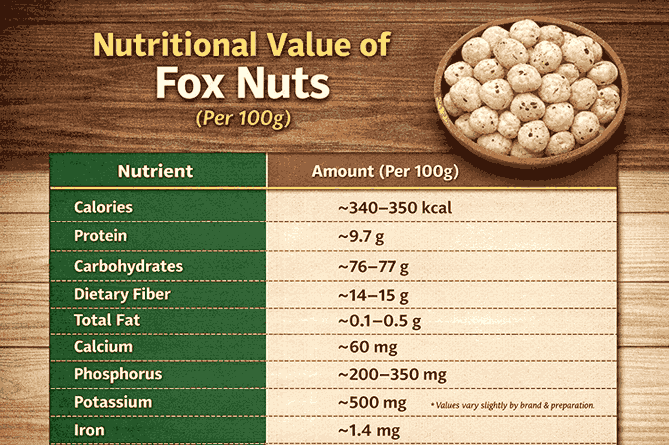
Introduction: Crunchy Fox Nuts in the Diabetes Story If you or someone you care about has diabetes, finding a healthy snack that doesn’t spike blood sugar can feel like a treasure hunt. Fox Nuts (also known as makhana or phool makhana) have popped onto social media and health blogs as a promising option. These little puffed lotus seeds are light, crunchy, and often billed as “diabetic-friendly” because they’re low in fat and rich in fiber. But does science back up these claims? In this article I’ll dive into the research and share fresh perspectives — including what nutrition experts say and a personal tip or two — so you can decide if fox nuts deserve a place on your snack plate. What Are Fox Nuts (Makhana)? Fox nuts are the edible seeds of an aquatic plant (Euryale ferox), harvested mainly in South Asia. They’re white puffs made by roasting the seed’s core until it “pops” into a crunchy round shape. In Indian tradition, makhana is often eaten during fasting periods or tossed into curries and desserts. Lately, dietitians and diabetes educators are eyeing it as a snack substitute for chips or sweet biscuits because of its unique nutritional profile. These snacks have a mild, neutral taste (think like a very mild popcorn), which means we can season them many ways – a pinch of salt and pepper, turmeric and cumin, or even a dash of chaat masala. Because they’re so low in fat and contain good fiber, people say makhana is “light yet filling.” Let’s unpack the nutrients to see why. Nutritional Profile: What’s Inside a Fox nut ? Fox nuts pack a surprising amount of nutrients for their size. Per 100 grams (about 3–4 cups puffed), you get roughly: Key points for diabetes: fox nuts are high-fiber and very low in fat. That fiber content (often listed as 7–14g per 100g, depending on the source) slows digestion. In fact, one nutrition site notes that “76.9g carbs with 14.5g fiber per 100g” means most of the carbs in makhana are digested slowly. Think of fox nuts as mostly starchy snack with a good boost of fiber and some protein. Unlike chips or cookies, there’s very little added sugar or fat (unless you add oil while roasting). Fox Nuts and Blood Sugar: What Science Says The big question: Will makhana spike your blood sugar? The research looks promising but is still emerging. Bottom line: Fox nuts have a body of indicators (low GI, fiber, antioxidants) that suggest they’re gentle on blood sugar. A human trial directly measuring GI confirmed they act more like a “low GI” snack. But remember: any carbohydrate can raise glucose if you eat too much. Moderation is key. Fox Nuts vs. Other Snacks: A Quick Comparison Snack Glycemic Impact Key Nutrients Satiety (Fullness) Fox Nut (plain, roasted) Low (GI ≈ 37) High fiber, moderate protein, very low fat Moderate – crunchy + fiber keeps you full. Potato Chips High Mostly fat & starch (little fiber) Low – easy to overeat, high salt triggers more eating. Popcorn (air-popped) Medium (GI ~55) Fiber, some protein, little fat Moderate – bulky snack but often eaten plain. Nuts (almonds, walnuts) Low High healthy fats & protein, fiber High – fats and protein strongly curb hunger. Compared to chips or cookies, fox nuts are a clear winner for blood sugar control. They outrank popcorn or puffed rice, too, because of the higher fiber and protein. The above table is qualitative, but it shows: Fox nuts are a healthier swap for most carb-heavy or fatty snacks, since their glycemic impact is lower and they provide extra nutrients like magnesium and antioxidants. (For example, the glycemic index trial found makhana’s GI ~37, while French fries or chips run 70+.) Best Ways to Enjoy Fox Nuts for Diabetes It’s not enough that makhana can be “good” for diabetes – how you eat them matters. Here are practical tips: With these strategies, fox nuts become a tool you use smartly – not a “free food.” Real-World Tip: How I Use Fox Nuts In my own kitchen, I experimented with makhana as a “chip substitute.” I noticed after lunch I craved something crunchy. Instead of reaching for biscuits, I roasted some makhana with a bit of turmeric, salt, and black pepper. Paired with a spoon of plain yogurt, it was surprisingly satisfying. Over a few days, this routine cut my afternoon snacking by half. One colleague also with diabetes tried adding makhana to her salad. She said the crunch kept her from feeling deprived. Of course, these are anecdotes, not medical advice – results vary. But they highlight a key point: small, consistent swaps (chips → makhana) and mindful portions can make a real difference in long-term blood sugar control. Fox nut : What Experts Say & Cautions Most dietitians agree: makhana can fit into a diabetic diet as long as you keep portions reasonable. Here’s why professionals aren’t ringing alarm bells: However, a couple of caveats: Fox nut Beyond Diabetes: Other Benefits Even if diabetes weren’t on your mind, makhana has other perks: Conclusion: Are Fox Nuts Good for Diabetes? In moderation, yes – fox nuts can be a friendly snack choice for people with diabetes. They won’t magically cure diabetes, but their low GI, fiber content, and nutrient mix make them far preferable to many common junk-food snacks. The evidence (human GI trials and nutrition data) shows that plain roasted makhana releases energy slowly. Also, research hints at beneficial compounds that may even help insulin function. The key is how you eat them: keep portions reasonable, roast them dry, and pair them with protein or veggies to stabilize your plate. By swapping a bag of chips or sugared popcorn for a bowl of spiced makhana, you’re choosing a snack that literally unfolds (pops) fewer blood sugar spikes. Over time, that can help keep your A1C in check and reduce cravings. Call to Action: Your Turn! Have you tried fox nuts as a snack? Do you have a favorite makhana recipe or tip? Share in the comments below how making this switch (or another

fox-nut-weight-loss
Health

Fox Nuts Good for Weight Loss? Complete Guide

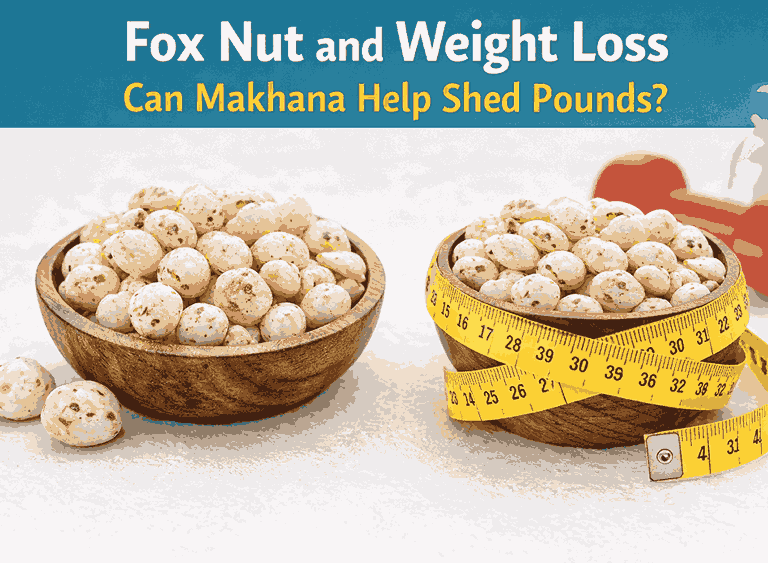
Introduction We’ve all been there. It is 3 PM, the post-lunch slump is real, and your brain is screaming for a snack. On one side of the table sits a bag of greasy potato chips. On the other, a bland rice cake that tastes like cardboard. It feels like you have to choose between flavor and your waistline. (Fox nut) But what if the ultimate weight-loss snack has been hiding in plain sight? The one that offers a satisfying crunch, actual nutritional value, and a clean ingredient list? Meet the Fox Nut. Often overlooked in the Western diet but revered in Eastern wellness traditions for centuries, the humble Fox Nut—also known as Makhana—is rapidly gaining recognition as a secret weapon for weight management fox nut. But in a world flooded with “diet foods” (fox nut) that overpromise and underdeliver, does this puffy seed actually live up to the hype? In this guide, we’ll move beyond the generic “superfood” labels. We’ll explore the nutritional science that makes Fox Nut a superior snack, share unique preparation methods to avoid hidden calories, and explain why this ancient food might just be the modern solution to your (fox nut) snacking struggles. What Is Fox Nut? Fox nut comes from the seeds of the lotus plant. These seeds are harvested, dried, and roasted to create the crunchy snack commonly known as makhana. Fox nuts are widely used in Indian cuisine and are often roasted with spices or used in desserts like kheer. What makes fox nuts special is their low calorie content and high nutritional value, which makes them ideal for people trying to maintain a healthy weight. Fox Nut Nutrition Facts The nutritional profile of fox nuts makes them a smart snack choice for weight loss. Nutrient Amount (per 100g approx.) Calories 340 kcal Protein 9 g Carbohydrates 77 g Fiber 14 g Fat 0.5 g Because phool makhana are low in fat and rich in fiber, they help keep you full for longer periods. Why Fox Nuts Are Good for Weight Loss 1. Low in Calories One of the main reasons fox nuts are good for weight loss is their low calorie density. Compared to fried snacks like chips, phool makhana contain fewer calories, making them a healthier option. Replacing unhealthy snacks with roasted phool makhana can significantly reduce your daily calorie intake. 2. High in Fiber Fiber plays an important role in weight management. It slows down digestion and keeps you feeling full for longer. phool makhana contain a good amount of dietary fiber, which helps reduce hunger and prevents overeating. 3. Good Source of Plant Protein Protein is essential for weight loss because it helps maintain muscle mass and improves metabolism. Fox nuts contain plant-based protein that can help support healthy weight management when combined with a balanced diet. 4. Low Fat Content Unlike many snacks that contain unhealthy fats, phool makhana are naturally very low in fat. This makes them an excellent snack for people who are trying to reduce fat intake. 5. Helps Control Cravings Many people struggle with cravings between meals. Fox nuts can be a great snack option because they are crunchy and satisfying. Eating a small portion of roasted phool makhana can help control hunger and prevent unhealthy snacking. Best Ways to Eat Fox Nuts for Weight Loss To get the maximum benefit, it is important to consume fox nuts the right way. 1. Roasted Fox Nuts Dry roastedphool makhana with a pinch of salt and spices make a healthy snack. 2. Fox Nut Salad Mix roasted fox nuts with vegetables like cucumber, tomato, and onions for a nutritious snack. 3. Fox Nut Trail Mix Combine phool makhana with nuts and seeds for a protein-rich snack. 4. Fox Nut Yogurt Bowl Add roasted fox nuts to yogurt along with fruits for a healthy breakfast option. How Much Fox Nut Should You Eat Daily? Moderation is important when including any food in your diet. Experts generally recommend consuming 30–40 grams of phool makhana per day as a healthy snack portion. Eating too much can increase calorie intake, which may slow down weight loss progress. Fox Nuts vs Other Popular Snacks Here is a simple comparison between fox nuts and other snacks. Snack Calories Fat Weight Loss Friendly Potato Chips High High No Cookies High High No Fox Nuts Moderate Very Low Yes This comparison shows why phool makhana are considered a healthier snack option. Additional Health Benefits of Fox Nuts Apart from weight loss, fox nuts provide several other health benefits: • Support heart health• Improve digestion• Help control blood sugar levels• Rich in antioxidants• Good for bone health Because of these benefits, phool makhana are often considered a superfood snack. Tips for Buying High Quality Fox Nuts When purchasing fox nuts, look for the following qualities: High-quality phool makhana taste better and provide better nutritional value. Conclusion phool makhana are a healthy, nutritious, and satisfying snack that can support weight loss when eaten in moderation. Their low fat content, high fiber levels, and moderate calories make them a better alternative to many processed snacks. However, it is important to remember that no single food can cause weight loss on its own. A balanced diet, regular exercise, and healthy lifestyle habits are essential for sustainable results. Including phool makhana as part of a balanced diet can be a simple and delicious way to move closer to your weight loss goals. Call To Action Have you tried adding Fox Nut to your diet for weight loss? Share your experience in the comments and let us know your favorite fox nut recipe. If you enjoyed this guide, explore more healthy snack articles on our blog.

what-is-fox-nut
Uncategorized

What is Fox Nut? The Ancient Aquatic Seed Taking the Wellness World by Storm

If you’ve scrolled through health food blogs lately or wandered down the “healthy snacks” aisle of your local grocery store, you’ve likely encountered them: light, puffy, white kernels that look like popcorn’s sophisticated cousin. They go by many names—Fox Nut, Lotus Seed, Phool Makhana, or Gorgon nut. At first glance, they seem unassuming. But bite down on a roasted Fox Nut, and you experience a unique sensation: an airy crunch that dissolves into a satisfying, starchy bite. It’s this texture, combined with a neutral, slightly sweet flavor, that has allowed this ancient ingredient to stage a major comeback. But Fox Nut isn’t just a trendy snack. It is a nutritional powerhouse with roots deep in Asian history, spirituality, and traditional medicine. Today, we’re diving deep into the ponds of Eastern Asia to unearth the story of this remarkable seed and discover why it deserves a permanent spot in your pantry. Quick definition: the essentials phool makhana = the popped seed of the aquatic plant commonly known as Euryale ferox (often called gorgon nut or lotus seed in some regions). The raw seeds are hard, white kernels that are popped over heat (similar to popcorn) to become the airy, crunchy snack you recognize. A Nutritional Profile That Packs a Punch Why has phool makhana become the darling of nutritionists? The answer lies in its impressive chemical profile. While many snacks offer empty calories, Makhana offers a complex mix of macronutrients and micronutrients that promote wellness from the inside out. Here is a breakdown of what makes this seed so special: For a visual comparison of how phool makhana stacks up against other common snacks, take a look at the table below: A Culinary Chameleon: From Curries to Desserts One of the most exciting aspects of phool makhana is its versatility. In the West, it is often viewed simply as a savory snack—roasted with olive oil and sea salt. But in its native lands, it is a culinary chameleon. 1. Fox Nut: The Savory Route The classic preparation is simple: heat a teaspoon of ghee (clarified butter) in a pan, add the Fox Nut, and roast until crisp. Sprinkle with black salt and cayenne pepper for a warming, addictive snack that pairs perfectly with a cup of tea on a rainy day.For a more gourmet approach, try tossing them with rosemary and parmesan, or go bold with a chaat masala spice mix. 2. The Thickening Agent Before cornstarch was ubiquitous, Indian cooks used ground Fox Nut (often called Makhana ka atta) as a thickener for curries and gravies, specifically in dishes like Mughlai cuisine or during religious fasts when grains are prohibited. It adds a velvety texture without altering the flavor of the dish. 3. The Dessert (Kheer) Perhaps the most divine use of Fox Nut is in Makhana Kheer. The puffs are simmered gently in milk, sugar, and cardamom until they soften slightly but retain a bit of their bite. They absorb the creamy, sweet liquid, becoming tender dumplings in a rich, aromatic pudding. It is a staple dessert during festivals like Navratri. Personal Insight: I first experienced Fox Nut not as a snack, but as a dessert at a small eatery in Varanasi. The vendor slowly simmered the Makhana in reduced milk, topping it with slivers of pistachio. The texture was otherworldly—soft on the outside with a gentle chew in the center. It wasn’t until years later, seeing them in their raw, crunchy form at a health food store, that I made the connection. It was a powerful reminder that the same ingredient can be a crunchy, savory chip in one context and a luxurious, creamy pudding in another. How to Select and Store Fox Nut To get the most out of your Fox Nut experience, you need to start with a quality product. The Future of Fox Nut in the Global Market The global trajectory for Fox Nut is pointing sharply upward. As the demand for plant-based, gluten-free, and clean-label snacks explodes, this humble aquatic seed is perfectly positioned to become a global staple. According to market research reports, the Fox Nut processing industry is undergoing a massive transformation. What was once a manual, household-level trade is now attracting investment for mechanized processing units. Companies are experimenting with exciting flavors—from Tangy Tomato to Wasabi—to appeal to international palates while retaining the seed’s inherent health benefits. Furthermore, because it is cultivated in water, Fox Nut farming has a lower carbon footprint compared to many land-based crops and requires minimal pesticides. As consumers become more eco-conscious, the sustainability factor of Fox Nut will only add to its appeal. Conclusion: Embrace the Crunch So, what is Fox Nut?Fox Nut carries the calm of the pond and the energy of a fresh harvest. It offers a crunchy snack that satisfies cravings without the guilt of processed oils. For centuries, people have valued it as a medicinal food, and today science recognizes it as a modern superfood. Enjoy Fox Nut as a crunchy evening snack, a creamy dessert, or a natural thickener in soups and stews. This humble seed beautifully connects ancient wisdom with modern healthy living. Have you tried cooking with Fox Nut? Have a favorite Fox Nut recipe? Share it in the comments—we’d love to know how you enjoy this incredible ingredient. For more nutritious discoveries, explore our guide to other ancient grains making a comeback.

fox-nuts
Uncategorized

10 Powerful Benefits of Fox Nut: Why This Ancient Snack is a Modern Superfood

I still remember the first time I consciously tried Fox Nut. It was a rainy evening at my grandmother’s house, and she placed a steel bowl filled with what looked like tiny, white popcorn puffs in front of me. “She suggested choosing these as a healthier alternative to chips. I was skeptical. They looked bland, and I assumed they would taste like cardboard. One bite changed my mind. The texture was unlike anything else—incredibly light, yet satisfyingly crunchy. That was my introduction to Makhana, a ingredient that has silently been a staple in Indian households for centuries and is now finally getting the global recognition it deserves. In the West, you might know it as phool makhana , or by its scientific name, Euryale ferox. Harvested from the seeds of the prickly water lily, these nuts are foraged from ponds and then roasted to perfection. But beyond their delightful crunch lies a nutritional profile that rivals most modern superfoods. If you are looking for a snack that tastes good, fits every diet, and actually heals your body from the inside out, you need to know about phool makhana. Here are 10 transformative benefits of this ancient seed, backed by tradition and science. 1. Fox nut : The Ultimate Guilt-Free Snack for Weight Management Let’s address the biggest struggle of healthy living: snacking. We all crave that crunchy, savory bite at 4 PM. Potato chips and pretzels are loaded with empty calories and refined flours. Enter phool makhana. One of the most celebrated benefits of phool makhana is its incredibly low-calorie density combined with high volume. A full bowl of roasted phool makhana contains a fraction of the calories found in a handful of almonds or cashews. Moreover, phool makhana is rich in dietary fiber. Fiber is crucial for weight loss because it slows down digestion, keeping you fuller for longer. When you feel full, you are less likely to reach for that second (or third) cookie. By replacing high-fat, processed snacks with roasted phool makhana, you are essentially tricking your brain into thinking you’re indulging, while actually supporting a caloric deficit. 2. A Powerful Antioxidant Bomb Aging and disease are largely driven by oxidative stress caused by free radicals. The good news? Fox Nut is packed with antioxidants, specifically flavonoids and phenolic acids. Research suggests that the high concentration of these compounds in phool makhana helps neutralize these harmful free radicals. Regular consumption can help combat premature aging, reduce inflammation, and protect your cells from damage. In a world where we are constantly exposed to pollution and stress, eating a handful of phool makhana daily is a simple way to bolster your body’s natural defenses. 3. The Secret to Glowing Skin and Anti-Aging This benefit is personal for me. After eating phool makhana consistently for a few months, I noticed a change in my skin’s texture. It looked less dull and more “bouncy.” This isn’t a coincidence. Because phool makhana is rich in two specific compounds—Kaempferol and quercetin (powerful antioxidants)—it helps slow the breakdown of collagen. Collagen is the protein that helps keep the skin strong, firm, and elastic. Additionally, the presence of catalase and glycosides in phool makhana helps protect the skin from UV damage and environmental aggressors. If you want beauty from within, skip the expensive serums for a moment and add phool makhana to your diet. 4. Fox Nut : A Heart-Healthy Ally Heart problems remain one of the biggest health risks worldwide. Diet plays a massive role in heart health, and phool makhana is a heart-friendly food in two major ways. First, it is low in sodium and high in potassium. Potassium acts as a vasodilator, meaning it helps relax blood vessels and lowers blood pressure. Second, Fox Nut is low in saturated fat and contains no cholesterol. By using roasted Fox Nut as a snack, you are actively choosing a food that supports cardiovascular function rather than clogging your arteries. 5. Regulates Blood Sugar Levels For those managing diabetes or insulin resistance, finding safe snacks is a constant battle. Fox Nut has a low Glycemic Index (GI). This means that when you consume it, it does not cause a rapid spike in your blood sugar levels. The fiber content once again plays a hero here, as it slows the absorption of sugar into the bloodstream. Furthermore, Fox Nut contains compounds that may stimulate the release of insulin. While it is not a replacement for medication, incorporating Fox Nut into a diabetic diet provides a safe, crunchy alternative to high-carb snacks that can destabilize glucose levels. 6. Rich in Protein for Muscle Repair In the world of plant-based nutrition, protein is king. While Fox Nut isn’t as protein-dense as soy or legumes, it offers a respectable amount of high-quality protein relative to its calorie count. Protein is essential for repairing muscle tissue, producing enzymes, and maintaining overall body function. For vegetarians and vegans, phool makhana serves as an excellent supplementary protein source. Tossing a handful into your trail mix or enjoying it as a post-workout snack can aid in muscle recovery without the heaviness of animal proteins. 7. Fox nut : Lactation Support for New Mothers This is a benefit deeply rooted in traditional medicine, particularly in Ayurveda and Chinese practices. For centuries, new mothers have been encouraged to eat phool makhana to promote lactation and regain strength after childbirth. Why? phool makhana is believed to have a calming effect on the nervous system (which helps with postpartum stress) and is rich in calcium and iron. The high calcium content is vital for breast milk production. A traditional remedy involves cooking phool makhana powder with milk and sugar to create a nutritious, warming porridge for nursing mothers. It helps replenish energy levels while supporting milk supply. 8. Contains Essential Minerals (Calcium, Magnesium, and Iron) We often focus on macronutrients like protein and fat, but micronutrient deficiencies are rampant. Fox Nut is a mineral powerhouse. 9. A Gluten-Free Grain Alternative With the rise of celiac awareness and gluten sensitivity, many people are searching for safe grains and flours. phool makhana is naturally gluten-free. You can grind raw phool makhana into a fine flour to be used as a thickener in soups, or as a binding agent in gluten-free baking. It is far more nutrient-dense than refined white flour or cornstarch.

fox-nut
Health

Fox Nut for Weight Management and Heart Health

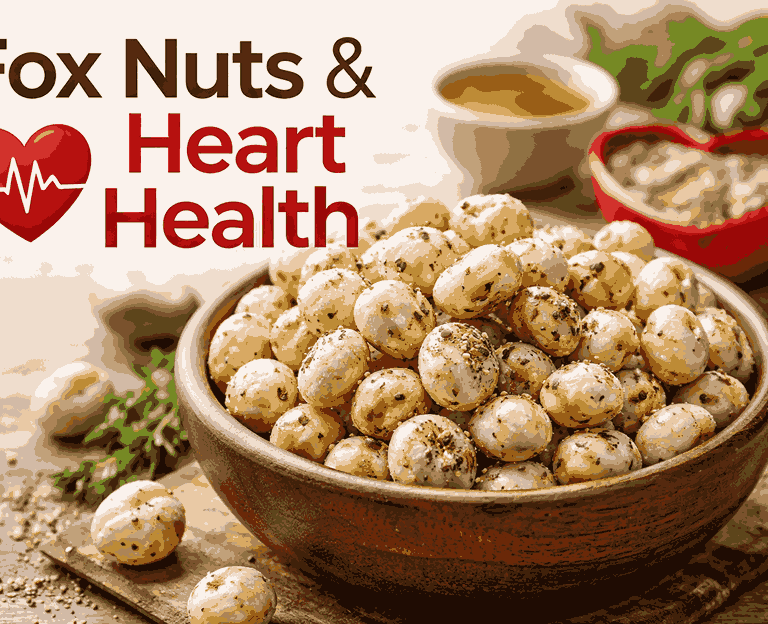
Introduction: Can a Simple Snack Transform Your Health? What if the snack you reach for during tea time could actually support your fitness goals and protect your heart? That’s where Fox Nut enters the conversation. Known traditionally as makhana, phool makhana has been part of Indian households for centuries. But today, it’s gaining global attention as a functional super snack. Unlike processed chips or fried namkeen, Fox Nut offers crunch without guilt — and science is beginning to support what Ayurveda always believed. In this article, we’ll explore how phool makhana supports weight management and heart health, compare it with other snacks, and uncover practical ways to include it in your routine. What Is Fox Nut? Fox Nut comes from the seeds of the lotus plant (Euryale ferox). It is widely cultivated in Bihar, which produces nearly 80–90% of India’s supply. After harvesting, the seeds are dried, roasted, and popped — creating the light, airy snack we recognize. Nutritional Profile of Fox Nut Before discussing weight and heart benefits, let’s look at its nutrition per 100g (approximate values): 📌 Key Insight: phool makhana delivers protein and fiber with extremely low fat compared to common snacks. How Fox Nut Supports Weight Management 1) Low-Calorie, High Satiety Snack Weight management is not just about eating less — it’s about feeling full longer. Fiber slows digestion, helping you feel satisfied. According to research from Harvard T.H. Chan School of Public Health, fiber-rich foods improve satiety and support weight control. When roasted without excess oil, becomes a smart evening snack instead of calorie-dense alternatives. 2) Low Glycemic Index for Stable Blood Sugar Stable blood sugar = fewer cravings. Fox Nut has a relatively low glycemic index, meaning it releases energy slowly. This helps: This makes it particularly useful for people managing weight or insulin resistance. 3) Mindful Snacking Advantage Here’s something often ignored: texture affects eating speed. Fox Nut is crunchy but light. You chew more, eat slower, and feel satisfied with smaller portions. Compared to chips that encourage overeating, phool makhana promotes mindful eating. How Fox Nut Supports Heart Health Heart disease remains one of the leading global health concerns. Diet plays a major role. 1) Extremely Low Fat Content Unlike fried snacks loaded with trans fats, phool makhana is naturally low in fat. According to the World Health Organization, reducing unhealthy fat intake lowers cardiovascular risk. Plain roasted phool makhana aligns well with heart-friendly eating patterns. 2) Rich in Magnesium Magnesium helps regulate: phool makhana contains magnesium, which supports cardiovascular function. Research from American Heart Association suggests magnesium-rich diets are linked to improved heart outcomes. 3) Antioxidant Properties Fox Nut contains natural antioxidants such as flavonoids. Antioxidants help reduce oxidative stress — one of the contributors to artery damage and heart disease. While phool makhana isn’t a miracle cure, it contributes positively to a heart-friendly diet when combined with fruits, vegetables, and whole grains. Fox Nut vs Other Popular Snacks Let’s compare practical scenarios. Evening Tea Snack Comparison Conclusion: Fox Nut stands out as a cleaner, lighter alternative. Simple Ways to Use Fox Nuts for Weight and Heart Health Instead of just saying “eat makhana,” here are strategic ways: 1. fox nut :-Replace Evening Junk Swap chips with dry roasted phool makhana (no added sugar, minimal salt). 2. fox nut :-Spice Smartly Use: Avoid heavy butter or caramel coatings if weight loss is your goal. 3. fox nut :-Add to Salads Crushed phool makhana works like croutons — but healthier. 4. fox nut :-Post-Workout Light Snack Because it’s light and easy to digest. A Fresh Perspective: Why Fox Nut Works in Real Life Many “healthy snacks” fail because they don’t satisfy cravings. phool makhana succeeds because: This psychological satisfaction is often overlooked in diet discussions. When people switch to phool makhana, compliance improves — and consistency is the real secret of weight and heart health. Portion Control Matters Even healthy snacks can cause weight gain if overeaten. Recommended portion: 25–30 grams per serving (about one small bowl) Pair it with: Who Should Be Careful? Always choose plain or lightly seasoned versions. The Bigger Picture: Fox Nut in a Balanced Lifestyle phool makhana alone won’t cause weight loss or prevent heart disease. But when combined with: It becomes a powerful part of a sustainable lifestyle. Conclusion: Is Fox Nut Worth Adding to Your Diet? If you’re looking for a snack that supports weight management and heart health, phool makhana is one of the smartest traditional options available. It is:✅ Low in fat✅ Moderate in protein✅ Rich in minerals✅ Crunchy and satisfying✅ Easy to include daily Instead of chasing expensive imported “superfoods,” sometimes the answer lies in traditional wisdom backed by modern science. Suggested Visuals for Your Blog Internal Linking Suggestions (For Your Website) You can internally link to: Call to Action Are you already including Fox Nut in your diet?Drop a comment and share your favorite recipe! If you’re looking for premium-quality roasted makhana, explore trusted sources and choose clean, minimally processed options.

fox-nut-snacks
Uncategorized

Fox Nut Snack: The Ancient Seed That Became a Modern Munch

We’ve all been there. It’s 3:00 PM. The “after-lunch slump” has hit, and your hand is hovering over the office vending machine, caught between a bag of greasy potato chips and a sugar-laden granola bar. You want something crunchy. You want something satisfying. But you don’t want the guilt. fox nut snack Enter the hero of this story: Fox Nut Snacks. If you haven’t yet jumped on this bandwagon, you might be wondering what all the fuss is about. At first glance, they look like tiny, white popcorn balls or abstract pieces of styrofoam. But one bite reveals a light, airy crunch that shatters into a nutty, slightly sweet flavor that is surprisingly addictive. But why are people—from yoga instructors in California to office workers in London—replacing their almonds and popcorn with these puffed up seeds? It isn’t just a trend; it’s a return to ancient wisdom, packaged for modern convenience. Let’s crack open the story of Fox Nut Snacks and find out why that satisfying crunch is actually the sound of your snack game leveling up. What Exactly Are Fox Nuts? Before we dive into the “why,” let’s clarify the “what.” Despite the name, Fox Nuts aren’t nuts at all. They are the seeds of the Euryale ferox plant, a giant water lily native to ponds and wetlands in India and East Asia. In their raw form, they are harvested, dried, and then roasted until they pop—much like popcorn. In India, they are traditionally known as Makhana and have been a staple food for centuries, particularly during religious fasting periods. However, the modern iteration—FoxNutSnack—takes this humble ingredient and elevates it with gourmet seasonings, transforming it from a fasting food into a mainstream superfood snack. Fox nut snack:-The Nutritional Heavyweight Profile So, why do people reach for a bowl of these instead of a bag of chips? In a world where we are finally waking up to the dangers of empty calories, FoxNutSnack offer a profile that is incredibly hard to beat. 1. FoxNutSnack :-The Calorie-Crunch Ratio We often equate “crunchy” with “fattening.” Think about it: French fries, fried chicken skins, tortilla chips. They are all vehicles for oil. Fox nuts flip the script. When you roast them, they puff up, meaning you get a massive volume of food for a relatively low number of calories. You can eat a bowl full of these and feel like you’ve had a feast, without consuming the caloric load of a handful of cashews. 2. FoxNutSnack :A Heart-Healthy Crunch One of the biggest draws for health-conscious consumers is the impact on heart health. 3.Fox Nut Snack :Gluten-Free and Guilt-Free With the rise of gluten sensitivities and celiac awareness, finding satisfying, crunchy gluten-free snacks has been a challenge. FoxNutSnack are naturally gluten-free. They offer that wheat-based cracker texture without any of the wheat. Fox Nut Snacks vs. Other Popular Snacks Before understanding why people eat Fox Nut Snacks, let’s compare them to typical snack options. 📊 Nutritional Comparison Table Source references: Nutritional data supported by resources like the USDA FoodData Central and peer-reviewed nutrition journals discussing lotus seeds. This comparison alone explains a big part of the trend: people want healthier alternatives without sacrificing crunch. Why Do People Eat Fox Nut Snacks? Now let’s break it down into deeper insights. 1️⃣Fox nut snack: They’re a Smart Weight Management Snack One major reason people choose Fox Nut Snacks is portion control. Because they are: They help reduce overeating. According to research published in the Journal of Food Science and Technology, lotus seeds contain compounds that may support metabolism and digestive health. Fiber helps slow down digestion, which can make you feel full for a longer time. So instead of reaching for chips, many health-conscious individuals switch to Fox Nut Snacks. 2️⃣ Foxnutsnack :Naturally Gluten-Free & Easy to Digest For people with gluten sensitivity or those following a gluten-free diet, Fox Nut Snacks are a safe option. Unlike wheat-based snacks: This digestive comfort factor makes them appealing across age groups—from children to elderly consumers. 3️⃣ Foxnutsnack:-Cultural & Religious Significance Fox Nut Snacks are not just about health—they are deeply cultural. In India: This spiritual connection gives Fox Nut Snacks emotional value, not just nutritional value. Many global consumers are now discovering this heritage angle through Indian cuisine trends. 4️⃣Foxnutsnack:- Rich in Plant-Based Nutrients Fox Nut Snacks contain: Research has shown that lotus seeds contain flavonoids and other antioxidants that may help fight oxidative stress. This makes them attractive to: They align well with plant-based lifestyle choices. 5️⃣ Foxnutsnack :-Low Oil, High Crunch One underrated reason people eat Fox Nut Snacks is simple: 👉 They satisfy the craving for crunch. Crunch is psychologically satisfying. Studies in food psychology show that crunchy textures trigger stronger sensory satisfaction compared to soft foods. Fox Nut Snacks provide that same crisp texture as fried snacks—but with much less oil. That’s a big win. A Personal Perspective: Why I Switched to Fox Nut Snacks Let’s be honest—most of us don’t change snacks because of nutrition charts. We change because we feel the difference. Many people report: In my own observation (and from talking to small snack business owners), customers often say they switched after feeling sluggish from fried snacks. Fox Nut Snacks feel lighter. And that feeling builds loyalty. Are Fox Nut Snacks Really That Healthy? Let’s clarify something important. They are healthy when roasted, not deep-fried or sugar-loaded. ⚠️ Watch Out For: Always check: Healthy snacking depends on preparation method. Global Rise of Fox Nut Snacks Healthy snack products are gaining popularity, and the global market continues to grow. Market research shows a growing global demand for plant-based snack options. Fox Nut Snacks fit perfectly into: Brands are now marketing makhana as a “superfood popcorn alternative.” And consumers are responding. Visual Breakdown: Why People Prefer Fox Nut Snacks An infographic comparing: Traditional makhana harvesting in ponds (to highlight authenticity and origin story). Visual storytelling builds trust and improves retention. Psychological Reasons People Choose Fox Nut Snacks This part is rarely discussed. 🧠 1. Fox nut snack:Guilt-Free Eating People feel less guilty

makhana-seeds
Uncategorized

What Are Makhana Seeds?

Makhana seeds are the seeds of the lotus plant that grow in water. They are commonly known as makhana or fox nuts. In India, the highest production of makhana takes place in the state of Bihar. Makhana seeds are round, light in weight, and white in color. They are considered a healthy and light snack. Makhana are also important during fasting, festivals, and religious ceremonies. Nowadays, health-conscious people include makhana in their daily diet. How Are Makhana Seeds Cultivated? Makhana seeds are not grown like normal crops on dry land. They are cultivated in ponds or water-filled fields. That is why makhana farming is different and requires more effort. First, farmers prepare ponds or water-filled fields. Then makhana seeds are sown in water. After some time, the plant starts growing, and its large leaves spread over the surface of the water. When the plant fully grows, flowers appear. These flowers naturally produce makhana seeds. After ripening, the seeds fall into the water. Workers collect the makhana by entering the pond. How Are Makhana Seeds Prepared? After farmers take makhana seeds out of the pond, they are not ready to eat.They go through several steps before becoming edible. 1. Cleaning and Drying First, workers properly clean the makhana. Then they dry them in sunlight to remove moisture. 2. Roasting Workers roast the dried makhana over high heat. This creates pressure inside the seeds. 3. Popping Workers crack the roasted makhana using a wooden hammer or a machine. When cracked, the white edible part comes out. This is the makhana that we eat. This whole process requires skill and experience. Experts consider makhana seed preparation a specialized skill. The Growing Timeline: A Step-by-Step Look Phase 1: Dormancy and Preparation (Winter: November – February) The Makhana cycle begins in the winter. The seeds (or previous harvest remnants) lie dormant at the bottom of the pond. Farmers prepare the pond bed by clearing weeds and ensuring the water level is appropriate. However, active growth has not yet begun. Phase 2: Germination and Seedling Stage (Spring: March – April) As the water temperature begins to rise in early spring, the dormant seeds naturally start to germinate. This is the true start of the growth period. Phase 3: Vegetative Growth (Summer: May – June) This is the phase where the plant establishes dominance. The giant, prickly lily pads spread across the surface of the water, requiring a lot of sunlight and space. Phase 4: Flowering and Fruiting (Monsoon: July – September) This is the most critical phase for the harvest. Once the plant is mature, it begins to flower. Phase 5: The Transformation (Post-Harvest) The timeline does not end with picking the fruit. Once collected, the seeds undergo a rigorous post-harvest process to become the edible makhana: Summary of the Timeline (makhana seeds) Factors That Affect Growth The timeline mentioned above is ideal. However, several factors can delay or accelerate the process: In conclusion, growing makhana is a testament to patience. From a dormant seed in winter to a popped snack on your plate, the journey takes the better part of a year, requiring the skill and dedication of farmers who work in some of the most challenging aquatic conditions. Nutritional Value of Makhana Seeds Makhana seeds contain many important nutrients, such as: Because of these nutrients, makhana seeds are considered a healthy food option. Benefits of Makhana Seeds 1. Helps in Weight Control makhana seeds Makhana seeds are low in calories and fat, which helps in managing weight. 2. Good for Heart Health Makhana seeds contain low sodium and good amounts of magnesium, which are helpful for heart health. 3. Good for Digestion Makhana seeds contain fiber, which improves digestion. 4. Provides Energy Eating makhana seeds gives quick energy and reduces tiredness. Importance of Makhana Seeds in India In India, makhana seeds are mainly grown in Bihar. Thousands of farmers in Bihar depend on makhana seeds farming for their livelihood. Today, the demand for makhana seeds is increasing not only in India but also in other countries. That is why the makhana seeds business is growing rapidly. Conclusion Makhana seeds are natural, nutritious, and tasty seeds that grow in water. They take about 4–5 months to grow and require a lot of effort to prepare. Because of their health benefits, makhana seeds have become popular among people of all age groups. If you want a light and healthy snack, makhana seeds can be a great choice. In Which Districts of Bihar Are Makhana Seeds Grown? The highest production of makhana seeds in India takes place in Bihar. The climate and large number of ponds make it suitable for makhana farming. Major districts of Bihar where makhana seeds are grown: Important Note The Mithilanchal and regions of Bihar are especially famous for makhana seeds production because of the large number of ponds and water-rich areas.

Phoolmakhana-Benefits-for-Weight-and-Heart-Health
Uncategorized

Phool Makhana: A Healthy Super Snack Every Home Should Have

Today, many people want to avoid unhealthy chips and fried snacks. But the big question is — what is a healthy alternative? This is where phoolmakhana becomes a perfect choice. Light, crunchy, and packed with nutrition, phool makhana is not just a fasting food but a powerful superfood. If you want to manage weight, support heart health, or control blood sugar, phoolmakhana deserves a place in your diet. In this article, we will understand what phoolmakhana is, its benefits, and how you can include it in your daily routine. What Exactly Is PhoolMakhana? Despite its trendy “superfood” label, phoolmakhana is anything but new. Derived from the seeds of the Euryale ferox plant—a species of water lily native to Asia—these seeds are harvested from stagnant water bodies, typically ponds and wetlands. The process of turning a hard, dark seed into a light, crunchy snack is an art form. Traditionally, the seeds are roasted in a furnace at high temperatures. The heat causes the moisture inside to expand rapidly, causing the kernel to puff up—much like popcorn. This is why it’s often referred to as “fox nut” or “gorgon nut.” In India, particularly in the state of Bihar, makhana cultivation is not just an agricultural activity; it is a legacy. For generations, farmers have waded through chilly waters to collect these seeds, a practice that is now being recognized by geographical indication (GI) tags to protect this indigenous crop.India is one of the largest producers of makhana, especially the state of Bihar, which is often called the hub of makhana production. PhoolMakhana vs Regular Snacks (Comparison Table) From this comparison, it is clear that phool makhana is a smarter snacking option. 10 Powerful Benefits of phool Makhana 1. Phool makhana Supports Weight Loss Phool makhana is low in calories and high in fiber. It keeps you full for a longer time and helps control overeating. If you go to the gym or follow a diet plan, roasted makhana can be a perfect evening snack. 2. Phool makhana Good for Heart Health It contains low sodium and a good amount of magnesium, which helps in maintaining healthy blood pressure levels. Regular consumption may support overall heart health. 3. Helpful for People with Diabetes Phool makhana has a low glycemic index. This means it does not cause a sudden spike in blood sugar levels. People with diabetes can include it in moderate amounts (consult a doctor if needed). 4. phool makhana Good Source of Plant Protein For vegetarians, protein options can be limited. Phool makhana provides a decent amount of plant-based protein. 5. phool makhana Anti-Aging Properties It contains antioxidants that protect the body from free radicals. This helps maintain healthy skin and may slow signs of aging. 6. phool makhana Strengthens Bones Due to the presence of calcium and phosphorus, phool makhana can support strong bones. 7. phool makhana Beneficial During Pregnancy It is a light and nutritious snack option during pregnancy. However, it is always best to consult a doctor before making dietary changes. 8. phool makhana Improves Digestion The fiber content helps in better digestion and may reduce constipation problems. 9. Phool makhana Boosts Energy Feeling tired in the afternoon? Instead of fried snacks, try a handful of roasted phool makhana for a natural energy boost. 10. phool makhana Perfect for Fasting Phool makhana is widely consumed during fasting periods like Navratri. It is filling, light, and nutritious. Nutritional Value of Phool Makhana (Approx. per 100g) Nutrient Approximate Quantity Calories 350 kcal Protein 9–10 g Carbohydrates 75 g Fat 0.5 g Fiber 7–8 g Calcium Good Amount (Note: Exact values may vary depending on brand and processing method.) Phool Makhana vs. The Modern Diet Culture We live in an era of dietary extremes—keto, vegan, paleo. It can be exhausting trying to find a food that fits all these boxes. Interestingly, phool makhana stands out as one of the rare ingredients that meets almost every key nutritional and lifestyle need. Feature Phool Makhana Potato Chips Almonds Calories (per 30g) ~100-110 ~160-170 ~170-180 Fat Content Low (Good Fats) High (Unhealthy Fats) High (Healthy Fats) Primary Use Snack/Thickener Snack Snack/Topping Shelf Life Long (if kept dry) Moderate Long Cost Efficiency Moderate Low High As the table shows, makhana sits perfectly in the middle. It is lighter than nuts (which can be expensive and calorie-dense) but infinitely healthier than processed chips. How to Eat Phool Makhana? 1. Simple Roasted Snack Roast in a small amount of ghee or olive oil. Add salt or black pepper for taste. 2. Makhana Kheer Cook with milk and dry fruits to make a healthy dessert. 3. Makhana Chaat Mix with chopped onions, tomatoes, and lemon juice for a healthy, tangy snack. 4. Powder Form Grind into powder and mix with milk for children. Why is Phool Makhana Becoming a Trending Superfood? Today’s health-conscious generation prefers clean and natural foods over processed snacks. Plant-based and gluten-free foods are gaining popularity. Phool makhana is: That is why many fitness trainers and diet experts recommend it as a healthy snack. What to Check Before Buying Phool Makhana? ✔ Choose medium or large-sized pieces✔ Color should be white✔ No bad smell✔ Should feel light and crunchy Avoid makhana that looks yellowish, sticky, or smells bad. Can You Eat Phool Makhana Daily? Yes, but in moderation. Around 30–50 grams per day is enough. Eating too much may increase overall calorie intake. Conclusion: Is Phool Makhana Really Healthy? The simple answer is — Yes. Phool makhana is a natural, light, and nutrient-rich snack. It supports weight management, heart health, digestion, and blood sugar control. If you want to avoid unhealthy snacks, start including phool makhana in your daily diet. How to Buy and Store Makhana With the rise in popularity, you will find phool makhana in almost every supermarket and online store. However, quality varies. A Simple Recipe to Fall in Love If you are ready to try phool makhana but don’t know where to start, here is my foolproof “Magic Masala Makhana” recipe that converts even the biggest skeptics. Ingredients: Instructions: Conclusion Phool

benefits of fox nut
Food / Recipe Topics

Fox Nuts Benefits: Why This Ancient Superfood Deserves a Modern Comeback

If you’re searching for fox nuts benefits, you’re not alone. Once a humble fasting snack in Indian households, fox nuts—also known as makhana—are now making their way into fitness meal plans, vegan recipes, and even global health stores. But are they truly a “superfood,” or just another trendy snack? In this in-depth guide, we’ll explore fox nuts benefits through research-backed insights, compare them with other popular snacks, and uncover why nutritionists are increasingly recommending them. Whether you want to manage weight, improve heart health, or find a guilt-free snack, this article will help you decide if fox nuts deserve a place in your kitchen. What Are Fox Nuts? Fox nuts come from the seeds of the Euryale ferox plant, a water lily cultivated mainly in India and parts of East Asia. In India, especially Bihar, makhana farming is a significant industry. They are roasted and consumed as a crunchy snack, added to curries, or ground into flour. Unlike processed snacks, fox nuts are minimally processed—often just sun-dried and roasted. Fox Nuts Benefits vs Other Popular Snacks Before diving deeper, let’s compare fox nuts with other commonly consumed snacks. Nutritional Comparison (Per 100g) Nutrient Fox Nuts (Makhana) Potato Chips Almonds Calories ~347 kcal ~536 kcal ~579 kcal Protein 9–10 g 7 g 21 g Fat 0.1–1 g 35 g 50 g Fiber 7–8 g 4 g 12 g Glycemic Index Low High Low Key Insight:Fox nuts are low in fat and moderate in protein, making them lighter than almonds and far healthier than fried snacks like chips. Top 10 Science-Backed Fox Nuts Benefits Let’s break down the most important fox nuts benefits supported by research and nutritional science. 1. Supports Weight Loss If you’re trying to lose weight without starving yourself, fox nuts are a smart option. Why? Fiber keeps you full longer and reduces overeating. According to the Harvard T.H. Chan School of Public Health, high-fiber foods help regulate appetite and stabilize blood sugar levels. Practical Tip:Roast fox nuts with a pinch of rock salt and turmeric for a healthy evening snack instead of biscuits or namkeen. 2. Excellent for Heart Health One of the most impressive fox nuts benefits is their heart-friendly profile. They are: Magnesium plays a key role in maintaining healthy blood pressure. The American Heart Association highlights magnesium as essential for cardiovascular function. Because fox nuts are naturally low in sodium (unless heavily salted), they help reduce hypertension risk when eaten in moderation. 3. Good for Diabetics Fox nuts have a low glycemic index, meaning they release sugar slowly into the bloodstream. This helps: Nutrition experts often recommend makhana as a safe snack for people managing Type 2 diabetes. 4. Rich in Antioxidants Fox nuts contain flavonoids and other antioxidants. Antioxidants help: Chronic inflammation is linked to diseases like arthritis, heart disease, and even certain cancers. Including antioxidant-rich foods like fox nuts may reduce these risks. 5. High in Plant-Based Protein While not as protein-dense as almonds, fox nuts provide moderate plant protein. For vegetarians and vegans, they serve as: Try mixing fox nuts with roasted chickpeas for a protein-rich trail mix. 6. Improves Digestive Health Fiber plays a crucial role in gut health. Fox nuts contain both soluble and insoluble fiber. Benefits include: A healthy gut supports immunity, mental health, and overall metabolism. 7. Gluten-Free and Allergy-Friendly Unlike wheat-based snacks, fox nuts are: For people with gluten intolerance or celiac disease, fox nuts are a safe snack alternative. 8. May Support Anti-Aging Traditional Ayurvedic medicine associates makhana with anti-aging properties. Modern research suggests their antioxidant content may: While they’re not a miracle cure, consistent inclusion in a balanced diet may support long-term skin health. 9. Supports Bone Health Fox nuts contain calcium and phosphorus—two essential minerals for bone strength. They may help: Pairing fox nuts with vitamin D-rich foods enhances calcium absorption. 10. Boosts Energy Naturally Because fox nuts provide complex carbohydrates, they release energy slowly. This makes them ideal for: Unlike sugary snacks, they don’t cause an energy crash. Unique Perspective: Why Fox Nuts Are More Than Just a Snack Here’s something rarely discussed: fox nuts combine tradition and modern nutrition. In many Indian households, makhana is consumed during religious fasting—not just for ritual reasons, but because it provides sustained energy without heaviness. In today’s fast-paced world, we often chase expensive imported “superfoods” like quinoa and chia seeds. Yet fox nuts—locally grown and affordable—offer similar benefits. Sometimes, the healthiest foods are already part of our cultural heritage. How to Add Fox Nuts to Your Diet You don’t have to eat them plain. Try these ideas: 🥣 Breakfast 🥗 Lunch 🍿 Evening Snack 🍰 Dessert Are There Any Side Effects? Fox nuts are generally safe. However: Moderation is key. Key Takeaways at a Glance Visual Infographic Idea 📸 You can add: These visuals improve reader retention and reduce bounce rate. Conclusion: Should You Start Eating Fox Nuts? After analyzing all major fox nuts benefits, the answer is clear—they are one of the healthiest traditional snacks available. They’re not a magic solution, but when combined with: Fox nuts can support weight management, heart health, and overall wellness. Instead of reaching for processed snacks, consider keeping a jar of roasted fox nuts nearby. Small changes often create the biggest health transformations. Call to Action Have you tried incorporating fox nuts into your daily diet? Share your experience in the comments below! If you found this guide helpful, explore our related article on healthy Indian snacks for weight loss and discover more smart nutrition tips. And don’t forget to subscribe for science-backed wellness insights delivered straight to your inbox.

makhana-benefits
Uncategorized

Makhana Benefits: Why Fox Nuts Are a Powerful Superfood for Your Health?

Makhana, also known as fox nuts or lotus seeds, is one of the most nutritious and traditional superfoods in India. These small, white, puffed seeds come from the lotus plant and have been used in Ayurveda and Indian households for centuries. Today, makhana is gaining global popularity because of its impressive health benefits, low-calorie profile, and high nutritional value. If you are looking for a healthy snack alternative that supports weight loss, heart health, and overall wellness, makhana can be a perfect choice. Let’s explore the powerful benefits of makhana, including the Makhana Benefit, in detail. Additionally, understanding the various Makhana Benefit can enhance your daily nutrition. .Rich in Nutrients The Makhana Benefit is evident as it aids in providing essential nutrients. 1. MakhanaBenefit: A Nutrient Powerhouse Makhana is packed with essential nutrients. It contains: Unlike many processed snacks, makhana is naturally low in fat and calories. A handful of roasted makhana provides energy without adding excessive calories to your diet. This makes it an ideal snack for people of all age groups. 2.Excellent for Weight Loss One of the biggest benefits of makhana is its role in weight management. It contains fewer calories and is rich in fiber, helping you stay satisfied and full for a longer duration. When you feel full, you are less likely to overeat or crave unhealthy snacks. Makhana also has a low glycemic index, which means it releases sugar slowly into the bloodstream. This helps in controlling hunger and maintaining stable energy levels throughout the day. If you are trying to lose weight naturally, replacing fried snacks with roasted makhana can make a big difference. 3.Makhana benefits: Good for Heart Health Heart health is a major concern today.Makhana is a good source of magnesium and potassium, which support healthy blood pressure levels. These minerals support proper blood circulation and reduce the risk of heart-related problems. The Makhana Benefit also extends to helping you manage your weight effectively. It is also low in sodium and saturated fat, making it a heart-friendly snack option. Regular consumption of makhana in moderate 4.Makhana benefits Helps Control Blood Sugar Furthermore, the Makhana Benefit is crucial for heart health. Makhana is beneficial for people with diabetes or those who want to maintain stable blood sugar levels. Its low glycemic index ensures that blood sugar does not spike suddenly after eating. The fiber content in makhana slows down digestion and helps in better sugar absorption. This makes it a safer snack choice compared to sugary or refined carbohydrate foods. Knowing the Makhana Benefit can help individuals maintain stable energy levels. Another significant Makhana Benefit is its ability to regulate blood sugar levels. However, it is best to consume plain roasted makhana instead of flavored varieties that may contain added sugar or salt. 5.Supports Digestive Health Makhana is easy to digest and gentle on the stomach. It contains fiber, which helps improve bowel movement and prevents constipation. The Makhana Benefit is especially noteworthy for those with digestive issues. In traditional Indian medicine, makhana is considered beneficial for people with weak digestion. It can soothe the stomach and improve gut health when consumed regularly in balanced portions. 6.High in Antioxidants Regular consumption can amplify the Makhana Benefit for bones and teeth. Antioxidants help defend the body against damage caused by harmful free radicals. Makhana is rich in natural antioxidants that help reduce oxidative stress. Oxidative stress can lead to aging, inflammation, and various chronic diseases. By including makhana in your daily diet, you may help your body fight cell damage and maintain healthy skin and organs. 7.Makhana benefits: Good for Bones and Teeth Makhana contains calcium and magnesium, which are essential for strong bones and teeth. Regular intake can support bone density and reduce the risk of bone-related issues as you age. This makes makhana especially beneficial for growing children, adults, and elderly people who need extra calcium in their diet. Those seeking natural energy will find the Makhana Benefit particularly advantageous. 8.Makhana benefit :Boosts Energy Naturally Unlike sugary snacks that give quick energy followed by a crash, makhana provides steady and long-lasting energy. It is a good option for people who need sustained focus and stamina throughout the day. Students, working professionals, and fitness enthusiasts can include makhana as a mid-day snack to stay active and energetic. The Makhana Benefit is often highlighted during pregnancy for its nutritional value. 9.Makhana benefit :Beneficial During Pregnancy Makhana is often recommended during pregnancy because it is nutritious and easy to digest. It provides essential minerals and protein that support overall health. For kidney health, the Makhana Benefit should not be overlooked. However, pregnant women should always consult a healthcare professional before making major dietary changes. The gluten-free nature of makhana adds to the Makhana Benefit. 10.Makhana benefits: Supports Kidney Health In Ayurveda, makhana is believed to help improve kidney function. It is considered beneficial for detoxification and maintaining proper kidney health. For those struggling with sleep, the Makhana Benefit is promising. Including makhana can enhance the Makhana Benefit related to relaxation. Although modern research is still growing, traditional practices have long valued makhana for its positive effects on the body’s internal systems. Every method of consuming makhana emphasizes its Makhana Benefit. 11.Makhana benefits: Gluten-Free and Plant-Based Makhana is naturally gluten-free, making it suitable for people with gluten intolerance or celiac disease. It is also plant-based, which makes it ideal for vegetarians and vegans. As more people shift toward clean and plant-based eating, makhana has become a popular healthy snack worldwide. 12.Makhana benefits : Improves Sleep Quality Magnesium present in makhana may help relax muscles and calm the nervous system. Some people believe that consuming makhana in the evening can promote better sleep. While it is not a medicine, including it as part of a balanced diet may support overall relaxation. How to Eat Makhana? There are many ways to enjoy makhana: The daily Makhana Benefit ensures you get essential nutrients. Ultimately, the Makhana Benefit is a cornerstone of a healthy diet. For maximum health

Golmoti – Premium Quality Makhana

Our Promise

At Golmoti, premium quality makhana comes first.
We ensure every pack delivers freshness, purity, and authentic taste.

Contact Us

India,Bihar, Dist-Darbhanga,Benipur,Pauri.847201

support@golmoti.com

Copyright ©  2026 All right reserved

Scroll to Top