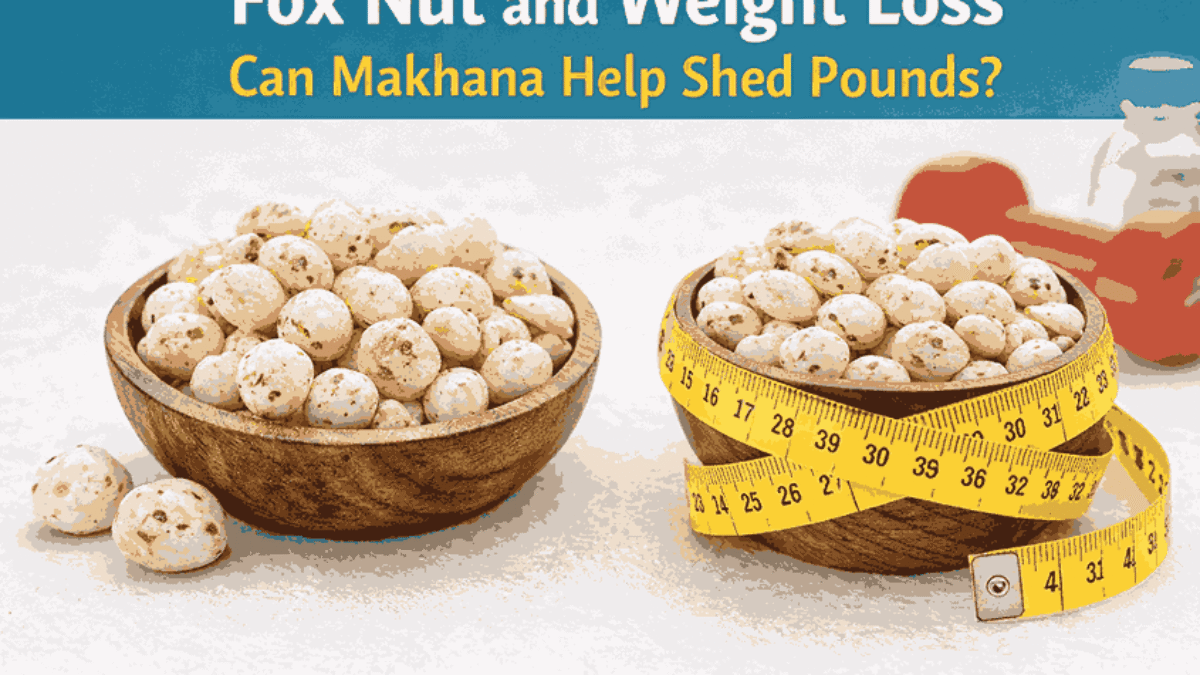

Losing stubborn belly fat is a challenge many of us face, and surprisingly one tasty answer comes from an ancient snack: makhana (also called fox nuts or lotus seeds). These popped lotus seeds are very low in fat and calories yet rich in protein, fiber and other nutrients, making them an ideal snack for weight management. By keeping you fuller for longer and providing slow-release energy, fox nuts can help reduce overall calorie intake and specifically target abdominal fat. In this article we explore the science and benefits behind fox nuts for belly fat loss, compare its nutrition to common snacks, and share tips on how to enjoy it.
Nutritional Powerhouse: What’s in Makhana?
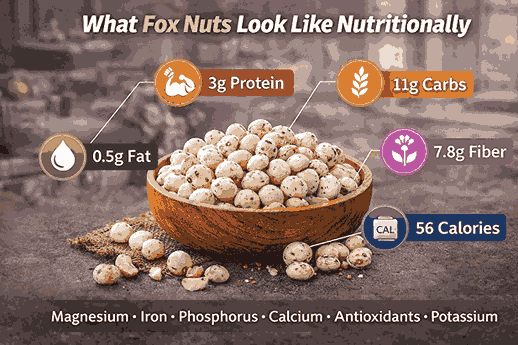
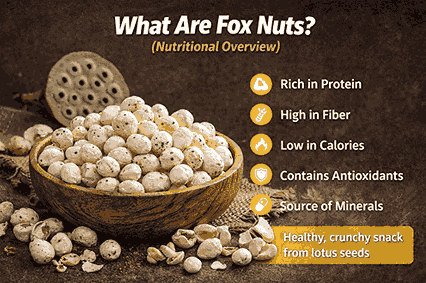
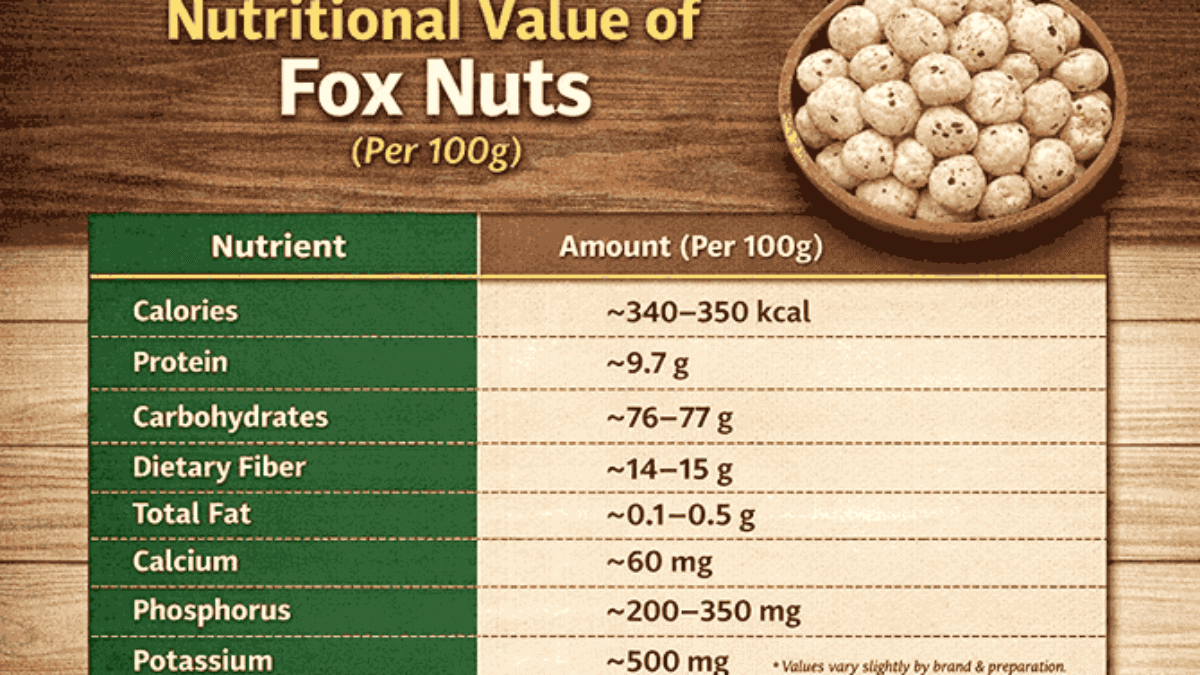
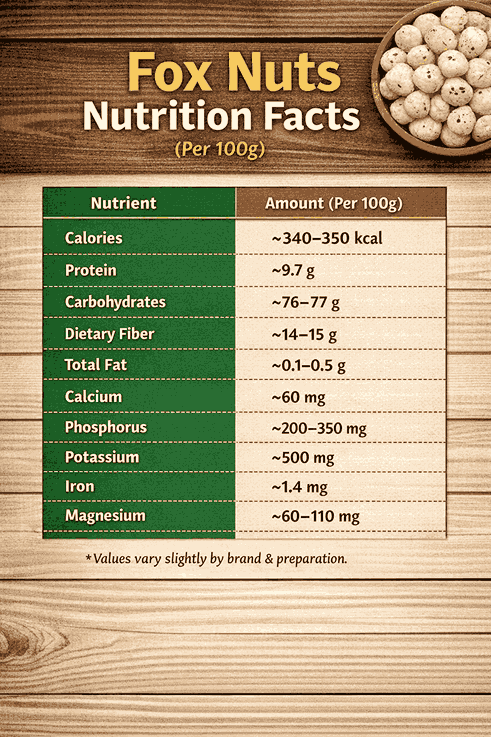
Makhana seeds are mostly starchy carbohydrates with a good amount of protein and almost no fat. Research shows typical fox nuts is about 70–77% carbs, 8–11% protein, and <0.5% fat by weight. In practical terms, 100 g of plain roasted fox nuts yields roughly 350–360 kcal, with about 9–10 g protein and virtually 0–1 g fat. By contrast, high-fat snacks like potato chips pack ~547 kcal and 37 g fat per 100 g. The very low fat and moderate protein in fox nuts means most calories come from complex carbs and fiber, not unhealthy fats.
Moreover, makhana is a fiber-rich seed. Some sources estimate about 14–15 g fiber per 100 g. This high fiber content contributes bulk and slow digestion. Makhana also provides essential minerals – notably magnesium, potassium, calcium and iron – and antioxidants like gallic and ellagic acid. These micronutrients support metabolic health (magnesium and calcium are linked to better weight control). Overall, fox nuts is a nutrient-dense, low-calorie food, making it a smart snack choice for calorie control and satiety.
Makhana vs Common Snacks (Nutrition Comparison)
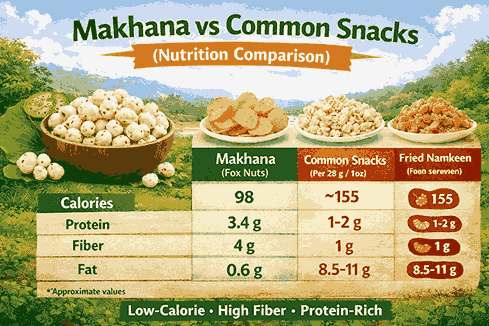
To see why makhana stands out, consider how it compares to other popular snacks. The table below compares 100 g servings of plain roasted fox nuts, air-popped popcorn, potato chips, and roasted peanuts:
| Snack | Calories (per 100 g) | Protein (g) | Carbs (g) | Fat (g) | Fiber (g) |
|---|---|---|---|---|---|
| Roasted Makhana | ~350–360 | ~9–10 | ~76–77 | ~0–1 | ~14–15 |
| Air-Popped Popcorn | 387 | 12.9 | 77.8 | 4.5 | 14.5 |
| Potato Chips | 547 | 6.6 | 49.7 | 37.5 | 4.4 |
| Roasted Peanuts | 567 | 25.8 | 16.1 | 49.2 | 8.5 |
Table: Nutritional values per 100 g of makhana versus other snacks.
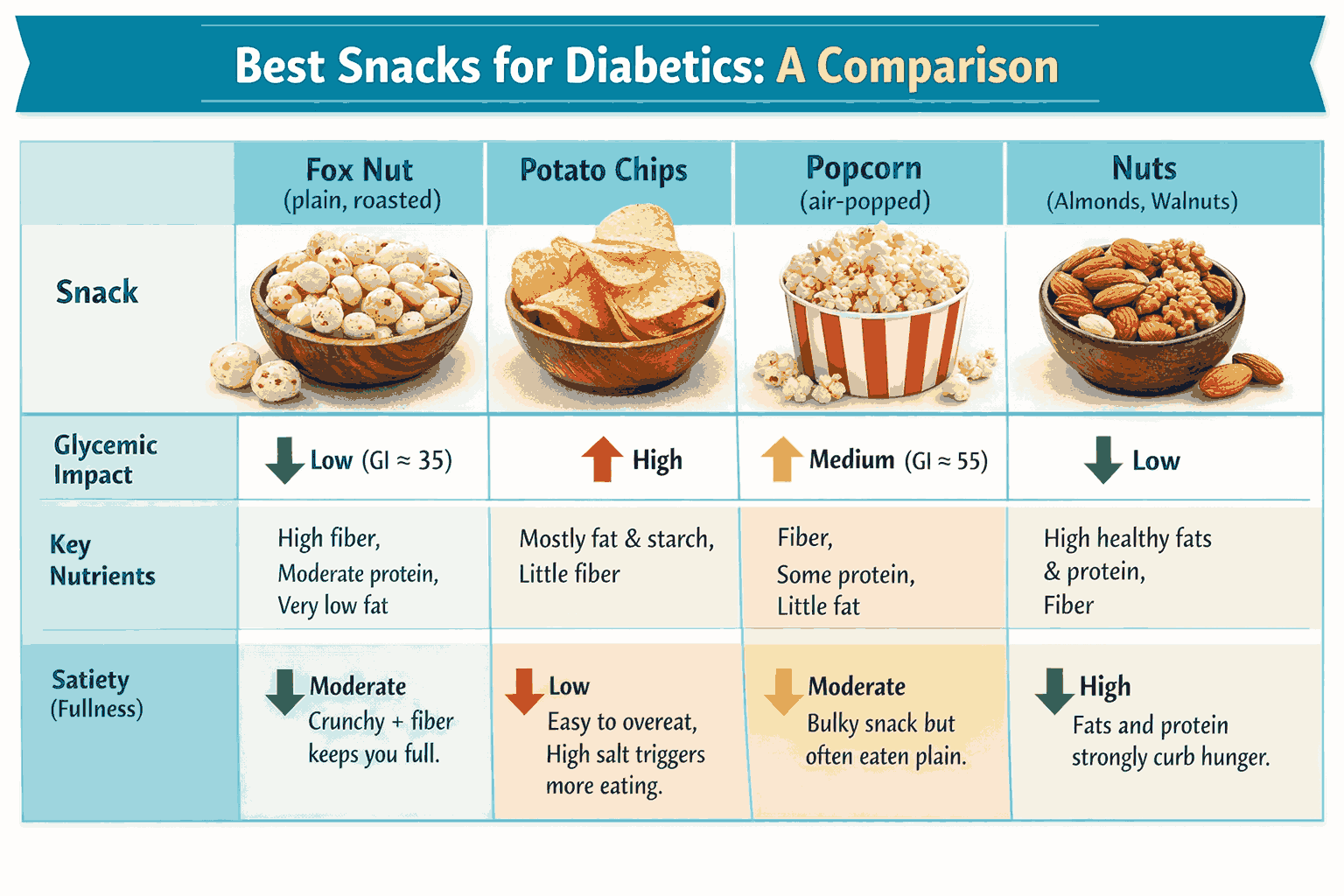
Compared to chips or nuts, makhana is far lower in fat and calories. For example, potato chips have ~547 kcal and 37 g fat per 100 g, whereas makhana is around 350 kcal with <1 g fat. In terms of protein and fiber, makhana holds its own: it has about 9–10 g protein and a remarkable ~14–15 g fiber per 100 g, comparable to popcorn. High fiber and moderate protein mean more fullness for fewer calories. In practice, a small handful of roasted makhana (30–40 g) makes a crunchy snack that fills you up without blowing your calorie budget.
Why Makhana Supports Belly Fat Loss

1. Low Energy Density, High Satiety
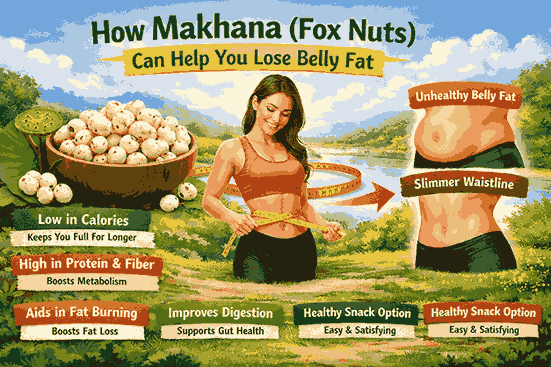
A key to trimming belly fat is controlling overall calorie intake while staying satisfied. Makhana’s low fat and high fiber/protein make it energy-sparse yet filling. Nutrition experts note that foods with low calories per gram let you eat more volume for fewer calories. Indeed, makhana’s “low energy value per gram” means you can snack on a decent bowl without packing on calories. The fibrous bulk and protein also curb hunger: protein suppresses appetite by stabilizing blood sugar and hormone signals, while fiber slows digestion, prolonging fullness. In short, makhana helps you eat fewer snacks overall by making each serving more satisfying.
2. Complex Carbs & Stable Blood Sugar
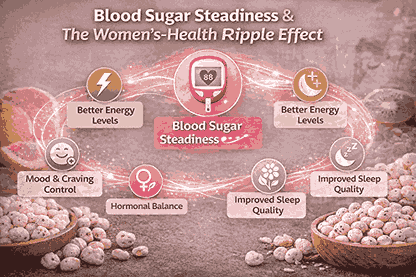
Unlike sugar-heavy snacks, makhana’s carbohydrates are complex and slow-digesting, which helps keep blood sugar steady. Times of India notes that fox nuts’ carbs release energy slowly, stabilising blood sugar and reducing sudden hunger pangs. This steady release prevents the insulin spikes and crashes that can trigger overeating. In effect, eating makhana means your body gets a slow burn of energy rather than a quick spike, which can help prevent the abdominal fat-storing hormones from flaring up.
3. Protein Content Protects Muscle and Metabolism
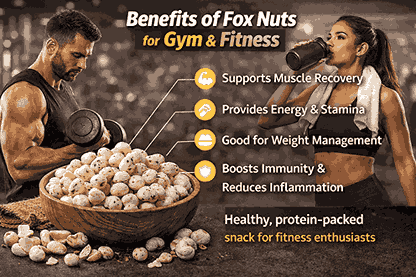
Maintaining muscle mass is crucial when losing fat (including belly fat) because muscle burns more calories. Makhana offers a good plant protein boost for a snack. 100 g delivers around 9–10 g protein. Incorporating makhana into your diet “enhances your intake of protein,” helping to reduce cravings and preserve lean mass. In other words, its protein helps you stay toned and keeps your metabolism humming while you slim down.
4. High Fiber Fuels Gut Health and Fat Loss
Fiber is a well-known ally in weight and belly-fat loss. Diets high in fiber predict better weight loss and dietary adherence, and research shows higher fiber intake is linked to less belly fat. Makhana’s high fiber content (~14 g per 100 g) acts as a natural appetite suppressant. Soluble fiber (which makhana contains) even feeds healthy gut bacteria; studies suggest good gut diversity is tied to lower belly fat. By keeping you full and supporting digestion, makhana’s fiber helps prevent overeating and targets abdominal fat reduction.
5. Beneficial Amino Acids (Fat “Burners”)
Beyond macros, makhana contains amino acids that play roles in fat metabolism. Research on makhana composition finds it rich in leucine, lysine, methionine, etc.. Leucine (9–10 g per 100 g) is known to boost muscle synthesis and fat oxidation. Lysine and methionine are precursors to carnitine, a compound that helps transport fat into cells to be burned. One study notes that regular intake of makhana could “lead to production of the fat burner… carnitine” in the body. In short, eating makhana helps supply the building blocks for fat-burning processes.
6. Micronutrients that Aid Metabolism
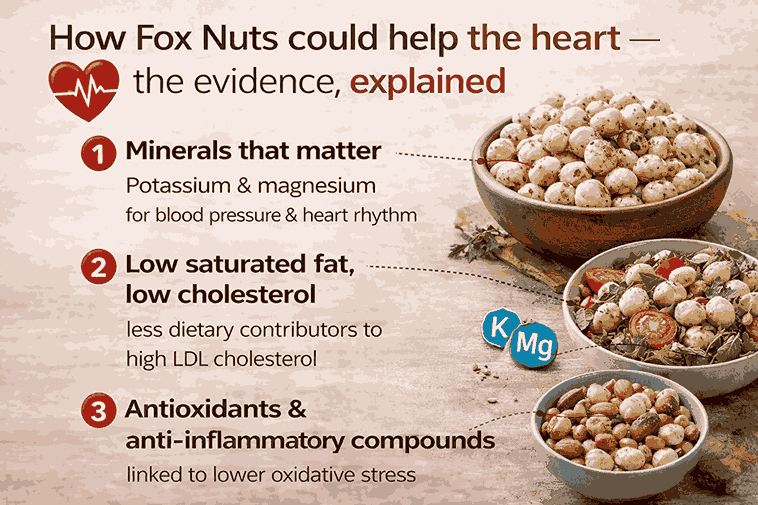
Makhana also provides key micronutrients linked to weight control. It contains notable magnesium (around 20 mg per 100 g in some varieties). Low magnesium status has been associated with obesity, while adequate intake supports healthy metabolism. Calcium and potassium in makhana further support fat metabolism and blood pressure control. Thus, by providing these minerals along with its low-sugar profile, makhana supports the metabolic balance needed to shed belly fat.
Incorporating Makhana: Tips & Tricks
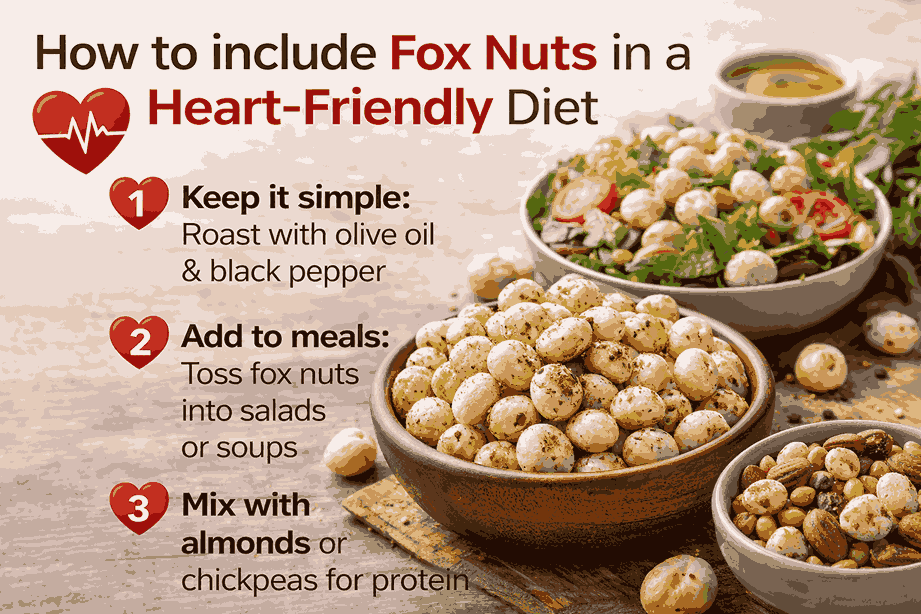
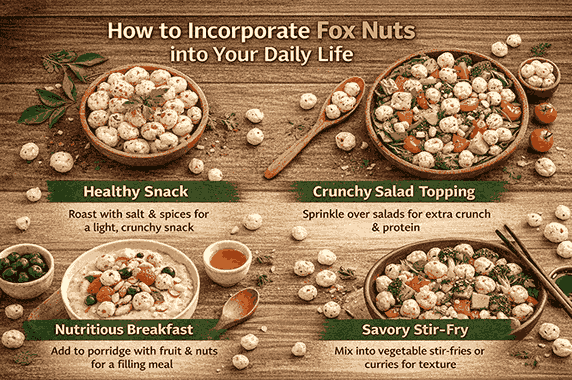
- Roast It Right: Dry-roast makhana on low heat (no or minimal oil) until crispy. Season with salt, pepper, turmeric or mild spices. Roasted makhana makes a great crunchy snack instead of chips. (Avoid heavily flavored commercial versions high in added fat or salt.)
- Mix with Meals: Sprinkle roasted makhana on salads or stir them into soups and curries for extra crunch and protein. They work like a carb-rich crouton but with more fiber and fewer calories.
- Blend into Snacks: Grind makhana into a powder and add it to smoothies, daliya (porridge) or paneer dishes for added nutrition. A homemade makhana barfi or kheer can be made with much less sugar than traditional sweets.
- Portion Control: While healthy, makhana does contain calories (about 30–35 kcal per 10 g handful). Stick to about 30–40 g per serving. Use makhana in place of fatty snacks, not in addition to a high-calorie diet.
- When to Snack: Enjoy makhana between meals (mid-morning or afternoon) to curb hunger pangs. Its slow carbs help avoid blood-sugar dips. A bowl of spiced makhana with tea can curb evening snack cravings.
Dietitians note that swapping in makhana for refined or fried snacks is a smart move. For example, instead of reaching for a pack of chips or cookies, munch on a bowl of roasted makhana. Its bulk and crunch feel like eating a lot (good for satisfaction) but actually contain far fewer calories. In this way, makhana can easily fit into a balanced, calorie-controlled diet.
Evidence & Expert Opinion
While direct human trials on makhana and belly fat are limited, its nutrient profile speaks volumes. Leading nutrition blogs and experts highlight makhana’s weight-friendly properties: Healthline notes that protein and fiber – both abundant in makhana – are “two key nutrients that may benefit weight loss”. A Times of India food article similarly explains that makhana’s low-calorie density and plant protein help “regulate hunger” and maintain muscle. Recent media coverage even cites research linking high-fiber diets to reduced belly fat, making makhana an attractive snack for abdominal weight loss.
Traditional wisdom also backs makhana’s use in diets – in India it’s long been revered as a “rich source of nutrients” and included in fasting diets for its sustaining energy. Modern superfood advocates (including celebrity dietitians and entrepreneurs) are now promoting it globally as a “nutritional powerhouse.” The Zerodha co-founder and amateur health enthusiast Nikhil Kamath even tweeted he’s “hooked on makhana” as a healthy snack.
In summary, makhana’s combination of low fat, high protein/fiber, and beneficial micronutrients make it a smart choice to include in a belly-fat-reduction diet. By replacing high-calorie snacks with makhana and watching portions, most people can support gradual fat loss, particularly around the waist.
Conclusion & Call to Action
Makhana is more than an old-fashioned fasting food – it’s a convenient, crunch-filled tool for modern weight management. Its nutrient profile supports satiety, stable blood sugar, and metabolic health, all of which help reduce fat stores including belly fat. Best of all, it’s delicious and versatile!
Next time you crave a snack, try roasting a handful of makhana with your favorite spices. See how long it keeps you full, and notice if you’re less drawn to extra snacking or sweets. Share your favorite makhana recipes or experiences below – have you tried them in a salad or smoothie? Spread the word if you found these tips helpful, and let us know how makhana fits into your diet. For more insights on healthy eating and weight loss, subscribe to our blog or check out our related guide on healthy snack swaps and high-fiber foods for weight loss. Let’s beat belly fat together – one crunchy bite at a time!