Health

makhana-for-hair-growth
Health

Makhana for Hair Growth: Does It Work?

Ever looked at a bowl of roasted makhana and wondered whether this light, crunchy snack could do something bigger for your body—like support thicker, healthier hair? It is an appealing idea. After all, makhana already has a “healthy snack” halo around it, and in beauty conversations, foods that are high in minerals, antioxidants, and plant compounds often get promoted as miracle fixes. But hair growth does not work like a switch you flip with one snack. Here is the honest answer: makhana is not a proven hair-growth food on its own, but it can still play a useful supporting role in a hair-friendly diet. That distinction matters. If your hair loss is tied to stress, iron deficiency, hormonal changes, poor protein intake, or scalp inflammation, no single ingredient—not even a nutritious one—will solve everything. Still, makhana can fit into a smarter routine because it offers protein, minerals, and antioxidant compounds without the sugar crash or deep-fried heaviness of many snack foods. This post breaks down where makhana may help, where the claims get exaggerated, and how to use it realistically if your goal is stronger, healthier hair. Quick answer: Does makhana help hair growth? Not directly in the way viral wellness claims often suggest. There is no strong clinical evidence showing that makhana itself stimulates new hair growth. What it may do is support the conditions that healthy hair needs: steady nutrition, better snack choices, and a diet that does not crowd out more important nutrients. Hair strands are made mostly of protein, and the hair-growth cycle is influenced by iron, zinc, vitamin D, overall calorie intake, thyroid health, and hormones. Nutritional deficiencies are a recognized contributor to hair shedding, and research in dermatology has repeatedly shown that correcting deficiencies can improve some forms of hair loss. Reviews in journals indexed by PubMed have discussed links between hair loss and nutrients such as iron, zinc, vitamin D, selenium, and protein balance. That does not make makhana a treatment. It makes it a supportive food, especially when it replaces ultra-processed snacks that add very little nutritional value. Think of makhana like a helpful side character, not the hero of the story. It can support the environment in which hair grows, but it cannot override underlying medical causes. What is makhana, exactly? Makhana, also called fox nuts or popped lotus seeds, comes from the seeds of Euryale ferox. It is popular across South Asia, especially as a roasted snack. Its biggest advantage is that it is light, versatile, and easy to digest for many people. You can eat it savory, mildly spiced, or even mixed into trail snacks. From a nutrition perspective, makhana is usually praised for being relatively low in calories, low in saturated fat, and a source of small amounts of protein and minerals. Depending on portion size and preparation, it can fit nicely into a balanced eating pattern. That matters more than it sounds. Many people trying to “eat for hair growth” focus only on adding superfoods, when the real win often comes from swapping out foods that work against overall health. A bowl of roasted makhana is not just about what it contains. It is also about what it may replace: chips, sugary biscuits, or highly salted snacks that leave you full but undernourished. Why do people connect makhana with hair health The logic usually goes like this: healthy hair needs nutrients, makhana contains nutrients, so makhana must grow hair. That sounds neat, but biology is messier. Hair health depends on a full system. The scalp needs circulation and a healthy skin barrier. Hair follicles rely on protein-derived amino acids to support healthy growth. The body needs enough iron to carry oxygen effectively, enough zinc for tissue repair, and enough energy overall to keep hair in its active growth phase. Severe dieting, chronic stress, and illness can push hair into increased shedding, a condition often called telogen effluvium. The American Academy of Dermatology and dermatology literature both stress that hair loss is often multifactorial, not caused by one “missing” food. Still, the reason people talk about makhana is not completely random. It may contribute in three indirect ways: it offers some protein, it provides minerals in modest amounts, and it can help people snack better without feeling deprived. Makhana vs foods that are actually more powerful for hair growth Here is where perspective matters. “If you’re wondering which foods deliver the most nutrients for healthier hair, this is the question to ask.” makhana is helpful, but not top-tier. Food Why it helps hair Relative strength for hair nutrition Eggs Rich in protein and biotin High Greek yogurt Protein plus supportive nutrients High Lentils/beans Protein, iron, folate High Pumpkin seeds Zinc, healthy fats, minerals Moderate to high Salmon/sardines Protein, omega-3 fats, vitamin D High Makhana Light snack with some protein and minerals Moderate support Chips/cookies Low nutrient density Very low That table tells the real story. Makhana is better than junk snacks, but it is not stronger than eggs, legumes, seeds, dairy, or fish when the goal is hair nourishment. The nutrients in makhana that may matter for hair Protein: useful, but not enough on its own Hair is built from keratin, a structural protein. That means inadequate protein intake can affect hair strength and growth over time. Makhana does contain protein, which is a plus, especially in plant-forward diets. The catch is that the amount per serving is modest. You would not rely on makhana alone to meet your daily protein needs. A more realistic approach is to treat makhana as a bridge food. For example, pair it with yogurt, a handful of nuts, or roasted chickpeas. Suddenly it becomes part of a snack that is much more meaningful for hair health. Minerals and antioxidants: supportive, not magical Makhana is also associated with minerals such as magnesium, phosphorus, and smaller amounts of other trace nutrients. Antioxidant-rich foods may help reduce oxidative stress, which has been explored in aging and some hair and scalp concerns. That sounds promising,

Fox-nuts-benefits-for-female
Health

Fox Nuts Benefits for Female

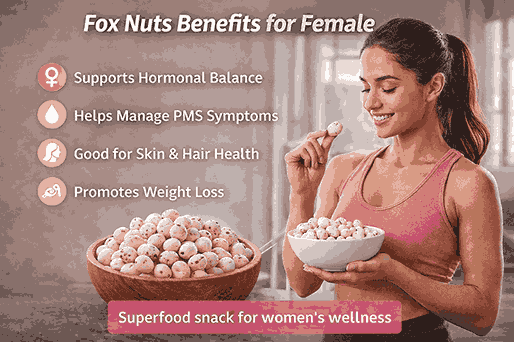
Introduction If you’ve ever stood in front of the pantry thinking “I want something crunchy… but I don’t want to feel heavy or guilty after,” you’re not alone. That exact moment—between hunger and habit—is where Fox Nuts can quietly become a game-changer.  Fox Nuts (also called makhana/phool makhana) sit in a rare sweet spot: they’re light, snackable, and surprisingly nutrient-dense for how “airy” they feel. And for women—whose nutrition needs shift across the menstrual cycle, pregnancy, postpartum, and menopause—small, repeatable snack upgrades can make a bigger difference than chasing one “perfect” superfood.  Before we get to benefits, one quick clarity point that most blog posts skip: you’ll often see makhana labeled “lotus seeds.” They’re frequently confused with true lotus seeds; a widely read piece from Down To Earth explains that lotus seeds come from Nelumbo nucifera, while fox nuts/makhana are from the prickly water lily (Euryale ferox) and are typically roasted/popped before eating.  Comparison Fox Nuts aren’t “better” than every snack in every scenario. They’re better at specific jobs—especially the ones many women care about: managing cravings, avoiding blood-sugar whiplash, and adding minerals without adding a ton of oil.  What Fox Nuts look like nutritionally A serving example cited by Healthline: one cup (32 g) of dried lotus seeds/makhana provides about 106 calories and 4.93 g protein, plus minerals like calcium (52.2 mg) and magnesium (67.2 mg).  A key nuance: how you prepare them changes the math. A human study on roasted fox nuts reported that roasting decreased bulk density and increased calorie density (partly because moisture drops), which matters if you snack by “handfuls” instead of measuring.  Fox Nuts vs common snacks This table isn’t here to crown a winner—it’s here to make trade-offs obvious. Snack (typical serving) Calories Protein Fat What this means for women Fox Nuts / makhana (1 cup / 32 g) ~106 ~4.93 g Noted as low-fat in this serving More “volume per bite,” helpful for crunchy cravings; includes minerals like magnesium/calcium.  Air-popped popcorn (1 cup) ~31 ~1.04 g ~0.36 g Very low-calorie per cup; can be a great “volume snack,” but usually less mineral-dense and easy to over-salt.  Almonds (1 oz / 28 g) ~164 ~6 g ~14.2 g Higher protein and healthy fats; more calorically dense—great when you need satiety, less ideal if you snack mindlessly.  Potato chips (1 oz) ~155 ~1.86 g ~10.62 g Designed for “crave + repeat.” Higher fat and typically high sodium; easy to overshoot without feeling full.  The most underrated comparison: glycemic response In a small human trial (n=10), roasted fox nuts had a glycemic index around 37, which falls in the “low GI” category (GI < 55).  That matters because many women notice their appetite and energy feel different when snacks spike glucose and crash later—particularly in phases like late luteal/PMS, during perimenopause, or when managing insulin resistance. (Fox nuts aren’t a cure—but low-GI snack patterns can be a practical lever.)  Key insights A “snack job” Fox Nuts do well: crunchy cravings without the oil load A lot of women don’t actually crave food—they crave the experience of crunch, salt, and “something to do with my hands.” Fox nuts match that sensory profile while staying relatively light compared with fried snacks.  Here’s the fresh perspective I’d offer: think of Fox Nuts as a craving container. They let you keep the ritual (crunch + spice + downtime) while changing the nutritional outcome. What helps this work in real life is how you season them. The same study that measured GI also did consumer acceptability testing and found seasoning improved “liking,” which matters because a “healthy snack” you don’t enjoy won’t become a habit.  Minerals that show up in women’s health conversations: magnesium and calcium Magnesium isn’t a trendy add-on; it’s a core mineral involved in hundreds of enzyme systems, including muscle and nerve function and blood glucose regulation.  For adult women, magnesium RDAs are commonly 310–320 mg/day (and higher in pregnancy depending on age). A 1-cup serving of makhana in the example above provides ~67 mg magnesium—not “magic,” but meaningful as part of a day’s intake.  Calcium matters too, especially because requirements shift with age and because postmenopausal women are specifically noted as a group that can have more trouble maintaining calcium balance over time. Adults commonly need around 1,000 mg/day, while women ages 51–70 are listed at 1,200 mg/day in consumer guidance. Makhana’s calcium contribution (about 52 mg per cup in the example) is modest—but it’s additive, particularly for women who don’t eat much dairy.  A careful but useful connection: nutrition research reviews in gynecologic contexts often discuss minerals (including magnesium, sometimes alongside calcium and vitamin D) in relation to menstrual symptom strategies—but effects vary by study, dose, and population, and supplement-level doses differ from food-level intake. That’s why Fox Nuts are best framed as foundation support, not treatment.  Iron, energy, and “why women feel tired” is bigger than one snack If there’s one mineral that makes the question “benefits for female?” feel uniquely female, it’s iron. The Office of Dietary Supplements lists that teenage girls, pregnant women, and premenopausal women are among groups at risk of insufficient iron intake, and it also notes that heavy menstrual bleeding increases iron-deficiency risk.  It also gives the reality check on targets: women ages 19–50: 18 mg/day, and pregnancy: 27 mg/day.  Fox nuts contain some iron (about 1.13 mg per cup in the cited example), which is roughly a small single-digit percentage of daily needs for many women—helpful, but not enough to “fix” low iron by itself.  Two practical takeaways that do move the needle: So the “female benefit” here is not that Fox Nuts are an iron supplement—it’s that they can be part of an iron-aware snack strategy (more on that below).  Blood sugar steadiness and the women’s-health ripple effect The human GI finding (GI ~37 for roasted fox nuts) is one of the more concrete, non-hand-wavy data points in the makhana conversation.  Why it’s relevant for women specifically: Important honesty: a lot of “fox nut benefits” content leans on animal or extract studies. Even Healthline notes that some blood-sugar findings come from animal research using concentrated extracts, and more human research is needed for typical dietary intakes.  So, the clean claim you can make is: Fox Nuts can be a low-GI snack option when roasted plainly, which may

Fox-Nuts-Snacks-for-Gym-&-Fitness
Health

Fox Nuts Snacks for Gym & Fitness: The Smart Fuel You’re Missing

Fox Nuts (also known as makhana or lotus seeds) are a crunchy, traditional Indian snack that’s becoming a secret weapon for gym enthusiasts and fitness buffs. Light, gluten-free, and rich in nutrients, these puffed lotus seeds deliver a surprising blend of protein, fiber, and antioxidants. In this blog, we break down why.With strong nutritional benefits, practical tips, and expert-backed insights, Fox Nuts are an excellent snack to include in your fitness routine. Fox Nuts (roasted makhana) make a light, crunchy snack option for fitness enthusiasts. What Are Fox Nuts? (Nutritional Overview) Fox Nuts are healthy, edible seeds that come from the Euryale ferox plant, also known as lotus seeds, popular in fitness diets. When roasted, they puff up like mini popcorns. They may look like plain white puffs, but nutritionally they pack a punch for their size. One cup (about 32g) of roasted makhana contains roughly 106 calories, 5 g protein, and a burst of minerals like calcium, magnesium, and potassium. This makes them relatively high in protein and micronutrients for a snack, especially compared to typical chips or popcorn. In short, Fox Nuts are a nutrient-dense snack: low in calories yet loaded with protein, fiber, and antioxidants. This combo is rare among grab-and-go snacks. Fox Nuts vs Other Gym Snacks (Nutrition Comparison) To see how Fox Nuts stack up against popular gym snacks, consider this comparison: Snack Calories (per 100g) Protein Fat Fiber Best Use Fox Nuts 83 kcal 9.7 g 0.5 g 7.6 g Low-calorie energy/fat loss Almonds 576 kcal 21 g 49 g 12 g Bulking/higher fat diets Protein Bar ~350 kcal/bar ~20 g ~8 g ~5 g Quick protein boost Popcorn ~387 kcal 12 g 4 g 14 g Low-fat, whole-grain snack Table: Fox Nuts (makhana) are uniquely low in fat and calories yet supply both protein and fiber. Compared to nuts like almonds, makhana have dramatically fewer calories for a similar crunch factor. As the table shows, Fox Nuts deliver protein without excess fat or calories. Many fitness snacks (like nuts or bars) pack more calories and fat. Even granola or trail mix can be calorie-dense. By contrast, makhana give you crunch and sustenance without derailing a diet. Key Insight: makhana combine a “popcorn-like” feel with nut-like nutrition – ideal for cutting or lean gains. They provide slow energy release (see next section) and support satiety without loading on extra calories. ✔️ Benefits of Fox Nuts for Gym & Fitness Here’s why fitness experts and nutritionists are giving makhana a thumbs-up: Fact: One cup (~30g) of roasted makhana is just ~106 calories. Even a 100g serving (~3 cups) is only about 330 calories. A dietitian warns that going over this (eating excessive bowls) could pack on unwanted carbs. But in moderation, Fox Nuts are a “guilt-free” crunch. Pre- and Post-Workout Ideas “What is the ideal time to consume fox nuts (makhana)?” In short, think of Fox Nuts as a clean, portable fuel pellet: enough carbs to energize and enough protein/fiber to satisfy hunger and support recovery. 💡 Key Takeaways In essence, Fox Nuts punch above their weight as a gym-friendly snack. They’ve been dubbed a “superfood” for athletes for good reason – they combine healthy macros with antioxidants in a portable form. Roasted Fox Nuts are lightly seasoned and ready for snacking – a tasty way to fuel workouts. Frequently Asked Questions Q: Why are Fox Nuts considered good for fitness and gym-goers? A: Fox Nuts offer a unique mix of nutrients that benefit active people. They have a low calorie density but deliver protein and fiber, which can keep you full during a workout. The protein (about 5g per cup) helps with muscle repair, while complex carbs supply sustained energy without spikes. They’re also rich in minerals like magnesium and calcium that support muscle function. Plus, the antioxidants in Fox Nuts (gallic acid, ellagic acid, etc.) fight exercise-induced oxidative stress, potentially aiding recovery. Q: Are Fox Nuts good for weight loss? A: Yes, in moderation. Fox Nuts are relatively low in calories and fat compared to nuts and chips. A modest serving (around 30g) is just ~106 calories. Their fiber and protein content also promote satiety, helping control appetite. Healthline points out that adding fox nuts to your diet boosts protein and fiber intake – nutrients known to support weight loss. Caution: They still contain carbs, so overeating (like munching 100g+) can add up. One nutritionist notes that 100g of makhana is okay for weight loss only if portion is controlled. In practice, use them as a filling snack instead of higher-calorie snacks, not in addition to your diet. Q: How do Fox Nuts compare to other gym snacks? A: Fox Nuts stand out for being light yet nutrient-rich. For example, per 100g they have only ~83 kcal and ~9.7g protein, whereas 100g of almonds has 576 kcal and 21g protein. This makes fox nuts better for cutting or low-fat diets. Compared to protein bars or granola (often 300–500+ calories), a serving of Fox Nuts is far leaner. They’re also free of added sugars and preservatives that some bars contain. In summary, Fox Nuts give you crunch and macro balance without the calorie load of many “fitness” snacks. Q: How can I eat Fox Nuts? Any fun ways to include them in my diet? A: There are many tasty options! The most popular method is roasting. Simply dry-roast or light-oil roast fox nuts in a pan, then season with salt, pepper, or spices like turmeric or chili for a crunchy snack. You can enjoy them plain or make a trail mix by combining roasted makhana with nuts and dried fruit. Some people blend roasted Fox Nuts into smoothies or shakes for extra texture. They also work well tossed into salads (for crunch) or soups. In Indian cuisine, they’re even added to curries or sweet rice dishes (kheer). The versatility means you can snack on them alone or sprinkle them onto meals – a gym-friendly “popcorn”! Q: Are there any downsides or side effects to eating Fox Nuts? A: Generally, Fox Nuts are safe and healthy, but

fox-nut-good-for-heart-health
Health

Fox Nut and Your Heart: Can Makhana Keep Your Ticker Happy?

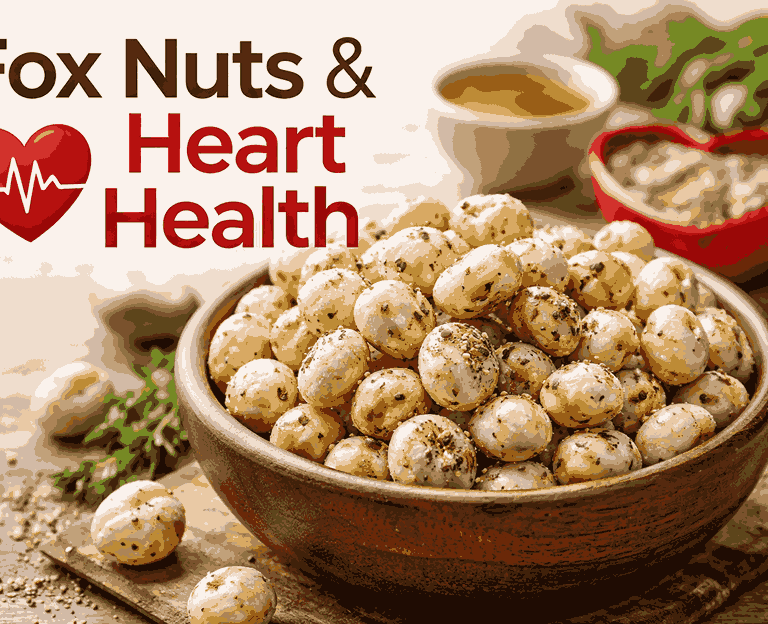
Introduction — a quick hookImagine a crunchy snack that feels indulgent, yet is low in saturated fat, packed with minerals, and part of traditional medicine for centuries. This is what makes fox nuts (makhana) such a unique and popular healthy snack. In this post I’ll walk you through what science says about fox nuts and heart health, practical ways to eat them, and how they compare to other snacks — with clear sources so you can judge for yourself. Quick primer: what is a Fox Nut? Fox nuts are the popped seeds of Euryale ferox, an aquatic plant. In India they’re commonly called makhana and are a popular roasted snack. They’re starchy, light, and—when prepared simply—low in fat and sodium, which is why many people reach for them as a healthier alternative to chips. How Fox Nuts could help the heart — the evidence, explained 1. Minerals that matter: potassium & magnesium Potassium and magnesium play well-known roles in blood pressure regulation and heart rhythm. Fox nuts contain useful amounts of both minerals, which supports the idea they can be part of a heart-friendly diet. However, this is a supportive role—not a cure. 2. Low saturated fat, low cholesterol Unlike many processed snacks, plain roasted fox nuts have almost no saturated fat and no cholesterol. Swapping high-saturated-fat snacks for makhana can reduce dietary contributors to high LDL cholesterol over time. 3. Antioxidants & anti-inflammatory compounds Phytochemical reviews show that Euryale ferox contains polyphenols and flavonoids with antioxidant potential. Antioxidants help lower oxidative stress, which is linked to atherosclerosis. Most studies so far are lab-based or compositional—human trials specifically measuring heart outcomes are still limited. So: promising mechanisms, but more clinical data needed. Fox Nuts and Health: What Research Supports Practical comparison: Fox Nut vs common snacks Attribute Fox Nut (makhana) Roasted Almonds Potato chips (fried) Popcorn (air-popped) Typical sat. fat Very low. Low-moderate (healthy fats) High Very low Protein Moderate (≈8–10g/100g). High (≈21g/100g) Low Low Fiber Moderate–high Moderate Very low Moderate Potassium & Mg Good source. Good source Low Low Antioxidants Present (polyphenols). High Low Variable Best if you want low-fat crunchy snack? ✅ ✅ (but calorie dense) ❌ ✅ Notes: numbers vary by source and processing method (roasted, salted, masala, etc.). Use the table below as a quick reference for understanding fox nuts nutrition. How to include Fox Nuts in a heart-friendly diet (my personal take + recipes) I started swapping a late-afternoon packet of chips for a small bowl of roasted makhana a few months back. Here’s what worked: Roasting improves texture and (in some analyses) mineral availability — so homemade roasted makhana is a great option. Bottom line — should you eat Fox Nuts for your heart? Yes, when included in a healthy and balanced diet. Fox Nut (makhana) is a low-saturated-fat, nutrient-rich snack that contains potassium, magnesium, fiber, and antioxidants — all of which support heart health in principle. Fox nuts can support a healthy lifestyle, but they should not be relied on as a miracle solution. The strongest evidence today is compositional and mechanistic; large human trials with heart outcomes are still lacking. Make makhana a smart swap (instead of fried snacks), combine it with other whole foods, and focus on overall diet and lifestyle for real cardiovascular benefit. References & further reading (selected) Call to action (CTA) Tried makhana before—plain or masala? Tell us in the comments how you like to enjoy fox nuts (makhana). Want a printable infographic or a 7-day heart-friendly snack plan with makhana included? Comment “Snack Plan” and I’ll create a snack guide for you.

fox-nuts-nutritional-value
Health

Why Fox Nut deserves a place in your snack jar

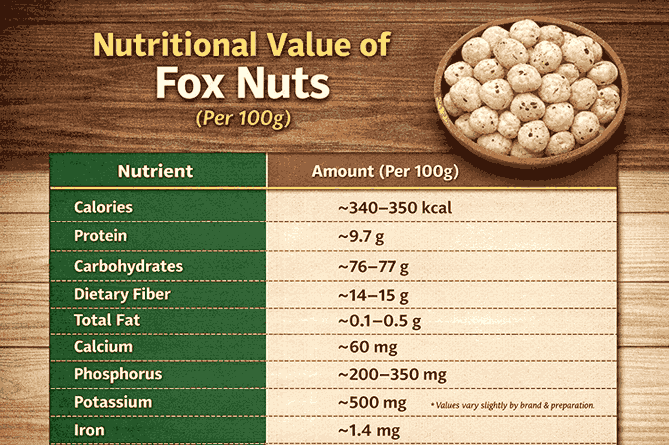
Introduction If you’re searching for a crunchy snack that’s lightweight on calories but heavy on benefits, Fox Nut (also called makhana or phool makhana) is quietly becoming the hero of healthy munching. Roasted, spiced, or tossed into a salad, these popped water seeds deliver surprising protein, fiber and minerals while keeping fat and sodium low — a combo that’s rare in ready-to-eat snacks. After reviewing nutrition databases and recent analyses, this post breaks down exactly what’s in fox nuts, how they compare to other snacks, and how to use them practically in daily eating. Quick snapshot: Nutrition per 100 g (puffed/ready to eat) Below is a practical table you can paste into your article or product page. Values are aggregated from nutrition listings and industry sources (puffed makhana serves slightly fewer calories than raw seeds). Nutrient (per 100 g) Amount Calories ~340–350 kcal Protein ~9.7 g Carbohydrates ~76–77 g Dietary fiber ~14–15 g Total fat ~0.1–0.5 g Calcium ~60 mg Phosphorus ~200–350 mg Potassium ~500 mg Iron ~1.4 mg Magnesium ~60–110 mg How to read the numbers — what they mean for your health Fox Nut vs common snacks: Where it wins (and where it doesn’t) Short comparison to guide readers choosing snacks: Evidence-backed benefits — what research and analyses say Researchers and nutrition compendia highlight a few promising areas for fox nuts: Caveat: most strong health claims need human clinical trials; current evidence is supportive but not definitive. Use fox nuts as part of an overall healthy diet rather than a miracle food. Practical serving sizes & snack ideas A helpful, realistic approach for readers: Quick recipe: Spicy Roasted Fox Nut (30 g serving) Final takeaways — TL;DR Unique Health Benefits You Might Not Know (fox nut) We know they are healthy, but let’s get specific about how regular consumption of Fox Nuts can alter your physiology. 1. The Anti-Aging Agent Fox Nuts contain a high concentration of antioxidants, particularly kaempferol—a flavonoid also found in tea and broccoli. According to a study published by the National Institutes of Health (NIH), kaempferol has neuroprotective and anti-inflammatory properties. Eating these seeds can help combat oxidative stress, which is the primary driver of aging at a cellular level. 2. A Diabetic’s Best Friend The glycemic index (GI) of Makhana is relatively low (around 25-30). This means the carbohydrates are broken down slowly, releasing glucose into the bloodstream gradually rather than in a rush. For those managing type 2 diabetes, a handful of lightly roasted Fox Nuts can be a safe way to quell hunger without requiring a spike in insulin. 3. Heart Health and Ama In Ayurveda, “Ama” refers to toxic waste that clogs the channels of the body—a concept similar to arterial plaque in Western medicine. The magnesium and potassium content in Fox Nuts help regulate blood pressure and reduce LDL cholesterol, effectively cleansing the circulatory system. How to Incorporate Fox Nuts into Your Daily Life One of the best things about this ingredient is how versatile it is. While they are delicious straight out of the bag, treating them as a blank canvas can elevate your culinary game. A Word on Quality and Preparation (fox nut) Not all Fox Nuts are created equal. If you wander through the snack aisle, you’ll find them coated in “Masala” or “Creamy Onion” flavorings. While tasty, these often negate the health benefits by adding MSG, excessive sodium, and vegetable oils. For optimal health benefits: Conclusion: The Timeless Crunch (fox nut) In a world obsessed with novelty, the Fox Nut stands as a testament to the wisdom of our ancestors. It bridges the gap between the spiritual practice of fasting and the modern need for convenient, macro-friendly nutrition. Whether you are an athlete looking for a post-workout recovery snack, a busy professional needing a desk-drawer staple, or simply someone seeking a lighter alternative to dinner-time nibbles, Makhana (fox nut)offers a solution that is both delicious and deeply nourishing. So, the next time you reach for a bag of something crunchy, remember that little white puff. It’s not just a snack; it also carries a long history, valuable minerals, and a satisfying crunch that supports your health. Have you tried roasting Fox Nuts with a unique spice blend?Tell us which flavor combinations you enjoy the most. Drop a comment below and share your Makhana magic with the community!

fox-nut-diabetes
Health

Fox Nut: The Diabetic-Friendly Snack Choice

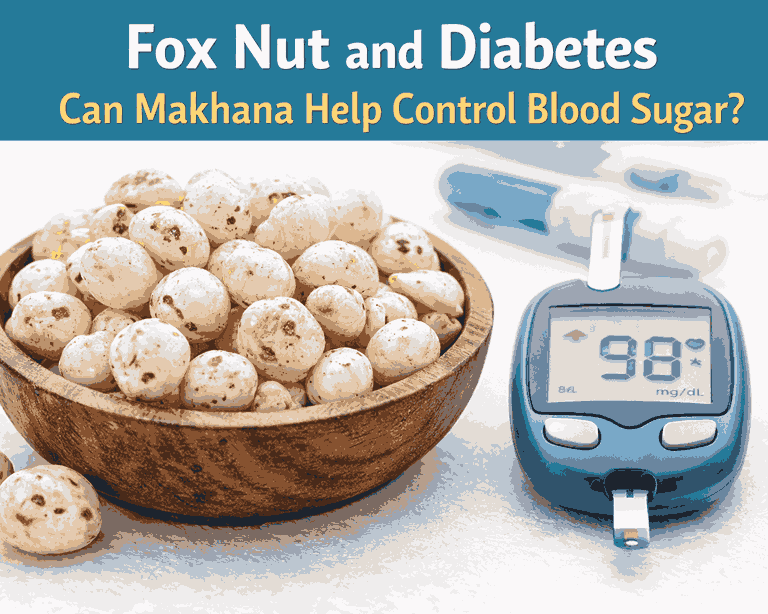
Introduction: Crunchy Fox Nuts in the Diabetes Story If you or someone you care about has diabetes, finding a healthy snack that doesn’t spike blood sugar can feel like a treasure hunt. Fox Nuts (also known as makhana or phool makhana) have popped onto social media and health blogs as a promising option. These little puffed lotus seeds are light, crunchy, and often billed as “diabetic-friendly” because they’re low in fat and rich in fiber. But does science back up these claims? In this article I’ll dive into the research and share fresh perspectives — including what nutrition experts say and a personal tip or two — so you can decide if fox nuts deserve a place on your snack plate. What Are Fox Nuts (Makhana)? Fox nuts are the edible seeds of an aquatic plant (Euryale ferox), harvested mainly in South Asia. They’re white puffs made by roasting the seed’s core until it “pops” into a crunchy round shape. In Indian tradition, makhana is often eaten during fasting periods or tossed into curries and desserts. Lately, dietitians and diabetes educators are eyeing it as a snack substitute for chips or sweet biscuits because of its unique nutritional profile. These snacks have a mild, neutral taste (think like a very mild popcorn), which means we can season them many ways – a pinch of salt and pepper, turmeric and cumin, or even a dash of chaat masala. Because they’re so low in fat and contain good fiber, people say makhana is “light yet filling.” Let’s unpack the nutrients to see why. Nutritional Profile: What’s Inside a Fox nut ? Fox nuts pack a surprising amount of nutrients for their size. Per 100 grams (about 3–4 cups puffed), you get roughly: Key points for diabetes: fox nuts are high-fiber and very low in fat. That fiber content (often listed as 7–14g per 100g, depending on the source) slows digestion. In fact, one nutrition site notes that “76.9g carbs with 14.5g fiber per 100g” means most of the carbs in makhana are digested slowly. Think of fox nuts as mostly starchy snack with a good boost of fiber and some protein. Unlike chips or cookies, there’s very little added sugar or fat (unless you add oil while roasting). Fox Nuts and Blood Sugar: What Science Says The big question: Will makhana spike your blood sugar? The research looks promising but is still emerging. Bottom line: Fox nuts have a body of indicators (low GI, fiber, antioxidants) that suggest they’re gentle on blood sugar. A human trial directly measuring GI confirmed they act more like a “low GI” snack. But remember: any carbohydrate can raise glucose if you eat too much. Moderation is key. Fox Nuts vs. Other Snacks: A Quick Comparison Snack Glycemic Impact Key Nutrients Satiety (Fullness) Fox Nut (plain, roasted) Low (GI ≈ 37) High fiber, moderate protein, very low fat Moderate – crunchy + fiber keeps you full. Potato Chips High Mostly fat & starch (little fiber) Low – easy to overeat, high salt triggers more eating. Popcorn (air-popped) Medium (GI ~55) Fiber, some protein, little fat Moderate – bulky snack but often eaten plain. Nuts (almonds, walnuts) Low High healthy fats & protein, fiber High – fats and protein strongly curb hunger. Compared to chips or cookies, fox nuts are a clear winner for blood sugar control. They outrank popcorn or puffed rice, too, because of the higher fiber and protein. The above table is qualitative, but it shows: Fox nuts are a healthier swap for most carb-heavy or fatty snacks, since their glycemic impact is lower and they provide extra nutrients like magnesium and antioxidants. (For example, the glycemic index trial found makhana’s GI ~37, while French fries or chips run 70+.) Best Ways to Enjoy Fox Nuts for Diabetes It’s not enough that makhana can be “good” for diabetes – how you eat them matters. Here are practical tips: With these strategies, fox nuts become a tool you use smartly – not a “free food.” Real-World Tip: How I Use Fox Nuts In my own kitchen, I experimented with makhana as a “chip substitute.” I noticed after lunch I craved something crunchy. Instead of reaching for biscuits, I roasted some makhana with a bit of turmeric, salt, and black pepper. Paired with a spoon of plain yogurt, it was surprisingly satisfying. Over a few days, this routine cut my afternoon snacking by half. One colleague also with diabetes tried adding makhana to her salad. She said the crunch kept her from feeling deprived. Of course, these are anecdotes, not medical advice – results vary. But they highlight a key point: small, consistent swaps (chips → makhana) and mindful portions can make a real difference in long-term blood sugar control. Fox nut : What Experts Say & Cautions Most dietitians agree: makhana can fit into a diabetic diet as long as you keep portions reasonable. Here’s why professionals aren’t ringing alarm bells: However, a couple of caveats: Fox nut Beyond Diabetes: Other Benefits Even if diabetes weren’t on your mind, makhana has other perks: Conclusion: Are Fox Nuts Good for Diabetes? In moderation, yes – fox nuts can be a friendly snack choice for people with diabetes. They won’t magically cure diabetes, but their low GI, fiber content, and nutrient mix make them far preferable to many common junk-food snacks. The evidence (human GI trials and nutrition data) shows that plain roasted makhana releases energy slowly. Also, research hints at beneficial compounds that may even help insulin function. The key is how you eat them: keep portions reasonable, roast them dry, and pair them with protein or veggies to stabilize your plate. By swapping a bag of chips or sugared popcorn for a bowl of spiced makhana, you’re choosing a snack that literally unfolds (pops) fewer blood sugar spikes. Over time, that can help keep your A1C in check and reduce cravings. Call to Action: Your Turn! Have you tried fox nuts as a snack? Do you have a favorite makhana recipe or tip? Share in the comments below how making this switch (or another

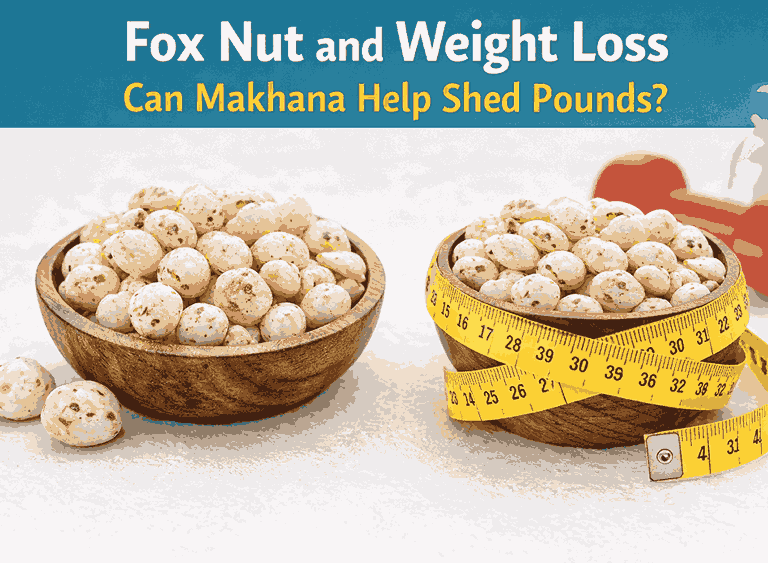
fox-nut-weight-loss
Health

Fox Nuts Good for Weight Loss? Complete Guide

Introduction We’ve all been there. It is 3 PM, the post-lunch slump is real, and your brain is screaming for a snack. On one side of the table sits a bag of greasy potato chips. On the other, a bland rice cake that tastes like cardboard. It feels like you have to choose between flavor and your waistline. (Fox nut) But what if the ultimate weight-loss snack has been hiding in plain sight? The one that offers a satisfying crunch, actual nutritional value, and a clean ingredient list? Meet the Fox Nut. Often overlooked in the Western diet but revered in Eastern wellness traditions for centuries, the humble Fox Nut—also known as Makhana—is rapidly gaining recognition as a secret weapon for weight management fox nut. But in a world flooded with “diet foods” (fox nut) that overpromise and underdeliver, does this puffy seed actually live up to the hype? In this guide, we’ll move beyond the generic “superfood” labels. We’ll explore the nutritional science that makes Fox Nut a superior snack, share unique preparation methods to avoid hidden calories, and explain why this ancient food might just be the modern solution to your (fox nut) snacking struggles. What Is Fox Nut? Fox nut comes from the seeds of the lotus plant. These seeds are harvested, dried, and roasted to create the crunchy snack commonly known as makhana. Fox nuts are widely used in Indian cuisine and are often roasted with spices or used in desserts like kheer. What makes fox nuts special is their low calorie content and high nutritional value, which makes them ideal for people trying to maintain a healthy weight. Fox Nut Nutrition Facts The nutritional profile of fox nuts makes them a smart snack choice for weight loss. Nutrient Amount (per 100g approx.) Calories 340 kcal Protein 9 g Carbohydrates 77 g Fiber 14 g Fat 0.5 g Because phool makhana are low in fat and rich in fiber, they help keep you full for longer periods. Why Fox Nuts Are Good for Weight Loss 1. Low in Calories One of the main reasons fox nuts are good for weight loss is their low calorie density. Compared to fried snacks like chips, phool makhana contain fewer calories, making them a healthier option. Replacing unhealthy snacks with roasted phool makhana can significantly reduce your daily calorie intake. 2. High in Fiber Fiber plays an important role in weight management. It slows down digestion and keeps you feeling full for longer. phool makhana contain a good amount of dietary fiber, which helps reduce hunger and prevents overeating. 3. Good Source of Plant Protein Protein is essential for weight loss because it helps maintain muscle mass and improves metabolism. Fox nuts contain plant-based protein that can help support healthy weight management when combined with a balanced diet. 4. Low Fat Content Unlike many snacks that contain unhealthy fats, phool makhana are naturally very low in fat. This makes them an excellent snack for people who are trying to reduce fat intake. 5. Helps Control Cravings Many people struggle with cravings between meals. Fox nuts can be a great snack option because they are crunchy and satisfying. Eating a small portion of roasted phool makhana can help control hunger and prevent unhealthy snacking. Best Ways to Eat Fox Nuts for Weight Loss To get the maximum benefit, it is important to consume fox nuts the right way. 1. Roasted Fox Nuts Dry roastedphool makhana with a pinch of salt and spices make a healthy snack. 2. Fox Nut Salad Mix roasted fox nuts with vegetables like cucumber, tomato, and onions for a nutritious snack. 3. Fox Nut Trail Mix Combine phool makhana with nuts and seeds for a protein-rich snack. 4. Fox Nut Yogurt Bowl Add roasted fox nuts to yogurt along with fruits for a healthy breakfast option. How Much Fox Nut Should You Eat Daily? Moderation is important when including any food in your diet. Experts generally recommend consuming 30–40 grams of phool makhana per day as a healthy snack portion. Eating too much can increase calorie intake, which may slow down weight loss progress. Fox Nuts vs Other Popular Snacks Here is a simple comparison between fox nuts and other snacks. Snack Calories Fat Weight Loss Friendly Potato Chips High High No Cookies High High No Fox Nuts Moderate Very Low Yes This comparison shows why phool makhana are considered a healthier snack option. Additional Health Benefits of Fox Nuts Apart from weight loss, fox nuts provide several other health benefits: • Support heart health• Improve digestion• Help control blood sugar levels• Rich in antioxidants• Good for bone health Because of these benefits, phool makhana are often considered a superfood snack. Tips for Buying High Quality Fox Nuts When purchasing fox nuts, look for the following qualities: High-quality phool makhana taste better and provide better nutritional value. Conclusion phool makhana are a healthy, nutritious, and satisfying snack that can support weight loss when eaten in moderation. Their low fat content, high fiber levels, and moderate calories make them a better alternative to many processed snacks. However, it is important to remember that no single food can cause weight loss on its own. A balanced diet, regular exercise, and healthy lifestyle habits are essential for sustainable results. Including phool makhana as part of a balanced diet can be a simple and delicious way to move closer to your weight loss goals. Call To Action Have you tried adding Fox Nut to your diet for weight loss? Share your experience in the comments and let us know your favorite fox nut recipe. If you enjoyed this guide, explore more healthy snack articles on our blog.

fox-nut
Health

Fox Nut for Weight Management and Heart Health

Introduction: Can a Simple Snack Transform Your Health? What if the snack you reach for during tea time could actually support your fitness goals and protect your heart? That’s where Fox Nut enters the conversation. Known traditionally as makhana, phool makhana has been part of Indian households for centuries. But today, it’s gaining global attention as a functional super snack. Unlike processed chips or fried namkeen, Fox Nut offers crunch without guilt — and science is beginning to support what Ayurveda always believed. In this article, we’ll explore how phool makhana supports weight management and heart health, compare it with other snacks, and uncover practical ways to include it in your routine. What Is Fox Nut? Fox Nut comes from the seeds of the lotus plant (Euryale ferox). It is widely cultivated in Bihar, which produces nearly 80–90% of India’s supply. After harvesting, the seeds are dried, roasted, and popped — creating the light, airy snack we recognize. Nutritional Profile of Fox Nut Before discussing weight and heart benefits, let’s look at its nutrition per 100g (approximate values): 📌 Key Insight: phool makhana delivers protein and fiber with extremely low fat compared to common snacks. How Fox Nut Supports Weight Management 1) Low-Calorie, High Satiety Snack Weight management is not just about eating less — it’s about feeling full longer. Fiber slows digestion, helping you feel satisfied. According to research from Harvard T.H. Chan School of Public Health, fiber-rich foods improve satiety and support weight control. When roasted without excess oil, becomes a smart evening snack instead of calorie-dense alternatives. 2) Low Glycemic Index for Stable Blood Sugar Stable blood sugar = fewer cravings. Fox Nut has a relatively low glycemic index, meaning it releases energy slowly. This helps: This makes it particularly useful for people managing weight or insulin resistance. 3) Mindful Snacking Advantage Here’s something often ignored: texture affects eating speed. Fox Nut is crunchy but light. You chew more, eat slower, and feel satisfied with smaller portions. Compared to chips that encourage overeating, phool makhana promotes mindful eating. How Fox Nut Supports Heart Health Heart disease remains one of the leading global health concerns. Diet plays a major role. 1) Extremely Low Fat Content Unlike fried snacks loaded with trans fats, phool makhana is naturally low in fat. According to the World Health Organization, reducing unhealthy fat intake lowers cardiovascular risk. Plain roasted phool makhana aligns well with heart-friendly eating patterns. 2) Rich in Magnesium Magnesium helps regulate: phool makhana contains magnesium, which supports cardiovascular function. Research from American Heart Association suggests magnesium-rich diets are linked to improved heart outcomes. 3) Antioxidant Properties Fox Nut contains natural antioxidants such as flavonoids. Antioxidants help reduce oxidative stress — one of the contributors to artery damage and heart disease. While phool makhana isn’t a miracle cure, it contributes positively to a heart-friendly diet when combined with fruits, vegetables, and whole grains. Fox Nut vs Other Popular Snacks Let’s compare practical scenarios. Evening Tea Snack Comparison Conclusion: Fox Nut stands out as a cleaner, lighter alternative. Simple Ways to Use Fox Nuts for Weight and Heart Health Instead of just saying “eat makhana,” here are strategic ways: 1. fox nut :-Replace Evening Junk Swap chips with dry roasted phool makhana (no added sugar, minimal salt). 2. fox nut :-Spice Smartly Use: Avoid heavy butter or caramel coatings if weight loss is your goal. 3. fox nut :-Add to Salads Crushed phool makhana works like croutons — but healthier. 4. fox nut :-Post-Workout Light Snack Because it’s light and easy to digest. A Fresh Perspective: Why Fox Nut Works in Real Life Many “healthy snacks” fail because they don’t satisfy cravings. phool makhana succeeds because: This psychological satisfaction is often overlooked in diet discussions. When people switch to phool makhana, compliance improves — and consistency is the real secret of weight and heart health. Portion Control Matters Even healthy snacks can cause weight gain if overeaten. Recommended portion: 25–30 grams per serving (about one small bowl) Pair it with: Who Should Be Careful? Always choose plain or lightly seasoned versions. The Bigger Picture: Fox Nut in a Balanced Lifestyle phool makhana alone won’t cause weight loss or prevent heart disease. But when combined with: It becomes a powerful part of a sustainable lifestyle. Conclusion: Is Fox Nut Worth Adding to Your Diet? If you’re looking for a snack that supports weight management and heart health, phool makhana is one of the smartest traditional options available. It is:✅ Low in fat✅ Moderate in protein✅ Rich in minerals✅ Crunchy and satisfying✅ Easy to include daily Instead of chasing expensive imported “superfoods,” sometimes the answer lies in traditional wisdom backed by modern science. Suggested Visuals for Your Blog Internal Linking Suggestions (For Your Website) You can internally link to: Call to Action Are you already including Fox Nut in your diet?Drop a comment and share your favorite recipe! If you’re looking for premium-quality roasted makhana, explore trusted sources and choose clean, minimally processed options.

Golmoti – Premium Quality Makhana

Our Promise

At Golmoti, premium quality makhana comes first.
We ensure every pack delivers freshness, purity, and authentic taste.

Contact Us

India,Bihar, Dist-Darbhanga,Benipur,Pauri.847201

support@golmoti.com

Copyright ©  2026 All right reserved

Scroll to Top