
Pregnancy brings extra nutrition needs and questions about every bite. One trendy snack is makhana (also called fox nuts or lotus seeds) – a light, crunchy puff often touted as a superfood. Even India’s Prime Minister recently revealed he eats fox nuts “at least 300 out of 365 days a year”. But is it a healthy choice for expectant moms? In this guide we dive into what makhana is, its nutrient profile, pregnancy-specific benefits, and any safety concerns backed by research. By the end, you’ll know whether to grab a handful of these airy pops or skip them at your next snack craving.
What Is Makhana and Why Is It Popular?
Makhana are the popped seeds of the aquatic plant Euryale ferox, commonly grown in ponds across parts of India and Asia. After harvesting, each seed is roasted until it “pops” into a fluffy, popcorn-like bite. Traditionally eaten plain or in sweets like kheer (rice pudding), fox nuts has gained modern fame for its nutrition. It’s naturally gluten-free, low in allergens, and dry-packed for convenience.
Nutritionally, makhana is a nutrient-dense seed. For example, 100 grams of fox nuts contains about 356 calories, 9.7 g protein, 14.5 g fiber and just 0.6 g fat. It also supplies minerals like calcium (56 mg), potassium, phosphorus and magnesium. Health writers call it a “protein plant powerhouse” because of this mix. In practical terms, one cup (≈32 g) of popped fox nuts provides roughly 5 g protein, 3 g fiber and 200 mg potassium. It is notably high in carbohydrates (mostly starch) but has a very low fat and sodium content, which appeals to health enthusiasts.
Beyond macros, makhana boasts antioxidants. Studies have identified polyphenols like gallic acid and ellagic acid in lotus seeds. These compounds can neutralize free radicals and may reduce inflammation. In fact, Moneycontrol notes makhana “contains flavonoids that possess potent anti-inflammatory and antioxidant properties… reducing the risk of chronic conditions like cardiovascular disease”. In short, makhana delivers fiber, plant protein, and micronutrients along with bioactive antioxidants – a combination that fits many nutrition trends.
Makhana (fox nuts) are popped lotus seeds that pack fiber, protein and minerals into a crunchy snack (Image: Wesley Tingey/Pexels). Source: Unsplash
Nutritional Benefits for Pregnancy
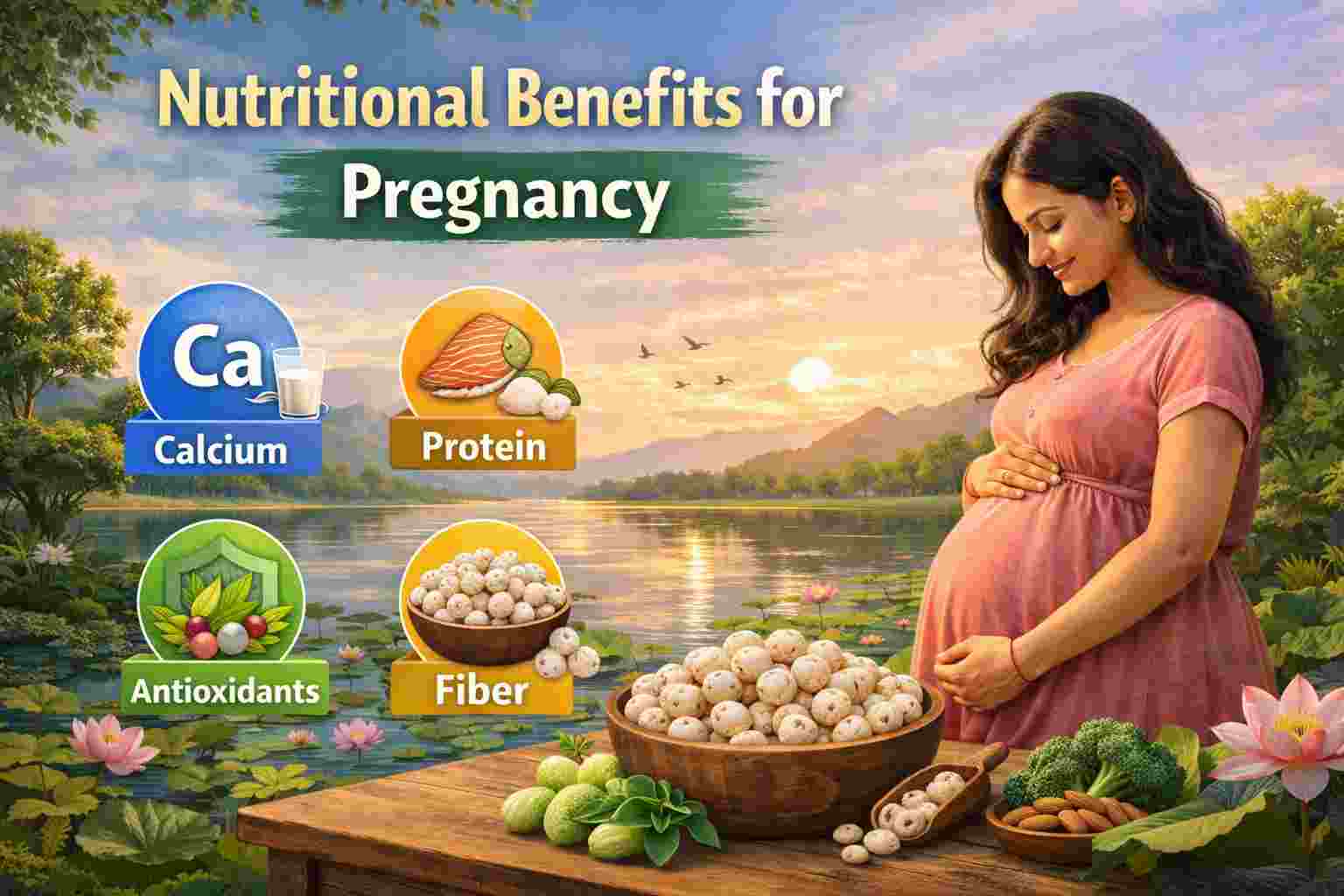
For pregnant women, nutrient needs increase: more protein, calcium, iron, and fiber are often recommended. Makhana can support several of these needs:
Calcium & Bone Health:
- Makhana is a good source of calcium (≈56 mg per 100 g), which helps build the baby’s bones. Moneycontrol highlights its “rich in calcium” content for “strong bones”. When combined with other sources (dairy, leafy greens), it contributes to meeting the roughly 1,000 mg calcium daily target for pregnancy.
Lean Protein:
- Protein is vital for fetal growth, and makhana’s 9–10% protein by weight (mostly high-quality plant protein) can complement other proteins in the diet. Compared to nuts like peanuts (25–30% protein), makhana has less protein per gram, but also far fewer calories and almost no fat. It’s a “lighter” protein-rich snack to help you feel full without excess calories, which can aid healthy weight gain.
Fiber & Digestion:
- With about 14–15 g fiber per 100 g, makhana helps relieve common pregnancy constipation. In fact, some pregnant women swap it for chips or fried snacks: the fiber can promote regularity and satiety. (As one nutritionist notes, eating crunchy fiber-rich snacks like makhana may help reduce digestion woes during pregnancy.) However, keep portions reasonable, as sudden increases in fiber can cause gas or bloating, especially if you’re not used to it.
Magnesium & Blood Pressure:
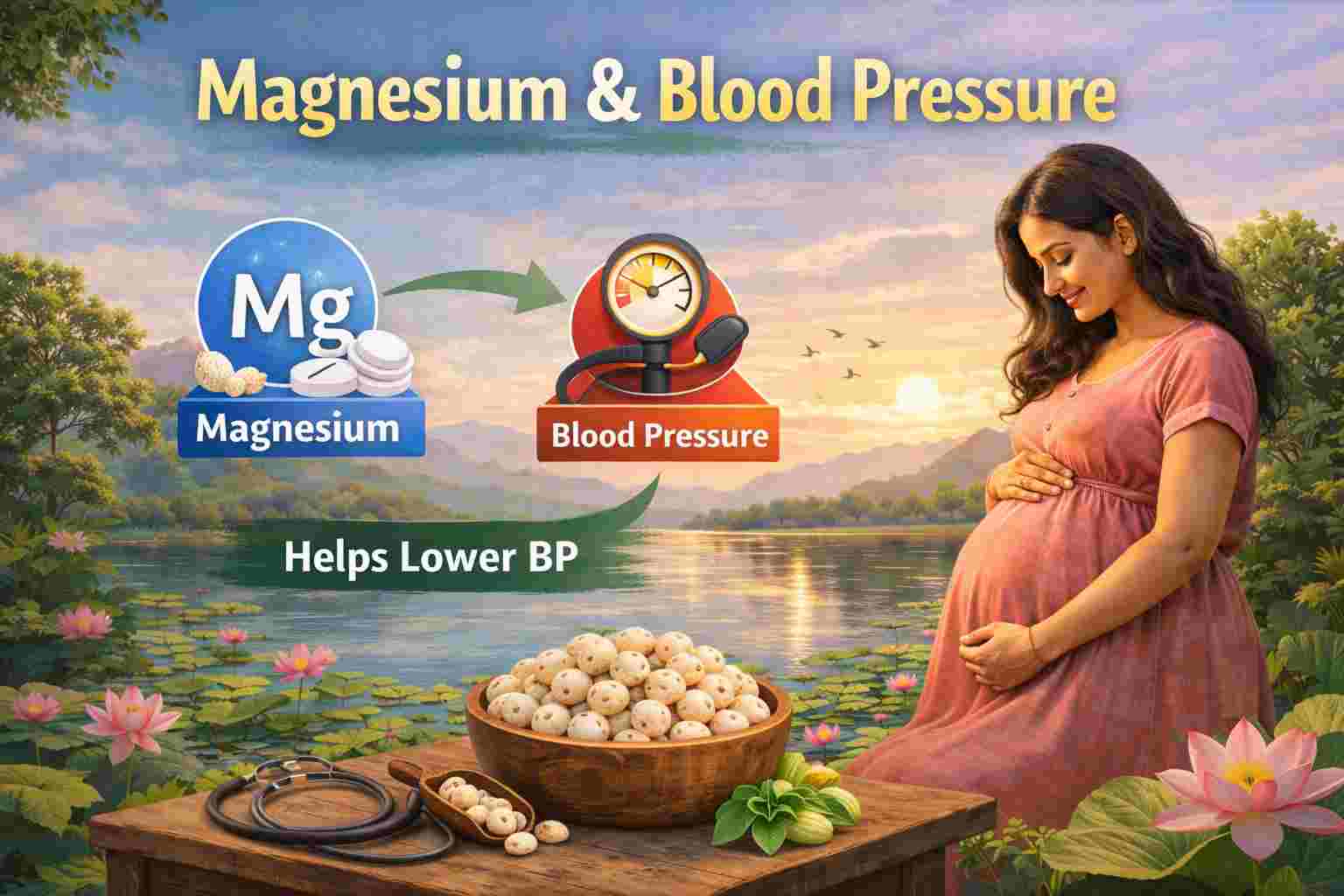
- Makhana provides magnesium (≈67 mg/100 g) and potassium, nutrients linked to smooth muscle and nerve function. These minerals can help regulate blood pressure – important as blood volume rises in pregnancy. Moneycontrol specifically points out makhana’s low sodium/high potassium ratio as beneficial for blood pressure control. While it’s not a substitute for medication if you have hypertension, the nutrient profile is a bonus for a healthy pregnancy.
Low Glycemic Index:
- Makhana’s starch is slowly digested, meaning it has a relatively low glycemic index (GI) compared to processed snacks. This can help stabilize blood sugar levels, which is crucial in pregnancy (especially if you have gestational diabetes risk). Indeed, research suggests lotus seeds may improve blood sugar regulation (though most studies are in animals). In practice, pregnant women with blood sugar concerns might prefer this to high-sugar treats, but of course any snack should be balanced in a diverse diet.
Minimal Additives:
- Naturally gluten-free and unsalted (when bought plain), makhana avoids many additives found in chips or packaged snacks. This means no trans fats, and if prepared at home, you can control extra salt or oil. Avoid very high-salt or sugar-coated versions (like some masala or caramel-coated makhana) if you’re watching your blood pressure or sugar levels.
Makhana vs. Other Snacks
To put makhana’s nutrition in perspective, consider this comparison of a 100 g serving of roasted makhana vs. peanuts (a common protein snack):
| Nutrient (per 100 g) | Makhana | Peanuts |
|---|---|---|
| Calories | 356 kcal | 567 kcal |
| Protein | 9.7 g | 25.8 g |
| Fiber | 14.5 g | 8.5 g |
| Fat | 0.6 g | 49.2 g |
This table (based on USDA-derived data) shows makhana is much lower in calories and fat, but higher in fiber, compared to peanuts. In pregnancy, that means makhana can be a filling, nutrient-dense snack with minimal fat, while peanuts deliver more protein (but at higher calories). Unlike chips or sweets, makhana is not a “empty-calorie” snack – it contributes real vitamins and minerals to your diet.
Figure: One cup (32 g) of popped makhana provides protein, fiber, calcium, magnesium, phosphorus, and potassium.
Safety Considerations
While makhana has benefits, no food is risk-free. Here are key safety points for pregnant women:
- Heavy Metals: Lotus plants grow in water, and studies warn they can accumulate metals from polluted ponds. In one study of makhana grown in northern India, the seeds bioconcentrated toxic metals (lead, chromium, etc.) in proportion to the contaminated water. This suggests impure sources can yield unsafe levels. To minimize risk: buy from reputable brands (organic if possible), rinse thoroughly, and ideally confirm the farm origin. Regulatory agencies don’t specifically test lotus seeds, so consumer vigilance is wise.
- Mycotoxins (Molds): Like many dried foods, makhana can harbor mold toxins if stored improperly. A survey found ≈30% of makhana puffs were contaminated with aflatoxins, ochratoxins or citrinin. Aflatoxin, in particular, is a potent carcinogen and can harm fetal growth: maternal exposure has been linked to impaired fetal development and anemia. Thus, always use fresh makhana. Check the best-by date, keep it in a cool, dry place, and avoid any that look or smell off. Roasting the seeds thoroughly (as normally done) helps kill any mold, but not completely eliminate pre-formed toxins. Treat makhana like nuts or grains: store well-sealed and consume within a reasonable time.
- Allergies: True makhana allergy is very rare. However, Moneycontrol notes that people with pre-existing food allergies (like nut allergies) should still introduce new foods cautiously. After roasting, makhana has a neutral flavor and isn’t among common allergens, but anyone with a history of unusual reactions to seeds should be careful. At the first few tries, watch for itching, swelling or stomach upset. If you have celiac disease or gluten sensitivity, rest assured makhana is naturally gluten-free (unless cross-contaminated during processing).
- Digestive Upset: The high fiber that eases constipation can backfire if eaten in excess. Some women report gas, bloating, or loose stools if they over-indulge in makhana. Start with small portions (a handful) and see how your body tolerates it. Eating it slowly and chewing well also helps digestion. If you have known irritable bowel or digestive sensitivity, monitor portion size or consult a dietitian.
- Salt and Flavoring: Often, makhana is roasted with ghee or oil and lightly salted. Excess salt can elevate blood pressure, so pregnant women with hypertension should prefer unsalted or lightly salted makhana. Also avoid heavily spiced packets (e.g. masala-coated) which can be oily and sodium-rich. To be safe, make your own: dry-roast plain makhana and add just a pinch of iodized salt and mild spices (turmeric, cumin, etc.) at home.
- Interactions with Medications: If you’re on blood pressure medication or other prescriptions, remember that makhana itself contains minerals (potassium, magnesium) that could, in theory, interact with diuretics or blood pressure drugs. As Moneycontrol advises, “consult a healthcare provider if you are on antihypertensive medications before consuming it in large amounts”. This is true for any potassium-rich food. In practice, enjoying small to moderate portions of makhana (1–2 handfuls per day) is unlikely to cause issues if your diet is balanced, but it’s wise to mention new foods to your OB-GYN or dietitian.
- Research Gaps: Finally, pregnancy data on makhana specifically is limited. While it’s been eaten for centuries and now enjoys popularity, formal studies on pregnant women are lacking. Some experts therefore advise caution: Joshi notes “pregnant women are advised to consume it in moderation, given the lack of extensive research on its effects during pregnancy”. This isn’t a warning of known danger, but a reminder that “too much of anything” and unknown variables call for prudence. Ultimately, makhana’s track record is good, but like any snack, moderation and variety are key.
How to Enjoy Makhana in Pregnancy
If you decide to include makhana in your pregnancy diet, here are some healthy ways to eat it:
- Roast at Home: Gently dry-roast raw makhana in a pan (with a teaspoon of ghee or light oil) until crisp. Sprinkle a pinch of salt and cumin or turmeric for flavor. This simple preparation keeps calories low and avoids preservatives.
- As a Snack: Keep small portions on hand (about 30 g) to curb mid-morning or evening hunger. It’s much lighter than chips yet satisfying. You can even pack roasted makhana in your hospital bag as a quick “pick-me-up” snack.
- In Meals: Crush roasted makhana and use as a crunchy topping on soups or salads. Add them to porridge (dalia) or mix into yogurt with fresh fruit. In some Indian homes, a “makhana bhel” is made: roasted makhana tossed with chopped onions, tomatoes, and fresh coriander, lightly dressed – a crunchy, nutritious chaat (street-food style salad).
- Sweet Kheer: Makhana kheer is a traditional pudding made by simmering them in milk and sugar. To make a healthier version, use low-fat milk or a milk substitute, limit the sugar, and flavor with cardamom. This can be a comforting dessert that also provides calcium and calories when you need them.
- Trail Mix: Mix roasted makhana with other nuts and seeds (pumpkin seeds, walnuts, etc.), dried fruits (raisins, dried cranberries) and a few whole-grain cereal puffs for a balanced trail mix. This combines fiber, protein and healthy fats in one snack.
Dietitian Tip: “A simple bowl of makhana tossed with a bit of ghee, salt, and pepper is perfect for curbing hunger,” suggests food technologist Marisha Baurai. For variety, try makhana bhel (chopped veggies & herbs) or even a cooling makhana raita (roasted makhana in yogurt). These ideas add flavor and nutrients to plain makhana.
Always practice food safety: wash hands and surfaces, use clean utensils, and store makhana in airtight containers after opening.
Conclusion & Takeaways
In summary, makhana can be a healthy, pregnancy-friendly snack when used wisely. It offers protein, fiber, calcium and antioxidants with few calories or additives – attributes that match well with prenatal nutritional goals. The evidence suggests it’s safe for most expectant women, especially in moderation. The main caveats are ensuring cleanliness (to avoid mold or metal contamination) and not overdoing portion size. There’s no evidence that makhana is harmful to pregnancy; rather, traditional use and modern nutrition science both point to benefits.