

If you’ve scrolled through health food blogs lately or wandered down the “healthy snacks” aisle of your local grocery store, you’ve likely encountered them: light, puffy, white kernels that look like popcorn’s sophisticated cousin. They go by many names—Fox Nut, Lotus Seed, Phool Makhana, or Gorgon nut.
At first glance, they seem unassuming. But bite down on a roasted Fox Nut, and you experience a unique sensation: an airy crunch that dissolves into a satisfying, starchy bite. It’s this texture, combined with a neutral, slightly sweet flavor, that has allowed this ancient ingredient to stage a major comeback.
But Fox Nut isn’t just a trendy snack. It is a nutritional powerhouse with roots deep in Asian history, spirituality, and traditional medicine. Today, we’re diving deep into the ponds of Eastern Asia to unearth the story of this remarkable seed and discover why it deserves a permanent spot in your pantry.
Quick definition: the essentials
phool makhana = the popped seed of the aquatic plant commonly known as Euryale ferox (often called gorgon nut or lotus seed in some regions). The raw seeds are hard, white kernels that are popped over heat (similar to popcorn) to become the airy, crunchy snack you recognize.
A Nutritional Profile That Packs a Punch
Why has phool makhana become the darling of nutritionists? The answer lies in its impressive chemical profile. While many snacks offer empty calories, Makhana offers a complex mix of macronutrients and micronutrients that promote wellness from the inside out.
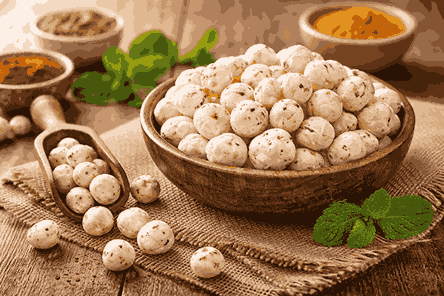
Here is a breakdown of what makes this seed so special:
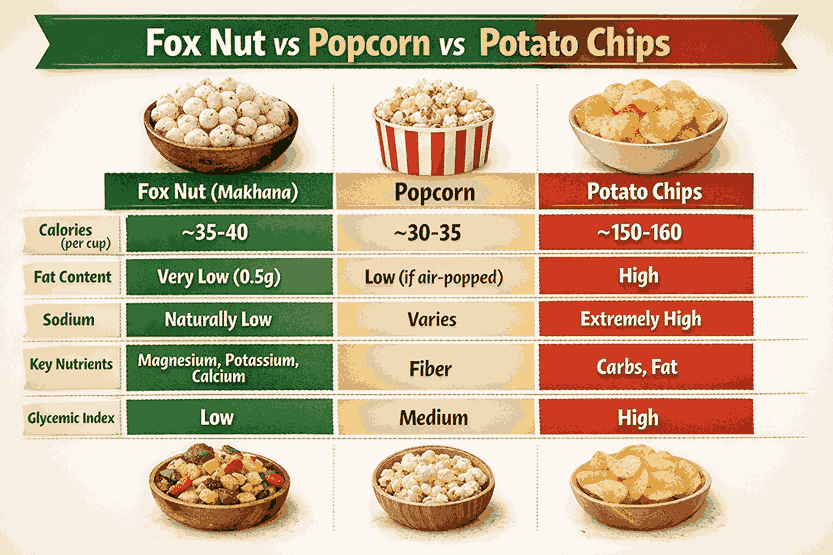
- Low Glycemic Index: Unlike many carb-heavy snacks, phool makhana has a low glycemic index. This means it releases sugar slowly into the bloodstream, preventing the dreaded “sugar crash” and making it a diabetes-friendly option.
- High Magnesium Content: Just one serving of phool makhana contains a significant amount of magnesium. Magnesium is crucial for over 300 biochemical reactions in the body, including nerve function, blood pressure regulation, and muscle recovery.
- Astringent Properties: In Ayurveda, phool makhana is considered a “stambhana” (astringent) food. It helps absorb excess fluid in the body and is often recommended for reducing inflammation and treating diarrhea.
- Alkalinity: Many modern diets are high in acidic foods (meat, dairy, processed sugar). phool makhana has an alkalizing effect on the body, which can help reduce inflammation and improve overall cellular health.
- Flavonoids: These are antioxidant compounds found in phool makhana that help fight oxidative stress and free radical damage, potentially slowing the aging process and boosting immunity.
For a visual comparison of how phool makhana stacks up against other common snacks, take a look at the table below:
A Culinary Chameleon: From Curries to Desserts
One of the most exciting aspects of phool makhana is its versatility. In the West, it is often viewed simply as a savory snack—roasted with olive oil and sea salt. But in its native lands, it is a culinary chameleon.
1. Fox Nut: The Savory Route
The classic preparation is simple: heat a teaspoon of ghee (clarified butter) in a pan, add the Fox Nut, and roast until crisp. Sprinkle with black salt and cayenne pepper for a warming, addictive snack that pairs perfectly with a cup of tea on a rainy day.
For a more gourmet approach, try tossing them with rosemary and parmesan, or go bold with a chaat masala spice mix.
2. The Thickening Agent
Before cornstarch was ubiquitous, Indian cooks used ground Fox Nut (often called Makhana ka atta) as a thickener for curries and gravies, specifically in dishes like Mughlai cuisine or during religious fasts when grains are prohibited. It adds a velvety texture without altering the flavor of the dish.
3. The Dessert (Kheer)
Perhaps the most divine use of Fox Nut is in Makhana Kheer. The puffs are simmered gently in milk, sugar, and cardamom until they soften slightly but retain a bit of their bite. They absorb the creamy, sweet liquid, becoming tender dumplings in a rich, aromatic pudding. It is a staple dessert during festivals like Navratri.
Personal Insight: I first experienced Fox Nut not as a snack, but as a dessert at a small eatery in Varanasi. The vendor slowly simmered the Makhana in reduced milk, topping it with slivers of pistachio. The texture was otherworldly—soft on the outside with a gentle chew in the center. It wasn’t until years later, seeing them in their raw, crunchy form at a health food store, that I made the connection. It was a powerful reminder that the same ingredient can be a crunchy, savory chip in one context and a luxurious, creamy pudding in another.
How to Select and Store Fox Nut
To get the most out of your Fox Nut experience, you need to start with a quality product.
- Look for Purity: High-quality Fox Nut should be pure white or off-white in color. Avoid any that look yellow or have a musty smell, as this indicates age or moisture damage.
- The Crunch Test: If you can squeeze the phool makhana and it crumbles easily, it is stale. Fresh seeds should be firm and offer resistance before breaking with a clean, crisp snap.
- Storage: Because they are dried, phool makhana loves moisture. Moisture is the enemy of crunch. Always store them in an airtight glass or metal container away from sunlight. If you live in a humid climate, you can keep them in the refrigerator to extend their shelf life and maintain crispiness.
The Future of Fox Nut in the Global Market
The global trajectory for Fox Nut is pointing sharply upward. As the demand for plant-based, gluten-free, and clean-label snacks explodes, this humble aquatic seed is perfectly positioned to become a global staple.

According to market research reports, the Fox Nut processing industry is undergoing a massive transformation. What was once a manual, household-level trade is now attracting investment for mechanized processing units. Companies are experimenting with exciting flavors—from Tangy Tomato to Wasabi—to appeal to international palates while retaining the seed’s inherent health benefits.
Furthermore, because it is cultivated in water, Fox Nut farming has a lower carbon footprint compared to many land-based crops and requires minimal pesticides. As consumers become more eco-conscious, the sustainability factor of Fox Nut will only add to its appeal.
Conclusion: Embrace the Crunch
So, what is Fox Nut?Fox Nut carries the calm of the pond and the energy of a fresh harvest. It offers a crunchy snack that satisfies cravings without the guilt of processed oils. For centuries, people have valued it as a medicinal food, and today science recognizes it as a modern superfood.
Enjoy Fox Nut as a crunchy evening snack, a creamy dessert, or a natural thickener in soups and stews. This humble seed beautifully connects ancient wisdom with modern healthy living.
Have you tried cooking with Fox Nut? Have a favorite Fox Nut recipe? Share it in the comments—we’d love to know how you enjoy this incredible ingredient. For more nutritious discoveries, explore our guide to other ancient grains making a comeback.