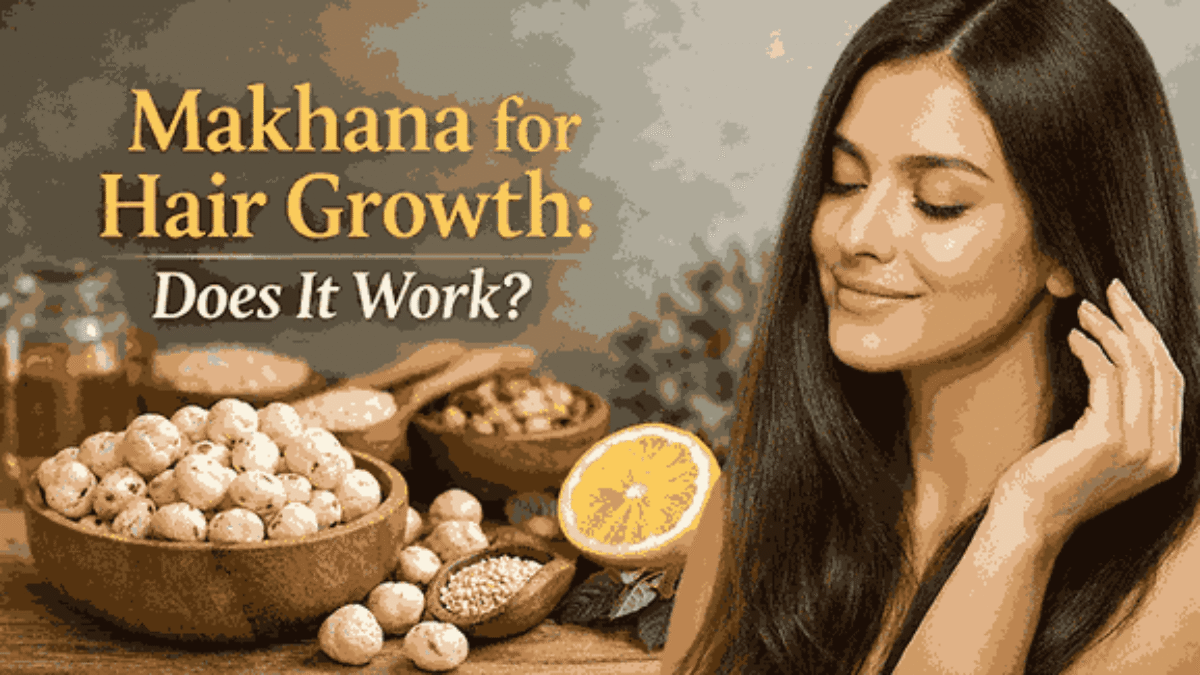
Ever looked at a bowl of roasted makhana and wondered whether this light, crunchy snack could do something bigger for your body—like support thicker, healthier hair? It is an appealing idea. After all, makhana already has a “healthy snack” halo around it, and in beauty conversations, foods that are high in minerals, antioxidants, and plant compounds often get promoted as miracle fixes.
But hair growth does not work like a switch you flip with one snack.
Here is the honest answer: makhana is not a proven hair-growth food on its own, but it can still play a useful supporting role in a hair-friendly diet. That distinction matters. If your hair loss is tied to stress, iron deficiency, hormonal changes, poor protein intake, or scalp inflammation, no single ingredient—not even a nutritious one—will solve everything. Still, makhana can fit into a smarter routine because it offers protein, minerals, and antioxidant compounds without the sugar crash or deep-fried heaviness of many snack foods.
This post breaks down where makhana may help, where the claims get exaggerated, and how to use it realistically if your goal is stronger, healthier hair.
Quick answer: Does makhana help hair growth?
Not directly in the way viral wellness claims often suggest. There is no strong clinical evidence showing that makhana itself stimulates new hair growth. What it may do is support the conditions that healthy hair needs: steady nutrition, better snack choices, and a diet that does not crowd out more important nutrients.
Hair strands are made mostly of protein, and the hair-growth cycle is influenced by iron, zinc, vitamin D, overall calorie intake, thyroid health, and hormones. Nutritional deficiencies are a recognized contributor to hair shedding, and research in dermatology has repeatedly shown that correcting deficiencies can improve some forms of hair loss. Reviews in journals indexed by PubMed have discussed links between hair loss and nutrients such as iron, zinc, vitamin D, selenium, and protein balance. That does not make makhana a treatment. It makes it a supportive food, especially when it replaces ultra-processed snacks that add very little nutritional value.
Think of makhana like a helpful side character, not the hero of the story. It can support the environment in which hair grows, but it cannot override underlying medical causes.
What is makhana, exactly?
Makhana, also called fox nuts or popped lotus seeds, comes from the seeds of Euryale ferox. It is popular across South Asia, especially as a roasted snack. Its biggest advantage is that it is light, versatile, and easy to digest for many people. You can eat it savory, mildly spiced, or even mixed into trail snacks.
From a nutrition perspective, makhana is usually praised for being relatively low in calories, low in saturated fat, and a source of small amounts of protein and minerals. Depending on portion size and preparation, it can fit nicely into a balanced eating pattern. That matters more than it sounds. Many people trying to “eat for hair growth” focus only on adding superfoods, when the real win often comes from swapping out foods that work against overall health.
A bowl of roasted makhana is not just about what it contains. It is also about what it may replace: chips, sugary biscuits, or highly salted snacks that leave you full but undernourished.
Why do people connect makhana with hair health
The logic usually goes like this: healthy hair needs nutrients, makhana contains nutrients, so makhana must grow hair. That sounds neat, but biology is messier.
Hair health depends on a full system. The scalp needs circulation and a healthy skin barrier. Hair follicles rely on protein-derived amino acids to support healthy growth. The body needs enough iron to carry oxygen effectively, enough zinc for tissue repair, and enough energy overall to keep hair in its active growth phase. Severe dieting, chronic stress, and illness can push hair into increased shedding, a condition often called telogen effluvium. The American Academy of Dermatology and dermatology literature both stress that hair loss is often multifactorial, not caused by one “missing” food.
Still, the reason people talk about makhana is not completely random. It may contribute in three indirect ways: it offers some protein, it provides minerals in modest amounts, and it can help people snack better without feeling deprived.
Makhana vs foods that are actually more powerful for hair growth
Here is where perspective matters. “If you’re wondering which foods deliver the most nutrients for healthier hair, this is the question to ask.” makhana is helpful, but not top-tier.
| Food | Why it helps hair | Relative strength for hair nutrition |
|---|---|---|
| Eggs | Rich in protein and biotin | High |
| Greek yogurt | Protein plus supportive nutrients | High |
| Lentils/beans | Protein, iron, folate | High |
| Pumpkin seeds | Zinc, healthy fats, minerals | Moderate to high |
| Salmon/sardines | Protein, omega-3 fats, vitamin D | High |
| Makhana | Light snack with some protein and minerals | Moderate support |
| Chips/cookies | Low nutrient density | Very low |
That table tells the real story. Makhana is better than junk snacks, but it is not stronger than eggs, legumes, seeds, dairy, or fish when the goal is hair nourishment.
The nutrients in makhana that may matter for hair
Protein: useful, but not enough on its own
Hair is built from keratin, a structural protein. That means inadequate protein intake can affect hair strength and growth over time. Makhana does contain protein, which is a plus, especially in plant-forward diets. The catch is that the amount per serving is modest. You would not rely on makhana alone to meet your daily protein needs.
A more realistic approach is to treat makhana as a bridge food. For example, pair it with yogurt, a handful of nuts, or roasted chickpeas. Suddenly it becomes part of a snack that is much more meaningful for hair health.
Minerals and antioxidants: supportive, not magical
Makhana is also associated with minerals such as magnesium, phosphorus, and smaller amounts of other trace nutrients. Antioxidant-rich foods may help reduce oxidative stress, which has been explored in aging and some hair and scalp concerns. That sounds promising, but it is still a leap to say antioxidants from makhana directly trigger new hair growth.
What they may do is support overall health, especially as part of a varied diet full of whole foods. That is an important difference. Hair likes consistency more than hype.
Where makhana can genuinely help
This is the part that gets overlooked: makhana may help hair indirectly because it makes healthy eating easier.
When people are busy, stressed, or trying to improve their diet, snacking is often where things fall apart. A simple snack that is easy to keep around can stop the blood sugar swings, random cravings, and “I’ll just skip lunch” pattern that sometimes feeds poor nutrition. That matters because hair is surprisingly sensitive to under-eating and erratic diets.
In that sense, makhana works best not as a remedy, but as a routine-builder. It is especially useful for people who want:
- A lighter evening snack
- A less processed alternative to chips
- A crunchy add-on to nutrient-dense snack mixes
- A fasting-friendly or simple pantry staple
That may not sound glamorous, but real hair progress usually comes from these boring, repeatable habits.
Where the claims go too far
Makhana cannot fix deficiency-related hair loss by itself
If your hair shedding is caused by low iron, low vitamin D, thyroid issues, PCOS, postpartum changes, or significant stress, makhana will not correct the root problem. In some cases, waiting too long while trying food trends can delay proper treatment.
This is especially important if you have symptoms like widening part lines, sudden heavy shedding, scalp pain, fatigue, irregular periods, or brittle nails. Those signs deserve medical attention, not just kitchen experiments. Organizations like the NHS and Mayo Clinic both note that hair loss can be tied to broader health issues.
It is not a substitute for a complete diet
There is also a tendency online to label any clean-looking food a superfood. But hair follicles need a team effort: protein, iron, zinc, essential fats, B vitamins, enough calories, and decent sleep. Makhana can join the team. It is not the whole team.
A practical way to eat makhana for hair-friendly nutrition
If you want to include makhana in a hair-supportive diet, the smartest move is to combine it with foods that cover its weaknesses.
Try these combinations:
- Roasted makhana with Greek yogurt and berries
- Makhana trail mix with pumpkin seeds, almonds, and walnuts
- Lightly spiced makhana with a side of boiled eggs
- A refreshing makhana chaat made with crunchy fox nuts, fresh cucumber pieces, peanuts, and a squeeze of lemon.
These pairings help because they improve the protein, healthy fat, and micronutrient profile of the snack. That gives your body more of what it actually uses to support scalp and hair function.
A personal perspective: why makhana works better as a habit than a hack
One reason makhana gets attention is that it feels easy. It does not ask much from you. No blender, no expensive supplement, no dramatic detox language. Just roast, season, eat.
That simplicity is exactly why it can be valuable. The best “beauty foods” are often the ones you can keep using without turning your life into a project. In real life, hair care is not built on one miracle ingredient. It is built on the meals and snacks you reach for when you are tired, busy, or trying not to undo your progress.
So while makhana may not be a direct hair-growth booster, it has something many trendier foods do not: consistency. And consistency is where results usually begin.
Best ways to support hair growth alongside makhana
If hair growth is your goal, build around makhana, not on top of it.
Focus on:
- Getting enough daily protein from eggs, dairy, legumes, tofu, fish, or lean meat
- Checking iron, vitamin D, B12, or thyroid markers if hair shedding is persistent
- Managing stress and sleep, because both affect the hair cycle
- Using gentle scalp care instead of aggressive scrubs or constant oil layering
- Seeing a dermatologist if loss is ongoing or patterned
For deeper reading, a good internal link here would be something like best protein-rich foods for hair growth or signs your hair loss may be due to deficiency.
Conclusion
So, does makhana work for hair growth? Not in the miracle-food sense. There is no strong evidence that makhana alone can stimulate new hair growth or reverse hair loss. But that does not make it useless. It can still be a smart part of a hair-supportive lifestyle because it is a cleaner snack choice, offers modest nutrition, and fits well into routines that improve overall dietary quality.
The most realistic takeaway is this: makhana helps most when it replaces poorer snacks and sits beside stronger hair-supportive foods, not when it is sold as a beauty shortcut. If you enjoy it, keep it in your routine. Just do not expect it to do the heavy lifting that protein, iron, hormones, scalp health, and medical care are supposed to do.
If you have been using makhana regularly, share how you eat it and whether you noticed any difference in your hair, scalp, or overall diet quality.
FAQs
1. Is makhana good for hair fall?
It can be mildly supportive as part of a balanced diet, but it is not a direct treatment for hair fall. If hair loss is significant or sudden, look for underlying causes.
2. Can I eat makhana daily for hair growth?
Yes, in moderate portions, especially if it helps you replace less nutritious snacks. Daily use is fine for many people, but it should be part of a wider nutrient-rich diet.
3. Which is better for hair: makhana or nuts?
Nuts usually offer more healthy fats and, depending on the type, more hair-relevant nutrients. Makhana is lighter and easier to snack on, but nuts often deliver stronger nutritional value.
4. Does makhana contain biotin?
Makhana is not usually known as a major biotin source. Foods like eggs, legumes, nuts, and seeds are more commonly discussed in biotin-focused hair nutrition.
5. Can makhana reverse thinning hair?
No food can reliably reverse thinning hair on its own. If you have ongoing thinning, especially around the crown or part line, a dermatologist can help identify the cause and the best treatment path.