
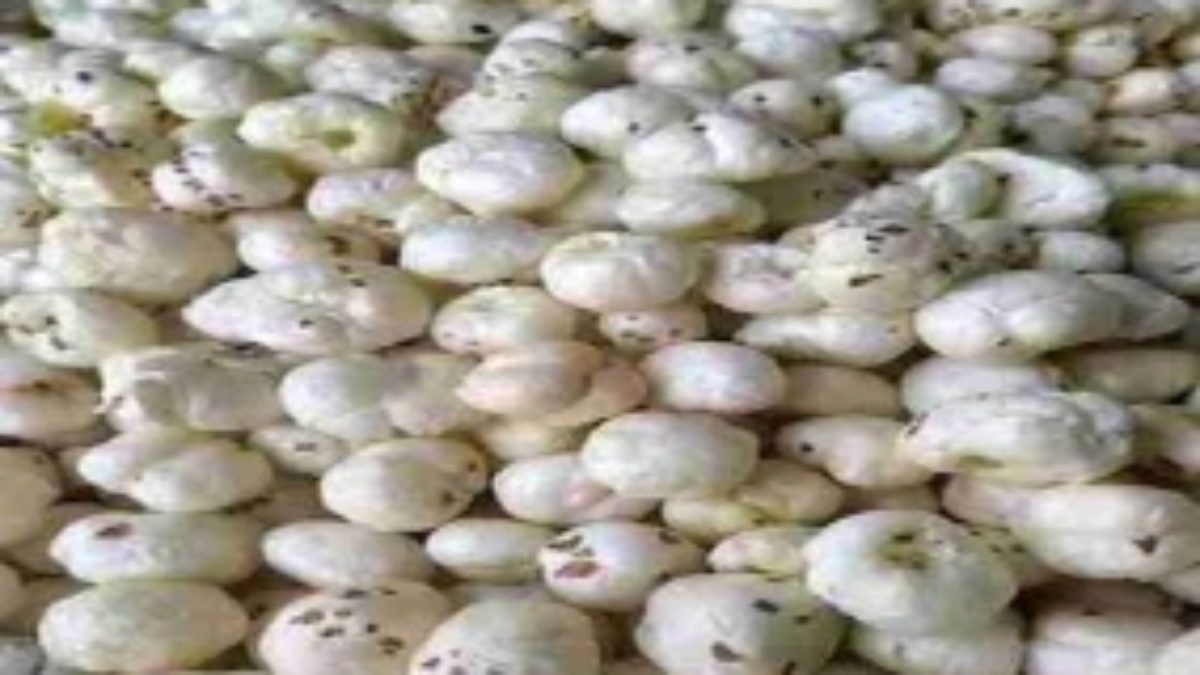
Makhana seeds are the seeds of the lotus plant that grow in water. They are commonly known as makhana or fox nuts. In India, the highest production of makhana takes place in the state of Bihar.
Makhana seeds are round, light in weight, and white in color. They are considered a healthy and light snack. Makhana are also important during fasting, festivals, and religious ceremonies. Nowadays, health-conscious people include makhana in their daily diet.
How Are Makhana Seeds Cultivated?
Makhana seeds are not grown like normal crops on dry land. They are cultivated in ponds or water-filled fields. That is why makhana farming is different and requires more effort.
First, farmers prepare ponds or water-filled fields. Then makhana seeds are sown in water. After some time, the plant starts growing, and its large leaves spread over the surface of the water.
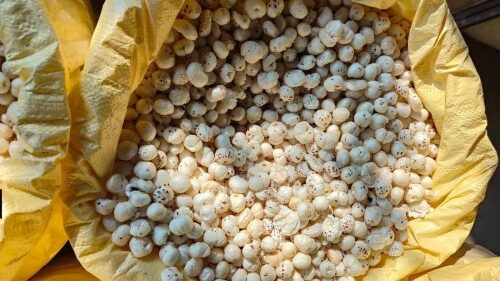
When the plant fully grows, flowers appear. These flowers naturally produce makhana seeds. After ripening, the seeds fall into the water. Workers collect the makhana by entering the pond.
How Are Makhana Seeds Prepared?
After farmers take makhana seeds out of the pond, they are not ready to eat.They go through several steps before becoming edible.
1. Cleaning and Drying
First, workers properly clean the makhana. Then they dry them in sunlight to remove moisture.
2. Roasting
Workers roast the dried makhana over high heat. This creates pressure inside the seeds.
3. Popping
Workers crack the roasted makhana using a wooden hammer or a machine. When cracked, the white edible part comes out. This is the makhana that we eat.
This whole process requires skill and experience. Experts consider makhana seed preparation a specialized skill.
The Growing Timeline: A Step-by-Step Look
Phase 1: Dormancy and Preparation (Winter: November – February)
The Makhana cycle begins in the winter. The seeds (or previous harvest remnants) lie dormant at the bottom of the pond. Farmers prepare the pond bed by clearing weeds and ensuring the water level is appropriate. However, active growth has not yet begun.
Phase 2: Germination and Seedling Stage (Spring: March – April)
As the water temperature begins to rise in early spring, the dormant seeds naturally start to germinate. This is the true start of the growth period.
- Germination: It takes approximately 25 to 30 days for the seeds to sprout after the temperatures rise.
- Seedling Growth: Once sprouted, the plant develops small, coiled leaves underwater. During these months, the plant is fragile and establishing its root system in the pond soil. By the end of April, the first floating leaves begin to appear on the water’s surface.
Phase 3: Vegetative Growth (Summer: May – June)
This is the phase where the plant establishes dominance. The giant, prickly lily pads spread across the surface of the water, requiring a lot of sunlight and space.
- Leaf Expansion: Throughout May and June, the plant focuses all its energy on growing massive leaves to aid in photosynthesis. The pond becomes a dense mat of greenery.
Phase 4: Flowering and Fruiting (Monsoon: July – September)
This is the most critical phase for the harvest. Once the plant is mature, it begins to flower.
- Flowering: The flowers bloom at night, and natural underwater pollination completes the process.
- Fruit Development: Once pollinated, the flower retracts underwater to form the fruit. It takes roughly 20 to 25 days for the fruit to mature into a berry-like pod filled with raw, black seeds.
- Harvesting Window: The seeds are ready for the first harvest approximately 130 to 150 days after germination. Farmers, often waist-deep in muddy water, manually feel for these pods and collect them.
Phase 5: The Transformation (Post-Harvest)
The timeline does not end with picking the fruit. Once collected, the seeds undergo a rigorous post-harvest process to become the edible makhana:
- Sun Drying: The collected seeds are washed and sun-dried for several days to reduce moisture.
- Storage and Curing: The dried seeds are often stored for a period to allow the starch inside to harden properly.
- Roasting: This is the final, magical step. The dried seeds are roasted in a specific sequence. Workers heat the seeds carefully in a hot pan. The heat turns the internal moisture into steam, which builds pressure. Eventually, the seed pops and transforms into the light, white fox nut ready for consumption
Summary of the Timeline (makhana seeds)
- Total Cultivation Time (Seed to Harvest): 7 to 8 months.
- Germination to First Harvest: 5 to 6 months.
- Post-Harvest Processing: 1 to 2 weeks.
Factors That Affect Growth
The timeline mentioned above is ideal. However, several factors can delay or accelerate the process:
- Water Temperature: Makhana seeds requires specific warm temperatures for germination. A late spring can delay the cycle.
- Water Level: Consistent water depth is crucial. Too much rain during monsoon can drown young plants, while too little can halt seed formation.
- Soil Quality: The pond bed must be rich in organic silt.
In conclusion, growing makhana is a testament to patience. From a dormant seed in winter to a popped snack on your plate, the journey takes the better part of a year, requiring the skill and dedication of farmers who work in some of the most challenging aquatic conditions.
Nutritional Value of Makhana Seeds
Makhana seeds contain many important nutrients, such as:
- Protein
- Fiber
- Calcium
- Magnesium
- Iron
- Low amount of fat
Because of these nutrients, makhana seeds are considered a healthy food option.
Benefits of Makhana Seeds
1. Helps in Weight Control makhana seeds
Makhana seeds are low in calories and fat, which helps in managing weight.
2. Good for Heart Health
Makhana seeds contain low sodium and good amounts of magnesium, which are helpful for heart health.
3. Good for Digestion
Makhana seeds contain fiber, which improves digestion.
4. Provides Energy
Eating makhana seeds gives quick energy and reduces tiredness.
Importance of Makhana Seeds in India
In India, makhana seeds are mainly grown in Bihar. Thousands of farmers in Bihar depend on makhana seeds farming for their livelihood.
Today, the demand for makhana seeds is increasing not only in India but also in other countries. That is why the makhana seeds business is growing rapidly.
Conclusion
Makhana seeds are natural, nutritious, and tasty seeds that grow in water. They take about 4–5 months to grow and require a lot of effort to prepare.
Because of their health benefits, makhana seeds have become popular among people of all age groups. If you want a light and healthy snack, makhana seeds can be a great choice.
In Which Districts of Bihar Are Makhana Seeds Grown?
The highest production of makhana seeds in India takes place in Bihar. The climate and large number of ponds make it suitable for makhana farming.
Major districts of Bihar where makhana seeds are grown:
- Darbhanga – A major center for makhana seeds production.
- Madhubani – Large-scale makhana seeds farming is done here.
- Supaul – Known for good makhana seeds production.
- Saharsa – Famous for makhana seeds cultivation.
- Katihar – Makhana seeds farming is also done here.
- Purnia – A major makhana-producing district.
- Araria – Known for makhana seeds farming.
- Kishanganj – Famous for makhana seeds cultivation in the Seemanchal region.
[…] you already including Fox Nut in your diet?Drop a comment and share your favorite […]